
Quality & Inspection
Backpack Development: Specs, Hardware, and the Load Tests Before Bulk
A backpack lives or dies at its stress points. The spec lines, hardware choices, and load tests that decide whether bulk production survives real use.
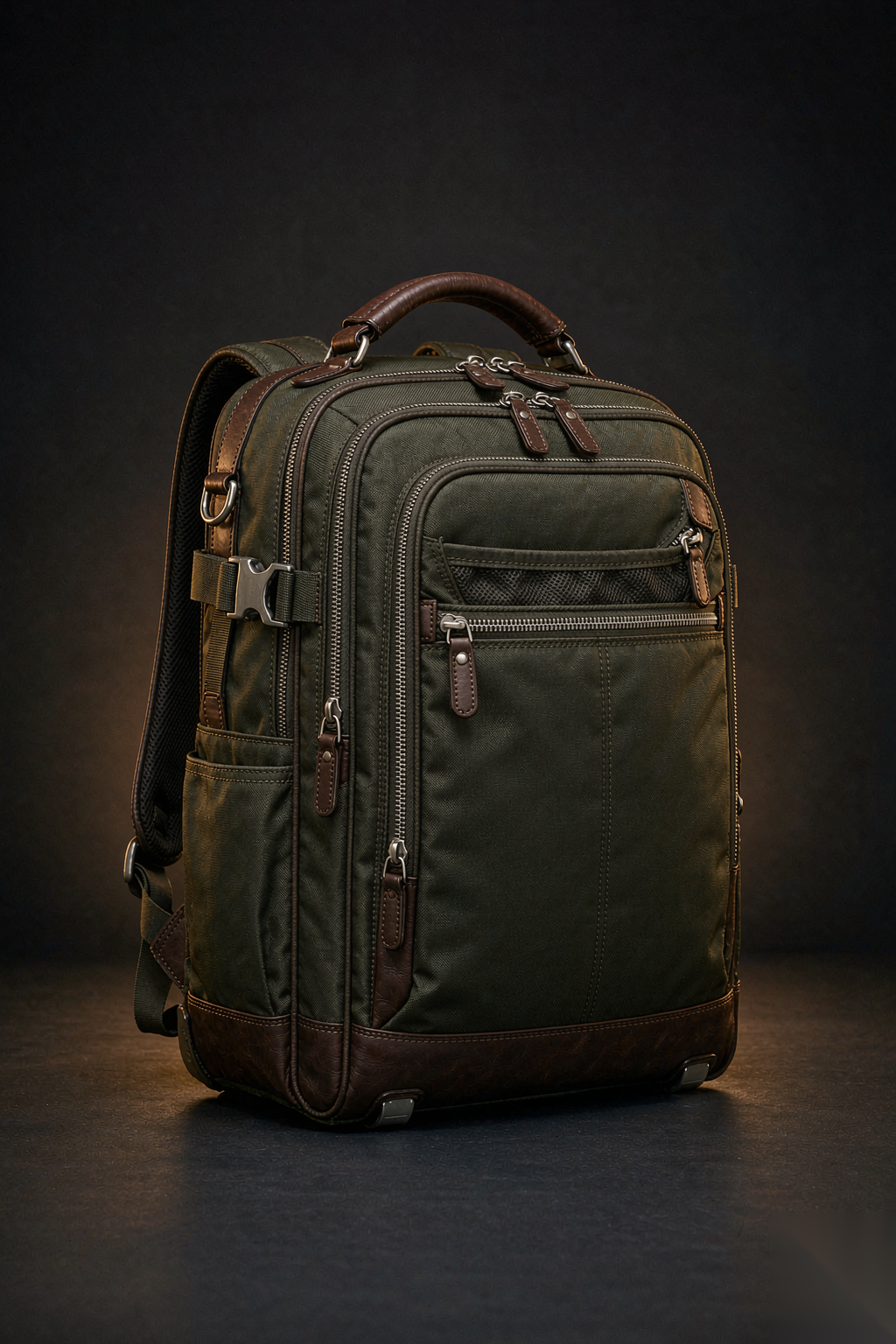
A backpack is a stress-distribution machine. Every design decision — strap width, back-panel structure, zipper placement, bar-tack count — either moves load comfortably through the bag or concentrates it until something fails. That is why backpack development punishes vague specifications harder than almost any soft good: the spec sheet you hand the factory is the load-bearing document, literally. Here are the spec lines, hardware decisions, and pre-bulk tests that separate packs that survive a school year from packs that split at the shoulder seam in week three.
The Five Spec Lines That Matter Most
When a factory prices a backpack, five lines of your spec sheet do most of the deciding:
Spec Line | What to Write | Why Factories Price It Hard |
|---|---|---|
Main fabric | Denier + coating, e.g. "600D polyester, PU-coated" | Denier drives weight, abrasion, and cost |
Lining | Weight and material, e.g. "210D nylon lining" | The first place cost quietly disappears |
Zipper spec | Brand-class, size, and coil type | The #1 function complaint in returns |
Webbing and straps | Width in mm + thickness | Carries the entire load; determines sewing time |
Bar-tack count | Exact points to reinforce | Labor cost; the difference between surviving and splitting |
Notice what is NOT on the list: the color, the logo placement, the pocket count. Those matter to your customer, but factories price them mechanically. The five lines above decide structural quality — and they are exactly the lines first-time brands leave vague.
Hardware: Where Small Decisions Compound
Backpack hardware is a system, and its parts fail together. Three decisions carry most of the weight:
Buckles and adjusters. Ladder-lock and side-release buckles look interchangeable and are not. The difference between a serviceable buckle and a brittle one shows up in cold weather and in the third month of daily flexing. Spec the buckle class explicitly and keep a reference sample of each — bulk hardware must match the sample, not "something similar."
Zippers. Main-compartment zippers take the most abuse in the whole bag. Coil zippers flex and self-repair better than molded tooth for most applications, but the real spec decision is the slider: a two-way slider on the main compartment is a small cost that users notice daily. Reinforce the zipper ends with bar-tacks or leather patches — the end of the zipper tape is the classic failure origin.
Compression and load straps. If the design has them, they need anchoring that wraps the bag's structural webbing, not just the face fabric. A compression strap sewn to the shell fabric alone will tear out under load — this is a sample-review check, not a bulk-surprise.
The Three Load Tests Before Bulk
A sample that looks finished can still fail in use. Before approving bulk, run the sample through three tests that take under an hour:
1. The loaded carry test. Fill the pack to its realistic working load — books, water bottles, whatever the design promises — and carry it for twenty minutes, including stairs. Feel for strap stretch, back-panel collapse, and any seam that starts to creak. Your shoulders find what the eyes missed.
2. The lift-and-hang test. Grab the pack by its top handle with a loaded weight and lift sharply, three or four times. The handle anchoring takes the entire load through a single point — this is the sharpest stress test in the bag, and it costs nothing.
3. The zipper cycling test. Open and close the main zipper twenty times fast, loaded. A slider that skips, sticks, or separates under load is the bulk-stage complaint you are preventing.
Each test maps to a spec line: the carry test validates webbing and bar-tacks, the hang test validates handle anchoring, the cycling test validates the zipper spec. Fail any one and the fix goes into the corrected sample — before bulk, where it costs a re-work, not a recall.
Our broader footwear quality control checklist covers the same discipline for shoes, and the logic transfers: quality is decided at the sample stage, verified in bulk, never both.
Why Backpacks Reward a Development Partner
Backpacks have one structural advantage over most soft goods: failures are predictable and testable. A development partner uses that. The spec sheet gets written once, correctly. The factory gets selected for the construction type — a volume nylon pack house, not a generalist. The sample round includes the three load tests as standard procedure, and the factory sees a QC checklist it will be held to before cutting starts.
That pipeline is how a backpack goes from sketch to shipment without the classic first-order failure: a beautiful sample, a vague spec, and a bulk run that only resembles the sample in color.
MOQs depend on the product and factory. Tell us what you need and we confirm what is realistic before you commit to anything. Backpack MOQs flex with fabric sourcing and hardware customization, which is knowable before you commit — from the factory floor, not a price list.
If you are checking the factory itself rather than the sample, our factory audit checklist covers the on-site visit, and our development process shows how spec, sampling, and QC connect for bags and footwear alike.
Frequently Asked Questions
What denier should my main fabric be?
It depends on the bag's job: 600D polyester is the volume workhorse for everyday packs, lighter 210D lines save weight at a durability cost, and 1000D-class fabrics suit work and travel packs that take abuse. Match denier to the load promise, not to the biggest number.
Do I need bar-tacks everywhere?
No — you need them at the points that carry load: strap anchors, handle roots, and zipper ends. Bar-tacking is labor cost; scattering it across decorative points inflates price without adding strength where it counts.
Can the factory add my logo after sampling?
Branding application is normal between sample approval and bulk — printed logos especially. Embroidery and molded hardware need earlier decisions because they affect material cutting. Either way, lock the artwork with the corrected sample.
What is the most common backpack failure?
Zipper sliders and strap anchors, in that order. Both trace back to spec lines that were left vague at quotation and never tested on the sample. The three load tests above exist to catch exactly those two.
The Takeaway
Backpack development is load engineering written down. Five spec lines decide the structure, three hardware decisions compound into daily experience, and three load tests on the sample predict bulk quality better than any certificate. Write the spec, test the sample, and the bulk run becomes a formality instead of a gamble.
