
Quality & Inspection
Anti-Theft and Water-Resistant Coatings: The Fabric Treatments That Add Value
Fabric coatings turn good bags into great ones — or ruin the hand feel. The treatment families for water resistance, stain defense, and their real-world behavior.
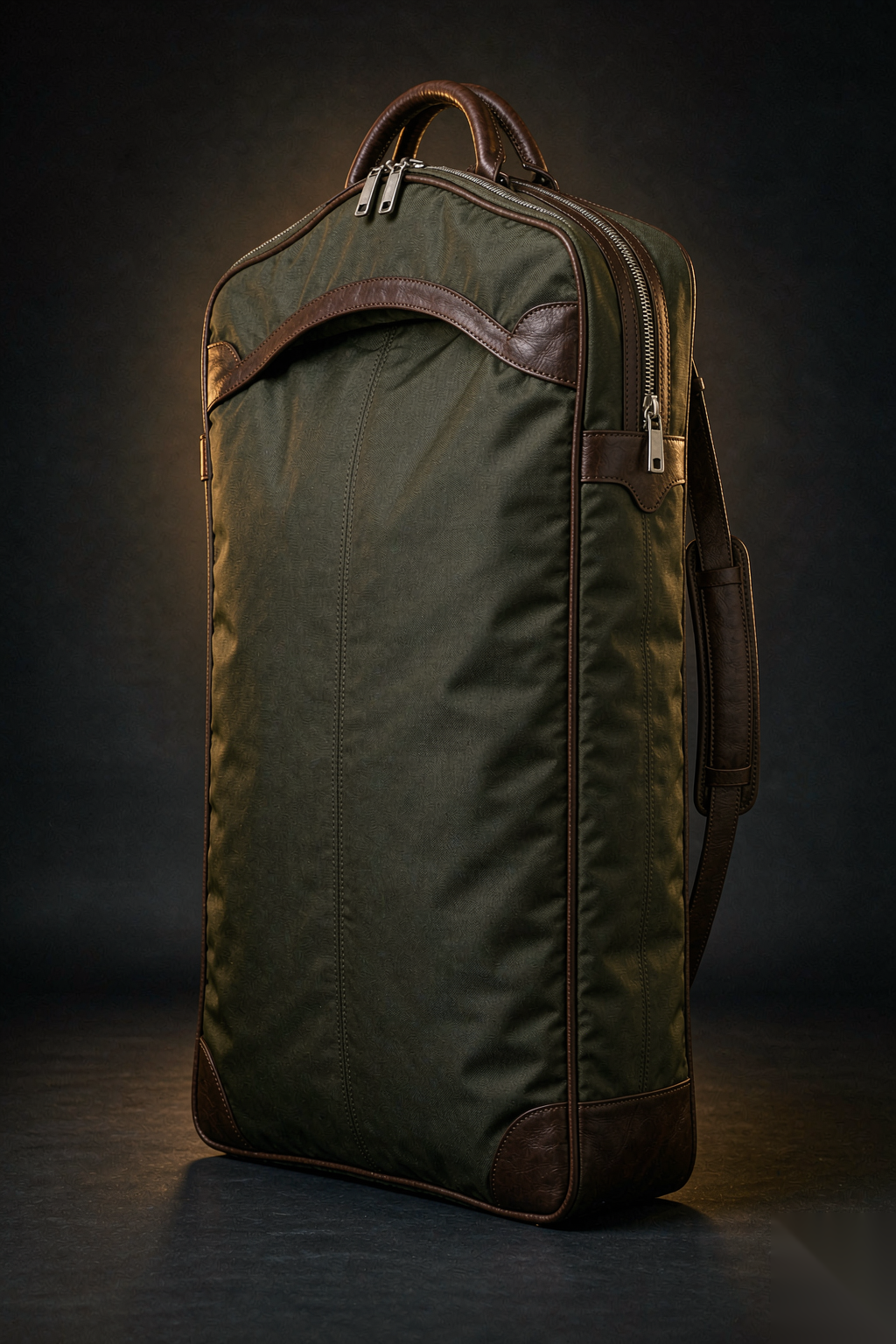
The fabric a bag uses is only half the material story — the coating or treatment on that fabric is the other half, and it is where the bag's relationship with weather, stains, and daily handling gets decided. Water-resistant coatings, stain-defense treatments, and the newer eco-friendly alternatives each behave differently at the development stage and in the wash. Fabric coatings for bags are a quality layer that either adds value invisibly or announces itself as a problem at the first rainstorm. Here is the treatment landscape and how to specify it.
Why Coatings Matter More Than Fabric Choice
Two bags in the same fabric class behave completely differently depending on the coating. An uncoated canvas tote absorbs a spilled latte permanently; a PU-coated canvas tote wipes it off. A raw rPET shell resists water naturally; a DWR-treated rPET shrugs off rain. The coating is the functional layer that turns a fabric's theoretical properties into real-world behavior — and it is the layer most first-time buyers never spec.
The Coating Families
Treatment | How It Works | What It Adds | The Trade |
|---|---|---|---|
PU (polyurethane) coating | Layer bonded to the fabric face | Water resistance, wipeability, structure | Adds stiffness; can crack at fold points over years |
DWR (durable water repellent) | Surface treatment causing beading | Rain shedding without stiffness | Wears with washing; needs reapplication |
PVC-free laminate | Full film bonded to fabric | Complete waterproofing | Heaviest; changes hand feel dramatically |
Stain-repellent (fluorocarbon-free) | Molecular surface treatment | Liquid and oil beading | Breathability reduced; wash durability varies |
Antimicrobial | Ion-based treatment | Odor and bacteria control | Durability through washes varies by chemistry |
PU Coating: The Workhorse
PU coating is the bag industry's most common treatment, and for good reason: it delivers water resistance and wipeability at a low cost, and it adds just enough body to change the fabric's behavior. The development decisions:
Coating weight. Measured in grams per square meter — heavier coatings add stiffness and waterproofing but reduce the fabric's drape. The coating weight is a spec line, not a default.
Which face. Interior coating (the standard) gives wipeability and structure without changing the outer appearance. Exterior coating changes the look entirely.
Cold-crack rating. Cheap PU coatings crack in cold weather — a real concern for bags used outdoors in winter. The cold-crack temperature is a spec line for any bag that ships to cold markets.
The wear pattern: PU coatings degrade at fold points over years of flexing — the coating whitens and eventually cracks. This is normal aging, not a defect, but it should be tested on the sample by flexing the coated fabric fifty times and inspecting the fold line.
DWR: The Surface Treatment That Washes Away
DWR treatments cause water to bead and roll off the fabric's surface without adding a layer. They are the standard treatment for bags whose aesthetic cannot tolerate a PU coating's stiffness — canvas heritage bags, soft nylon packs, and any bag where the fabric's natural hand feel is the design.
The honest limitation: DWR wears. Every wash cycle, every abrasion, and every month of use reduces the beading effect. The treatment is re-appliable (spray-on DWR products exist for consumers), but the brand's specification should set the expectation: DWR is a performance feature with a maintenance cycle, not a permanent property.
MOQs depend on the product and factory. Tell us what you need and we confirm what is realistic before you commit to anything. DWR and PU coatings each carry fabric minimums and treatment-lot realities — knowable from the factory before you commit.
Testing Coatings at the Sample Stage
The coating's behavior is testable in minutes on the sample, and each test maps to a real-world moment:
1. The water test. Sprinkle water on the treated face — beading (DWR) or wiping (PU) confirms the treatment is present and functional.
2. The stain test. Drop cooking oil or coffee on the surface, wait five minutes, wipe. The stain behavior you see is the customer's stain behavior.
3. The flex test. Fold the coated fabric fifty times sharply and inspect the fold line — cracking here predicts cold-weather failure.
4. The wash test. Wash the coated sample once per the care instructions and re-test the water behavior — the first wash reveals the treatment's durability.
Each test maps to the coating spec: the water test validates DWR, the flex test validates PU, and the wash test validates both. Fail any one and the coating spec goes back to the factory with the sample — before bulk, where the fix costs a treatment adjustment, not a product recall.
Frequently Asked Questions
Does a PU coating make a bag waterproof?
Water-resistant, not waterproof. PU coating resists water penetration but seams, zippers, and stitching remain entry points. For true waterproofing, the construction needs taped seams and waterproof zippers — a different product category.
How long does DWR last?
It depends on use and washing — typically through five to ten wash cycles before beading weakens visibly. Consumer spray-on DWR restores it. The spec should state the expected wash count before reapplication.
Are fluorocarbon-free DWRs as effective?
The newer fluorocarbon-free chemistries perform well for water beading, though some sacrifice oil repellency. For bags (where oil repellency matters less than for outerwear), fluorocarbon-free DWR is a viable and more sustainable choice.
Can coatings be added after production?
Re-application at consumer level works for DWR sprays. PU coating and laminates cannot be retrofitted — they are bonded at the fabric mill. This is why the coating spec belongs in the development brief, not the QC checklist.
The Takeaway
Fabric coatings are the invisible quality layer that decides how the bag meets weather, stains, and daily handling. PU for wipeability and structure, DWR for rain shedding without stiffness, and the sample-stage tests that confirm both. Spec the coating like the fabric — by name, by weight, by test — and the bag's performance will match its design.
