
Quality & Inspection
Bag Hardware 101: Zippers, Buckles, and Metal Finishes That Define Quality
Buyers judge a bag by its hardware before the fabric. The zipper classes, buckle types, and metal finishes that define bag quality — and how to spec them.
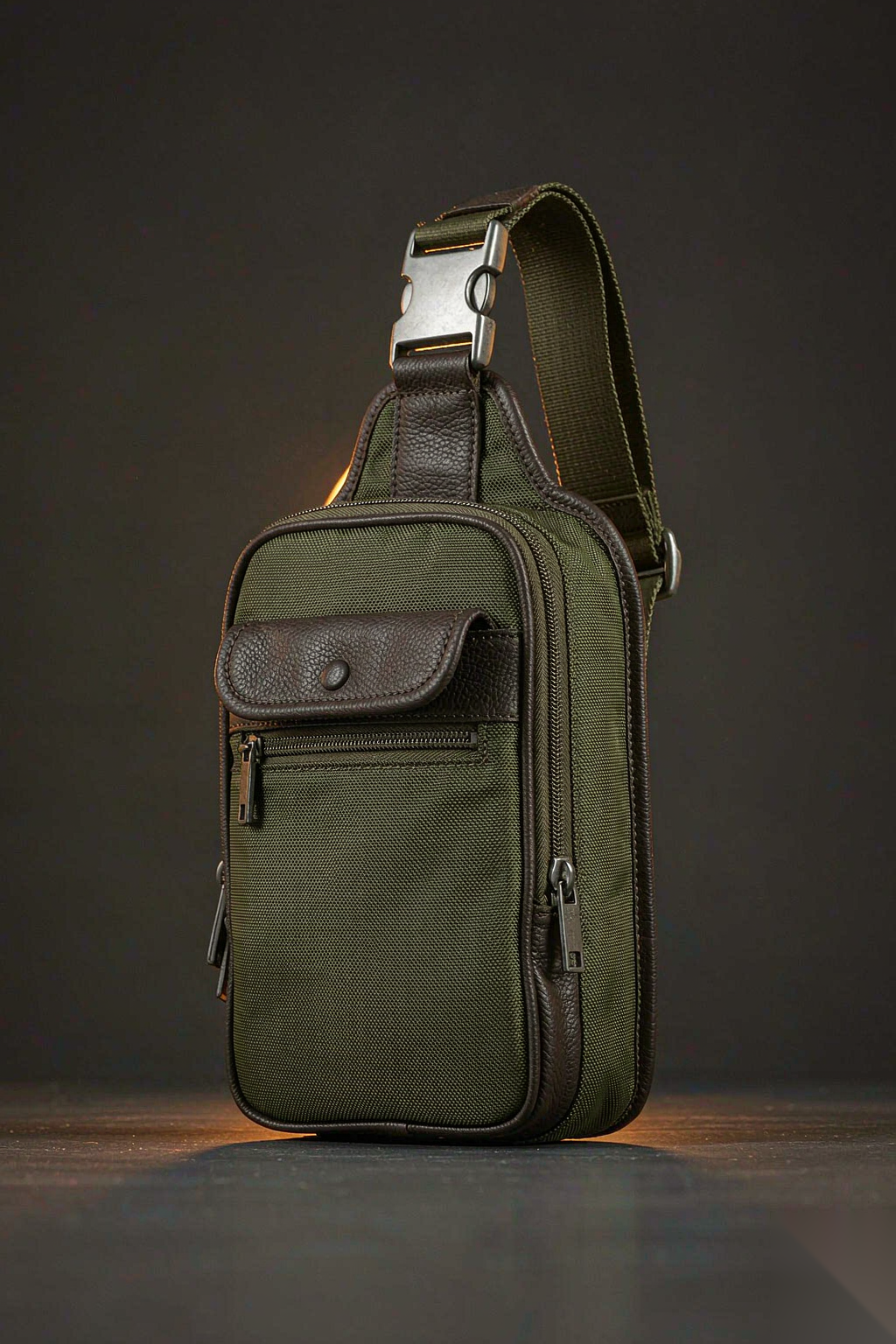
Pick up any bag and run your hand along it before opening it. You will judge the hardware first — the zipper pull's weight, the buckle's click, the finish on the D-ring. Buyers do this unconsciously, which is why hardware is the fastest way to make a mid-price bag feel premium and the fastest way to make a premium bag feel cheap. Bag hardware quality comes from three decisions: the zipper class, the buckle family, and the metal finish. Here is how to specify all three.
Zippers: The Class System
Zipper specifications run deeper than "good zipper." The classes a bag developer actually chooses between:
Class | Construction | Reads As | Best For |
|---|---|---|---|
Coil (nylon) | Spiral teeth sewn to tape | Smooth, modern, flexible | Backpacks, totes, daily bags |
Molded tooth (Vislon-type) | Plastic teeth molded to tape | Rugged, outdoor | Duffels, travel, work bags |
Metal (brass/aluminum) | Individual metal teeth | Heritage, premium, weighty | Briefcases, leather goods |
Water-resistant coil | Coil with PU laminate | Technical, sealed | Outdoor and commuter lines |
Two spec lines matter as much as the class: the slider (the part that fails first — auto-lock sliders on main compartments prevent the classic self-opening complaint) and the pull (the part buyers touch a hundred times a day — a weighted metal pull on a coil zipper is the cheapest premium signal in the industry).
The failure points to check at sample review: zipper ends (tape tears out of the stitching — needs bar-tacks or stops), the slider's retention under side load, and coil separation under pressure. All three are testable in a minute on the sample, before bulk makes them a recall.
Buckles: The Families and Their Failure Modes
Buckles divide into three working families, each with a characteristic failure:
Side-release (split) buckles. The click-closure standard on backpacks and travel bags. The failure mode is brittle plastic in cold weather — spec the resin class, and keep a reference sample: bulk hardware must click identically to the approved one.
Ladder-lock and tri-glide adjusters. The strap-length system. The failure mode is strap slippage under load — the webbing thickness and the adjuster's tooth pattern have to match, which is why they are specified together.
Hooks, D-rings, and swivel snaps. The attachment hardware. The failure mode is the seam around them — a D-ring is only as strong as the box-tack behind it.
The rule that holds across all three: hardware is a system with the webbing, not an accessory. Spec them as a pair — buckle class plus webbing weight — and the sample review becomes predictable.
Metal Finishes: The Quiet Premium Signal
On bags with visible metal — zipper pulls, feet, rings, logo plates — the finish carries the perceived quality. The common finish families:
Brushed gunmetal. The modern default: dark, matte, scratch-tolerant. Reads technical and premium.
Polished brass / antique brass. The heritage signal: warm, ages visibly, pairs with brown leather and canvas. The finish of choice for heritage-style lines.
Nickel / chrome. Bright, formal, shows scratches. Suits structured business bags.
Painted / e-coated. Color-matched to the fabric — a strong design tool, but the coating wears at contact points; spec the coating class for high-touch parts.
One development rule: pick ONE finish per bag (two at most) and hold it across every metal part. Mixed finishes read as cost-cutting faster than any single cheap finish does. Our heritage luggage collection demonstrates the one-finish discipline across fourteen pieces.
How to Spec Hardware Without Getting Lost
The hardware spec fits in four lines on a one-page sheet:
1. Zipper: class + size + slider type + pull style, per compartment
2. Buckles: family + resin class + size, per application
3. Metal parts: finish + base material, with a plated reference photo
4. References: physical samples of each hardware piece, taped to the spec sheet
Factories quote hardware honestly when the spec names classes and shows references. "Good zipper" gets you their default; "coil, size 8, auto-lock slider, metal weighted pull" gets you a price and a part you can hold the factory to. The same logic applies to verifying the factory itself — our supplier verification guide covers the document checks, and hardware samples are the physical layer of the same discipline.
MOQs depend on the product and factory. Tell us what you need and we confirm what is realistic before you commit to anything. Hardware customization — custom-molded pulls, logo-engraved plates — carries its own tooling minimums, knowable before you commit.
Frequently Asked Questions
What fails first on bag hardware?
The zipper slider, then the buckle's plastic body, then the finish on high-contact metal parts. All three are sample-stage testable: cycle the zipper twenty times, click the buckle ten times, and look for finish wear on the pull.
Is branded hardware necessary for a premium bag?
Branded (logo-engraved) hardware is a branding choice, not a quality one. Unbranded hardware of the right class and finish reads premium; branded hardware of the wrong class reads as marketing on a weak base.
Can hardware be changed after sampling?
Yes — hardware swaps between sample and bulk are routine, as long as the sewing pattern does not change. But the new hardware must go through the same reference-sample discipline: approve it physically, not from a photo.
Why does my zipper pull finish wear off?
Painted and electroplated finishes wear at contact points by design. For high-touch pulls, spec through-color metal (brushed, brass) or a harder coating class — or accept the patina as part of the design.
The Takeaway
Bag hardware quality is three decisions written down: zipper class with slider, buckle family with webbing, and one metal finish held across every part. Spec them with physical references, test them on the sample, and the hardware will carry the bag's quality perception exactly as far as you planned.
