
Sourcing Guides
The Bag Production Timeline: From Approved Sample to Shipped Cartons
A bag order passes through cutting, sewing, finishing, and inspection — each with its own clock. What the bag production timeline actually looks like stage by stage.
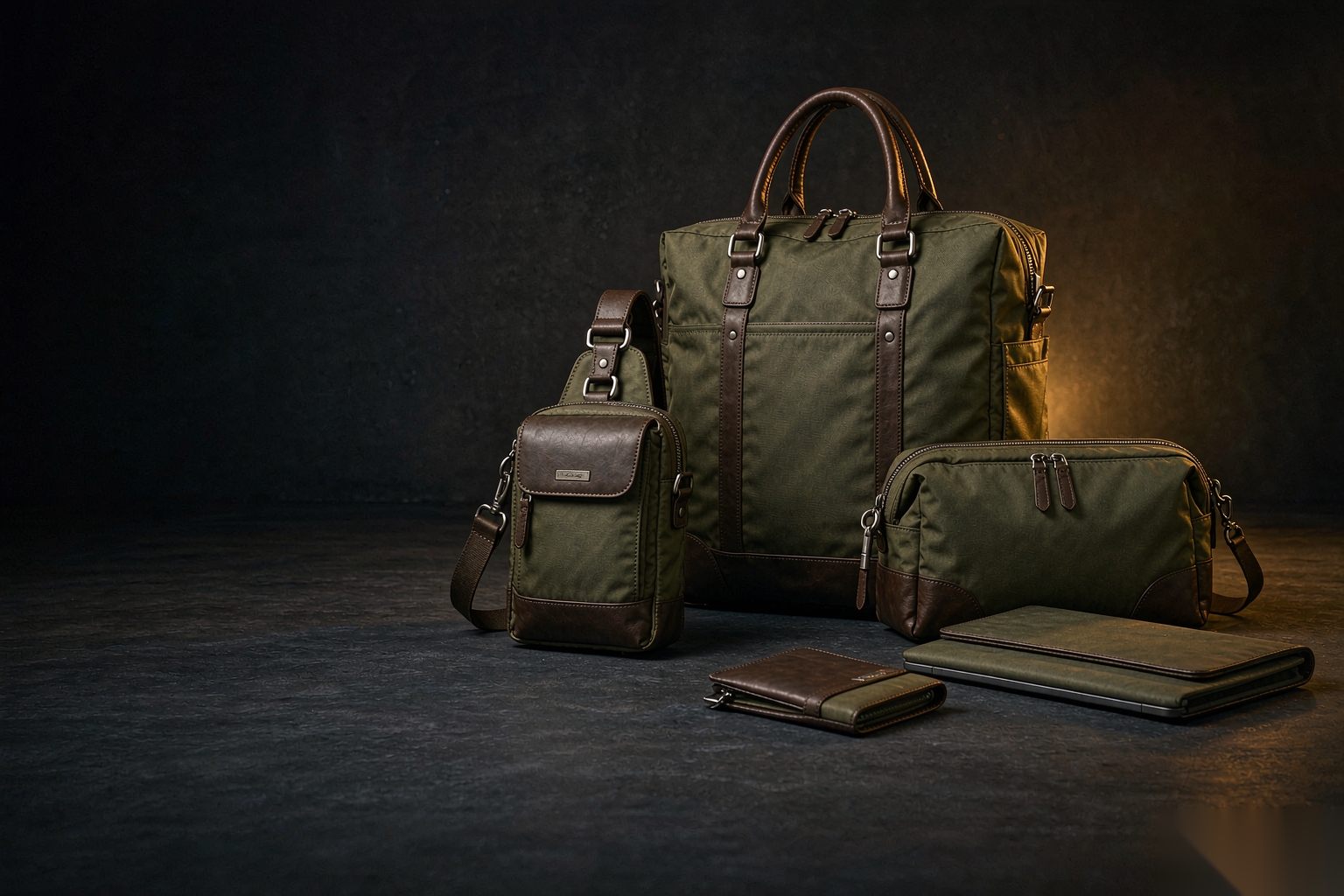
Ask a factory how long bag production takes and you will usually hear one number. That number answers a narrower question than the one you asked — it typically covers sewing only, starting from materials that are already in the building. The real bag production timeline has four stages with four different clocks, and brands that understand each stage plan launches that hold. Here is the timeline, stage by stage, with the variables that move each clock.
Stage Zero: Materials Procurement — The Clock Nobody Counts
Before cutting starts, everything the bag needs must be in the factory: shell fabric, lining, webbing, zippers, buckles, thread, labels, and packaging. Each has its own procurement clock:
Stock fabrics and hardware — days, if the specification uses what the factory already sources.
Custom-dyed fabric — the dye lot clock, typically weeks depending on the mill and the season.
Custom hardware — molded parts carry tooling time; even logo-engraved pulls add a procurement interval.
The spec sheet you wrote at development determines this stage's length. A spec built on the factory's proven materials compresses Stage Zero to nearly nothing; a spec demanding custom everything adds weeks before a single panel is cut. This is the quiet argument for first programs on proven materials — the same logic our Quanzhou bag sourcing guide applies when matching factories to programs.
Stage One: Cutting — Precision Before Speed
Cutting converts fabric rolls into panels. The stage's clock is driven by two variables: the number of panels per bag (a tote has six; a backpack can have forty) and the cutting method (manual shears, die-cutting, or CNC). Cutting is also where quality discipline shows: pattern alignment on prints, panel orientation on napped fabrics, and fabric utilization all happen here.
For planning: cutting a mid-complexity bag run takes a fraction of the sewing time, but it must finish before sewing can run continuously — the stages overlap, and the factory's schedule depends on it.
Stage Two: Sewing — The Longest Clock
Sewing is the bulk of the bag production timeline and the stage where labor reality sets in. The clock drivers:
Variable | Impact |
|---|---|
Panel count per bag | More panels = more operations per unit |
Reinforcement density | Bar-tacks and box-tacks are slow, deliberate stitches |
Hardware installation | Each buckle, ring, and zipper stop is a separate operation |
Lining | A lined bag roughly doubles the sewing operations |
Sewing runs in lines, and the lines move at the pace of their slowest operation. A development partner who has priced the sewing honestly will tell you which design features slow the line — and which ones the factory's team is fast at. That conversation, held before sampling, is worth more than any discount negotiation afterward.
Stage Three: Finishing and Packing — The Details Stage
After sewing: thread trims, turning, edge cleaning, hardware function checks, logo verification, and packing into polybags and cartons. Finishing is short in hours but dense in detail — and it is where carton markings, packing lists, and the carton count per box get locked for shipping.
Stage Four: Final Inspection — The Gate
The last stage before shipment: a final inspection against the approved sample and the packing list. Function-test the zippers, weigh against the reference, verify carton counts and markings. The inspection's clock is short; the rework it triggers is not — which is why in-line checks during sewing matter more than the final gate.
For the sampling stage that precedes all of this, our guide to backpack development specs covers the load tests a sample must pass, and our development pipeline manages all four stages — plus the material procurement that starts the clock — as one coordinated schedule.
Frequently Asked Questions
Does the bag production timeline include shipping?
Production and shipping are separate clocks. Production ends at packed cartons in the factory; ocean freight, customs, and delivery run on their own schedule — plan both when you back-calculate from a launch date.
What moves a sewing timeline the most?
Reinforcement density and lining. A lined bag with heavy bar-tacking takes noticeably longer per unit than an unlined simple tote — the design stage sets this clock before the factory ever quotes.
Can stages overlap?
Yes — cutting feeds sewing continuously, and finishing follows the sewing output. The factory schedules the overlap; your spec sheet determines how cleanly the stages can flow.
What should I confirm before production starts?
The approved sample, the packing spec, the carton marking, and the inspection standard — in writing. All four are cheap to confirm before cutting and expensive to dispute after packing.
The Takeaway
The bag production timeline is four clocks: procurement, cutting, sewing, and finishing with inspection. The spec sheet you write at development sets the first two; the factory's line discipline sets the third; and the sample standard sets what the fourth accepts. Plan the whole board, and the launch date holds.
