
Quality & Inspection
The 12-Point Bag Sample Review: What to Check Before Approving Bulk Production
A structured sample review catches problems before bulk makes them permanent. The 12-point checklist that professional buyers use — from spec match to packaging trial.
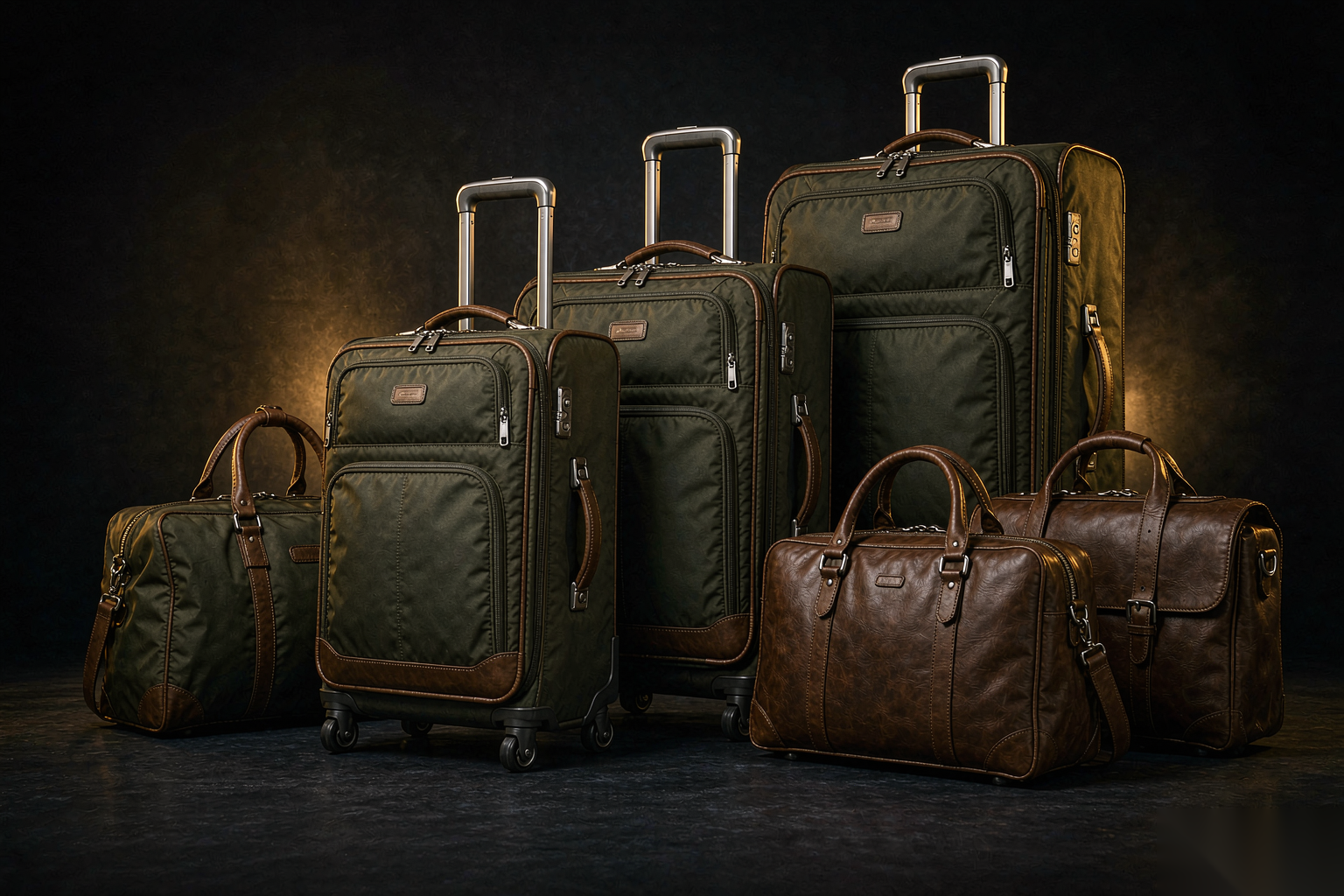
The sample review is the most consequential ten minutes in a bag brand's production cycle. Everything downstream — bulk materials, production scheduling, the golden sample that arbitrates every factory dispute — flows from what you approve. Approve a flawed sample and you have ordered a flawed bag at scale. Yet most first-time brand owners turn the sample over, admire the color, and say yes. This 12-point checklist gives you the review that professionals run — in the order they run it.
Before Starting
Review the sample as a pair (if applicable), on a clean table with good light, and wear or load it — indoors, for at least fifteen minutes. Photos hide what hands find.
The 12-Point Checklist
# | Check | What to Look For | Red Flag |
|---|---|---|---|
1 | Spec sheet match | Measure against your tech pack: dimensions, weight, capacity | Deviation >5% without written agreement |
2 | Pair symmetry | Compare left to right: panel heights, shapes, color | Asymmetry visible at arm's length |
3 | Material | Confirm fabric, lining, and trim match approved swatches | Material substitution without written approval |
4 | Stitching | Density (3-5 per cm), straight lines, bar-tacks at stress points | Skipped stitches, loose tension, missing bar-tacks |
5 | Bonding | Glue lines at overlays and sole/base junction | Glue bleed, wavering lines, lifting edges |
6 | Load test | Fill to design weight, carry 15 minutes | Strap stretch, back-panel collapse, seam creaking |
7 | Zipper function | Cycle 20 times loaded, check both directions | Skipping, sticking, separation under load |
8 | Hardware | All buckles, rings, pulls: function, finish, matching | Mismatched finish, stiff buckles, bent rings |
9 | Color under light | Check under daylight and warm indoor light | Color shifts between light sources |
10 | Interior | Seams finished, no raw edges, lining secure | Loose lining, exposed foam, raw fabric edges |
11 | Weight | Weigh and compare to spec | >5% deviation means material substitution somewhere |
12 | Packaging trial | Fold into the intended box with tissue | Crush points, overhang, or a box that needs force |
How to Run the Review
Each check produces one of two outputs: pass or finding. Findings split into two classes:
Must-fix before bulk. Anything affecting fit, durability, function, or brand presentation. These require a corrected sample or a dated written confirmation from the factory.
Accepted as-is. Character items you consciously approve — the natural leather grain variation, the handmade seam that is straight but not machine-perfect.
Both lists go to the factory in writing. The corrected sample (or the written confirmation for non-physical fixes) must be received before bulk production starts. Whatever the approved sample contains, you have ordered a thousand copies of.
The Golden Sample: The Reference That Arbitrates
The corrected sample, once both parties agree it is correct, becomes the golden sample — the reference object for the entire production run. The golden sample:
Is sealed (signed, dated, or tagged by both parties)
Is stored safely (not used, not displayed)
Is the only reference for bulk QC disputes
When a bulk shipment arrives and the quality is disputed, the golden sample is shown to the factory: "this is what we agreed to, and this is what you delivered." Without a golden sample, disputes become your word against the production line's.
The Common First-Timer Mistakes
Three patterns account for most sample-stage regret:
1. Approving on beauty, not build. The colorway photographs well and the review stops there. The stitching density and the anchor reinforcement — the things that decide whether the bag survives its first month — are skipped.
2. Accepting "bulk will be better." It never is. Bulk reproduces the approved sample at scale, with more hands and less attention per piece.
3. Reviewing one sample when the order is a pair or set. Asymmetry between pieces is a pattern-cutting signal. Always review the complete set.
The Factory Conversation: How to Communicate Findings
The findings list goes to the factory in the same language the sample speaks: numbered, specific, and tied to the 12-point checklist. "The handle anchor bar-tack is missing" is actionable. "The handle feels cheap" is not.
A development partner manages this communication — translating your findings into the factory's technical language, verifying the corrections, and managing the correction loop so the calendar doesn't lose a month. Our development process covers how this works.
MOQs depend on the product and factory. Tell us what you need and we confirm what is realistic before you commit to anything. The number of correction rounds depends on the bag's complexity — knowable before you start, from the factory floor.
Frequently Asked Questions
How many sample rounds should I expect?
Two for a new style on an existing construction. Three if the construction is new or the design is complex. More than three usually means the spec was incomplete at the start.
Should I approve the sample if only packaging is wrong?
Packaging is a must-fix item — but it is fixable with written confirmation and a photo trial, not a full new sample round. Distinguish fixes that need physical re-sampling from those a factory can correct and document.
What if the factory says the issue is "normal for handmade bags"?
Some variation is genuinely normal. The test: does it affect fit, durability, or brand presentation? If yes, it belongs in must-fix regardless of whether it is "normal." Your golden sample defines your standard.
The Takeaway
A structured sample review converts your judgment into a document the factory can execute against. Twelve checks, two finding classes, one golden sample — and the bulk run becomes a formality instead of a gamble. The ten minutes you spend on this checklist is the cheapest quality control you will ever buy.
