
Quality & Inspection
Bag Stitching and Seam Construction: The Stitches That Hold Everything Together
A bag's strength lives in its seams. The stitch types, seam constructions, and reinforcement techniques that separate durable bags from disposable ones.
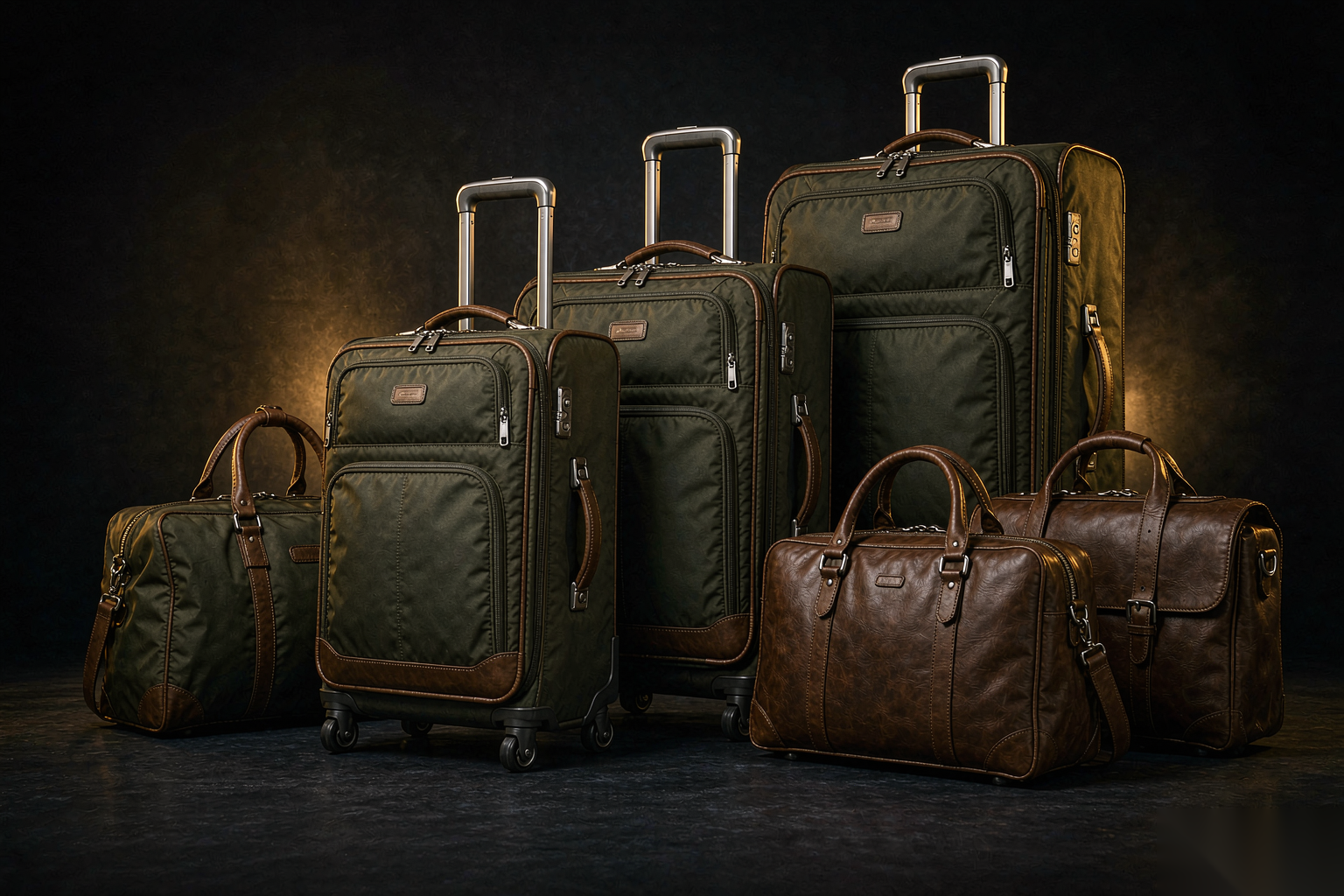
A bag's fabric is its skin; its seams are its skeleton. Every stress point, every load path, every failure waiting to happen — they all trace back to the stitching. Bag stitching and seam construction is the QC discipline that separates bags that survive three years of daily use from bags that split at the first overloaded carry. Here are the stitch types, seam constructions, and reinforcement techniques that a buyer needs to know — and how to check them at the sample review.
The Stitch Types: What Each One Does
Commercial bag sewing uses three fundamental stitch types, each with a different strength profile:
Stitch Type | How It Works | Strength | Best For |
|---|---|---|---|
Lockstitch (301) | Two threads interlock in the fabric | Strong, but breaks if one thread breaks | Standard seams, top-stitching, detail work |
Chainstitch (401) | One needle thread + one looper thread, interlooped | Stronger than lockstitch; if one thread breaks, the seam can unravel | Long structural seams, side seams, joining panels |
Bar-tack (reinforcement) | Dense zigzag cluster (28-42 stitches) in a small area | Maximum strength at a single point | Stress points: strap anchors, handle roots, zipper ends |
The development rule: chainstitch for long structural seams (it distributes stress along the seam rather than concentrating it at each stitch), lockstitch for detail work (it does not unravel if a thread breaks), and bar-tacks at every stress point (they are the last line of defense at anchor points).
A bag that uses lockstitch for its main structural seams is a bag built for cost, not for durability. The QC check: pull the seam apart gently at a joint — a chainstitch will flex and distribute; a lockstitch will show individual stitch tension.
The Seam Constructions: How Panels Join
The stitch type is the thread; the seam construction is how the fabric panels join. The four constructions that matter:
1. Plain seam. Two fabric edges sewn face-to-face, then pressed open. The simplest join — adequate for non-stress areas like pocket tops.
2. French seam. The raw edges are enclosed within the seam itself — clean inside and out, with double the thread. The standard for bags where the interior is visible (totes, organizers).
3. Bound seam. The raw edges are covered with bias tape or webbing. The strongest edge finish for bags that take abrasion along the seam line.
4. Flat-felled seam. Two panels interlock and are stitched twice — the strongest seam construction, used in jeans and heavy-duty bags. It is also the slowest to sew, which makes it a premium feature.
The QC check for each: pull the seam apart at a joint and look inside. A French seam should show no raw edges; a bound seam should show the binding wrapping the edge completely; a flat-felled seam should show two parallel stitch lines with no gap.
The Reinforcement Techniques: Where Bags Are Built to Last
Three reinforcement techniques upgrade a bag from functional to durable:
Bar-tacks. Dense stitch clusters at stress points: strap anchors, handle roots, zipper ends, pocket corners. The bar-tack count (28-42 stitches) and the thread weight determine the strength. A missing bar-tack at a strap anchor is the most common cause of handle failure.
Box-and-X stitching. A square of stitching with an X across it — used at anchor points where the stress is multidirectional. The X distributes diagonal loads that a straight bar-tack might miss.
Webbing wrap-through. Instead of sewing webbing to the face of the fabric, the webbing wraps through a slot or around a bar, creating a mechanical connection that does not depend on thread strength alone.
Each technique is visible on the sample. The QC check: count the bar-tacks at each stress point (the spec should state the count), verify the box-and-X pattern at handle anchors, and trace the webbing path to confirm the wrap-through construction.
The Thread Spec: The Detail Nobody Asks About
Thread is the bag's connective tissue — and its quality determines whether the seams hold. The spec:
Thread weight. Measured in Tex (grams per 1,000 meters). Heavy-duty bags use Tex 40-70; lightweight bags Tex 30-40. A thread that is too thin breaks under stress regardless of stitch count.
Thread material. Polyester thread resists UV and moisture better than cotton; nylon thread is stronger but degrades in UV. The thread material should match or exceed the fabric's durability.
Stitch density. Measured in stitches per centimeter (SPC). Standard density is 3-4 SPC; heavy-duty applications use 4-5 SPC. Too few stitches weaken the seam; too many perforate the fabric.
The thread spec is a three-line addition to the tech pack that prevents the most common seam failure: thread that breaks before the fabric does.
MOQs depend on the product and factory. Tell us what you need and we confirm what is realistic before you commit to anything. Stitching and reinforcement are labor costs — knowable from the factory before you commit, from the spec sheet rather than from a failure report.
The QC Checklist: What to Check at the Sample Review
The sample review's stitching section, in order:
1. Count the bar-tacks at every stress point — compare against the spec.
2. Pull the main seams apart gently — chainstitch should flex, not gap.
3. Check the French seams and bound seams for raw edges.
4. Verify the thread weight (the stitches should not snap when pulled firmly by hand).
5. Check the stitch density (too few = weak seam; too many = perforated fabric).
6. Trace the webbing wrap-through at anchor points.
7. Look for skipped stitches, loose tension, and thread breaks anywhere on the bag.
Seven checks, two minutes. The bag that passes all seven will outlast the brand's marketing campaign — and the bag that fails any one will generate a complaint before the first month ends.
Frequently Asked Questions
Why does my bag's seam unravel?
A chainstitch seam unravels when the looper thread breaks — typically at a point where the thread was weakened by excessive tension or by a dull needle perforating the thread. The fix: check the thread quality and the needle condition at the factory.
What is the strongest seam construction?
Flat-felled seam with chainstitch and bar-tacks at the ends. It is also the most expensive and slowest to sew. For most bags, a French seam with chainstitch and bar-tacks at stress points is sufficient.
How do I check thread quality on a sample?
Pull a thread end firmly — good polyester thread resists breaking and springs back. Cut a section and stretch it — polyester stretches slightly before breaking. Cotton thread snaps without stretching. The thread should match the fabric's expected life.
Is more stitching always better?
No. Too many stitches perforate the fabric and create a tear line. The stitch density and the reinforcement placement should follow the stress map — concentrated at anchors, moderate along seams, absent from areas that flex.
The Takeaway
Bag stitching and seam construction is the QC discipline that predicts the product's lifespan. Three stitch types, four seam constructions, and three reinforcement techniques — specified in the tech pack, checked at the sample review, and verified at bulk. The bag that gets its stitching right is the bag that builds a brand's reputation for durability.
