
Industry Insights
How to Build a Bag Brand on Alibaba: What Works and What Doesn't
Alibaba is the world's largest B2B platform — and the most misunderstood sourcing channel for bag brands. What works, what doesn't, and how to use it without getting burned.
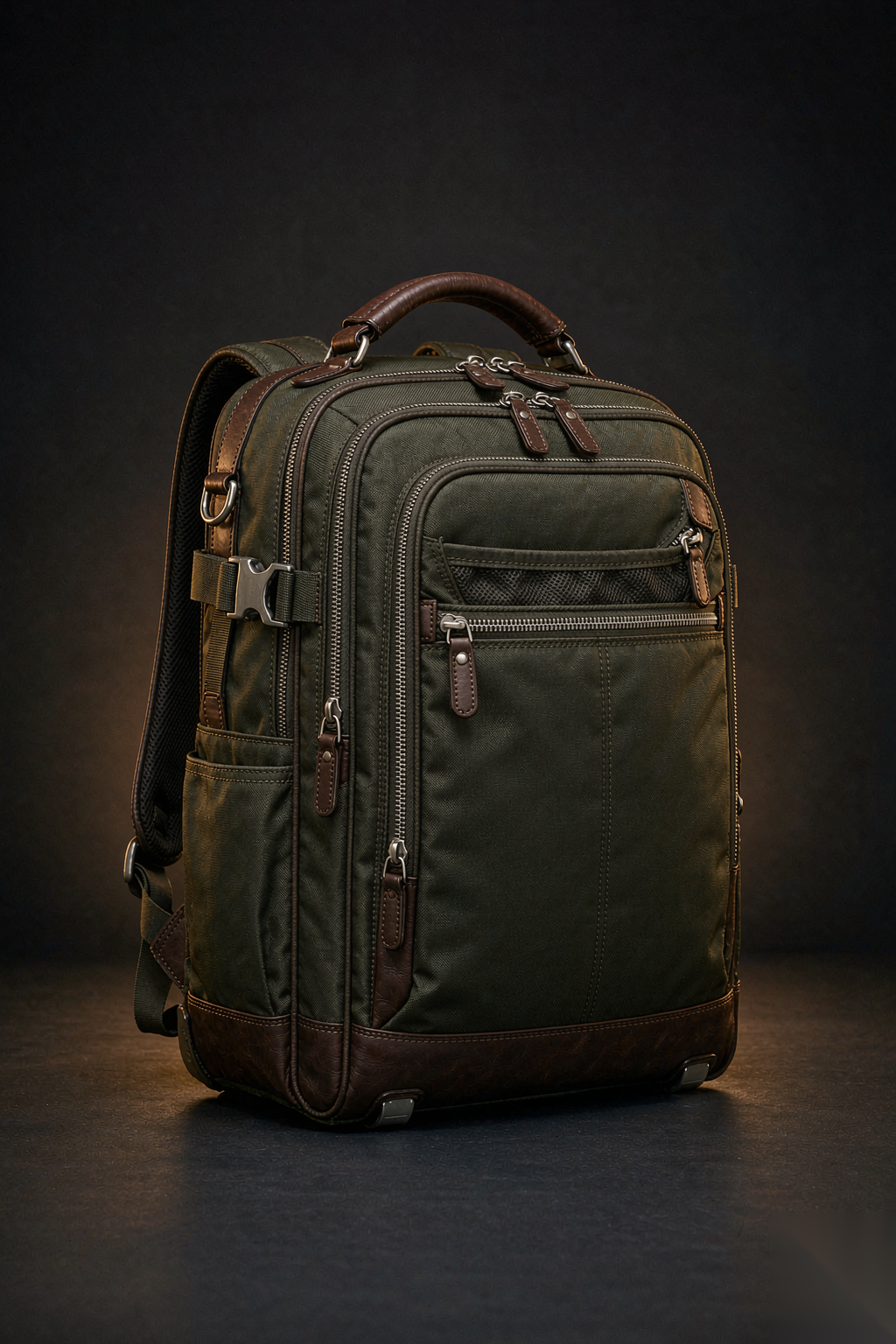
Alibaba is the world's largest B2B sourcing platform — and the most misunderstood channel for bag brands. First-time buyers use it as a catalog (browse, pick, order) and discover that the platform doesn't work that way for custom products. Experienced buyers use it as a directory (find, verify, contact directly) and get results. Bag brand strategy on Alibaba depends on understanding what the platform actually is: a listing site that connects buyers to suppliers, not a quality-control system. Here is what works, what doesn't, and how to use Alibaba as one tool in a sourcing strategy that includes verification and development.
What Alibaba Does Well
Alibaba is genuinely useful for three things:
1. Discovery. The platform aggregates thousands of bag factories in one searchable database — the fastest way to see the range of suppliers, their product categories, and their claimed capabilities.
2. Price benchmarking. Even if you don't buy through Alibaba, the listed prices give you a ballpark for what different bag types and materials cost. This benchmark is your negotiation baseline when you talk to factories directly.
3. Initial contact. The messaging system connects you to factory sales representatives who speak English and respond quickly. For a first-time buyer who doesn't know where to start, this is the lowest-friction entry point.
What Alibaba Does Not Do
Three things buyers expect Alibaba to do that it does not:
Expectation | Reality |
|---|---|
"Verified suppliers are quality-assured" | "Verified" means the supplier paid for verification — it checks business license and factory existence, not product quality |
"Trade Assurance protects my order" | Trade Assurance covers payment-to-delivery, not quality — a bag that arrives with poor stitching is not covered |
"Reviews reflect product quality" | Reviews reflect buyer satisfaction with the transaction, not with the product's durability or construction |
The platform's verification and protection systems are useful for transaction safety — they do not replace the buyer's own quality control. A buyer who relies on Alibaba's badges without doing their own verification is the buyer who receives a bag that looks nothing like the listing.
The Strategy That Works: Alibaba as Step One
The buyers who get results from Alibaba use it as step one in a three-step process:
Step 1: Find (on Alibaba). Search for your bag type, shortlist 5-10 suppliers based on their listings, and initiate contact through the platform's messaging system.
Step 2: Verify (off Alibaba). Take the conversation off the platform and do your own verification: ask for their business license, their export record, their factory photos and videos, and references from other buyers. Our guide to verifying a Chinese supplier covers the document checks and the red flags.
Step 3: Develop (with a partner or directly). Send your spec sheet, request samples, and run the sampling process with your own QC standard. If you are a first-time buyer, a development partner manages this process — the factory relationship, the sampling, the QC, and the shipping — so you deal with one team instead of juggling five factory conversations.
The buyers who fail on Alibaba skip step 2 and 3. They find a supplier, order from the listing, and hope for the best — which works for stock items but fails for custom products.
Custom Bags on Alibaba: The Reality
The bag category on Alibaba splits into two product types with completely different dynamics:
Stock bags. Factory-designed bags sold as-is, with your logo printed or embroidered. The factory has already developed the product — you are adding branding. The MOQ is lower, the timeline is shorter, and the risk is lower. But the bag is not yours — the same design is available to your competitors.
Custom bags. Your design, developed from your spec sheet, with your materials and your hardware. The MOQ is higher, the timeline is longer, and the process requires a spec sheet, sampling, and QC. But the bag is yours — the design, the fit, and the quality are your competitive advantage.
Alibaba's listings favor stock bags (they photograph well and have clear prices). Custom bags require the conversation to go beyond the listing — into specs, samples, and the development process. Our guide to the bag production timeline covers what that process looks like.
The Red Flags: When to Walk Away
Five signals that a supplier on Alibaba is not the right partner for a custom bag program:
1. The price is dramatically lower than other quotes. If one factory quotes $8 per bag and others quote $15, the $8 factory is cutting something — usually material, stitching, or QC.
2. The supplier won't provide a factory address or video. A trading company posing as a factory cannot show you the production floor.
3. The response is always "yes, we can do that." A factory that never pushes back on specs, timelines, or MOQs is not being honest about what is realistic.
4. The sample doesn't match the listing photo. If the sample quality is below the listing photo, bulk will be worse — the sample is the factory's best effort.
5. The supplier pressures you to order quickly. "This price is only valid this week" is a sales tactic, not a production constraint.
MOQs depend on the product and factory. Tell us what you need and we confirm what is realistic before you commit to anything. Our factory audit checklist covers the on-site visit that verifies what Alibaba's listing claims.
Frequently Asked Questions
Should I order through Alibaba's Trade Assurance?
For payment protection on first orders, yes — it ensures the payment is held until the goods ship. But Trade Assurance does not cover quality issues — you still need your own QC standard and sample approval.
Can I find good bag factories on Alibaba?
Yes — many excellent factories list on the platform. The platform is a directory; the quality is in the verification you do after finding them.
What is the biggest mistake buyers make on Alibaba?
Ordering a custom product from a listing without sampling first. The listing photo is the factory's best work; the bulk shipment is their average work. Sample before you commit — always.
The Takeaway
Alibaba is a discovery tool and a price benchmark — not a sourcing strategy. Use it to find suppliers, verify them independently, and develop custom bags through a structured process with samples and QC. The brands that treat Alibaba as step one of a three-step process get results; the brands that treat it as a catalog get disappointed.
