
Industry Insights
Boot-Sneaker Hybrids: Designing the Workwear Crossover
Boot-sneaker hybrid design—workwear DNA in sneaker silhouettes, construction choices, comfort integration, and positioning the crossover credibly.
# Boot-Sneaker Hybrids: Designing the Workwear Crossover
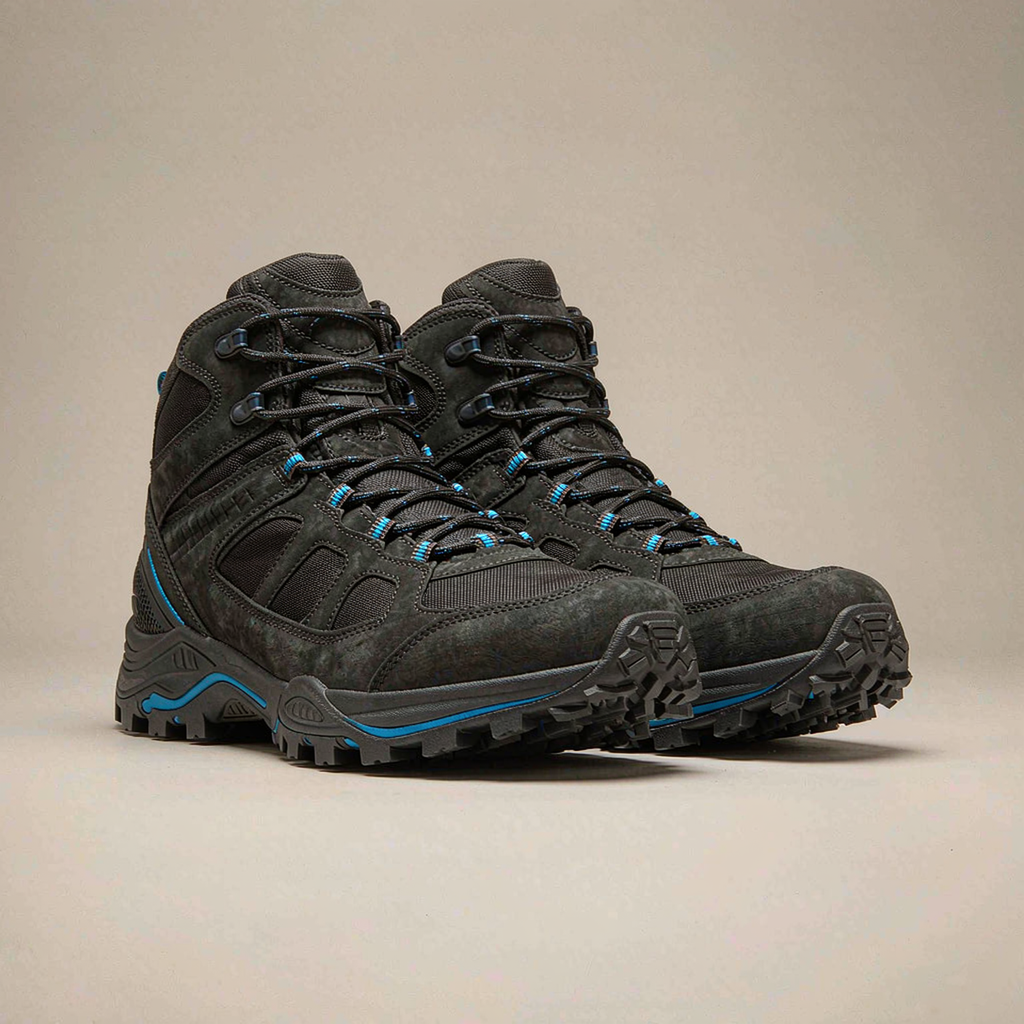
Between the boot world and the sneaker world sits a hybrid that keeps earning its place: the boot-sneaker—the workwear silhouette built with sneaker comfort, or the sneaker silhouette built with boot credibility. The hybrid's appeal is a genuine resolution of a real tension: buyers want boot presence and durability with sneaker wearability, and for years they had to choose. For small brands, the hybrid is a rich design space with specific construction questions—stitch-down construction, comfort integration, and the credibility problem of workwear language. This guide covers the design space, the construction choices that make hybrids real, and how to position them honestly.
Why the Hybrid Works: The Tension It Resolves
The hybrid exists because two audiences want each other's product:
• Sneaker buyers want boot substance. Durability stories, weather presence, a silhouette that reads substantial—the workwear aesthetic carries authority sneaker design borrows constantly (our trail crossover coverage describes the parallel outdoor version).
• Boot buyers want sneaker comfort. Traditional boots punish all-day wear with rigid soles and break-in periods; sneaker comfort—cushioned midsoles, padded collars, immediate wearability—is what the hybrid imports.
The hybrid that works resolves both: boot visual grammar (height, materials, stitching language, sole presence) with sneaker biomechanics underneath. The one-sided versions fail predictably—a sneaker wearing boot costuming reads as costume; a boot with a foam wedge reads as a gimmick.
The Design Vocabulary
The hybrid's working elements:
Height and collar. Mid-height silhouettes—higher than a sneaker, lower than a boot—define the category. The collar is the design's hinge: padded enough for sneaker comfort, structured enough for boot presence. Our lining and collar guidance covers the foam and structure decisions this hinge carries.
The material story. Full-grain and waxed-adjacent leathers, heavy-duty stitching, metal eyelets and speed hooks—workwear's material vocabulary. The materials must be real: the hybrid's credibility rests on the upper actually being boot-grade where it looks it.
The sole presence. Chunky wedge soles (wedge construction is the hybrid's classic), lugged cupsoles, or cupsole platforms with boot-tread references. The sole is where comfort and credibility meet: it must carry the boot look *and* the sneaker ride.
The stitching language. Visible, functional, honest—triple-stitched seams, bar-tacked stress points, stitch-down visible construction. Workwear stitching is decorative only when it's structural; the hybrid's stitching should be the latter.
Construction Choices That Make It Real
The hybrid lives or dies in construction decisions:
Decision / Option / Trade-off
• Upper-to-sole attachment — Stitch-down — Visible craft credibility; more labor; the hybrid's classic
• — Cemented cupsole — Cleaner look, faster production; less "workwear" story
• — Vulcanized wedge — Heritage wedge feel; limited midsole comfort
• Midsole comfort — EVA wedge inside boot sole — The comfort import—foam choice matters
• — Traditional wedge rubber — Authentic look; harder ride; honest trade
• Toe structure — Structured boot toe — Presence; needs lasting discipline
• — Soft sneaker toe — Comfort; reads sneaker-ish
• Collar system — Padded sneaker collar — Comfort at the hinge
• — Structured boot collar — Support; break-in
The stitch-down construction deserves its emphasis: it is the hybrid's signature process—upper flanged outward and stitched to the sole's midsole rim, visible and verifiable. It costs labor (per our construction methods comparison), and it buys the credibility that makes the hybrid read real. Factories with workwear heritage run it well; the factory capability probe asks exactly this.
Comfort Integration: The Import That Defines the Category
The hybrid's defining promise is sneaker comfort in boot clothing—and it's engineered, not assumed:
• The footbed system. A real insole comfort system—cushioned, contoured—is the hybrid's comfort foundation.
• The midsole layer. An EVA or foam wedge under the boot-look sole gives the ride; the foam family choice tunes it.
• The collar and lining. Padded, breathable linings and a collar tuned for no-break-in comfort—the opposite of traditional boot break-in, and the hybrid's daily-wear promise.
• Flex discipline. Boots are stiff by tradition; hybrids need forefoot flex. The torsion and flex structure decisions keep the boot presence without the board feel.
The comfort integration is also the positioning message: "boot presence, sneaker comfort"—a claim the construction must deliver on the first wear, because the hybrid's buyer tries it on expecting exactly that.
Positioning the Hybrid Honestly
The hybrid's credibility rules:
1. Deliver the substance the look claims. Stitching that's structural, materials that are boot-grade, soles that wear—the workwear language raises expectations the product must meet.
2. Don't claim protection you don't have. Work-boot safety standards are specific certified claims; a style-inspired hybrid is not safety footwear. State the fashion positioning honestly—our performance claims discipline applies.
3. Own the comfort promise. The hybrid's differentiator is day-one comfort; if the first wear isn't comfortable, the category's promise broke.
4. Price the construction. Stitch-down labor and boot-grade materials cost real money—the hybrid prices above a basic sneaker, and the margin math should reflect it.
Hybrid Development with a Manufacturing Partner
Boot-sneaker hybrids need factories with both vocabularies: workwear construction (stitch-down, structured toes, heavy stitching) and sneaker comfort systems (foams, collars, footbeds). From the Fujian belt we match hybrid designs to factories with genuine workwear heritage—not sneaker factories cosplaying—and verify the construction choices on samples: stitch-down executed properly, comfort delivered on first wear, and the golden sample carrying both the look and the ride. Our niche categories guidance covers the adjacent category notes.
As always: "MOQs depend on the product and factory. Tell us what you need and we confirm what is realistic before you commit to anything."
FAQ
What defines a boot-sneaker hybrid? Boot visual grammar—height, leather quality, structural stitching, substantial soles—on sneaker biomechanics: cushioned midsoles, padded collars, day-one wearability. The category resolves a real tension: buyers want boot presence and durability with sneaker comfort, and one-sided versions (boot costume on a sneaker, or a foam wedge on a boot) fail predictably.
Why does stitch-down construction matter for hybrids? It's the hybrid's signature process: the upper flanges outward and stitches visibly to the sole rim—verifiable craft that makes the workwear story real rather than costumed. It costs more labor than cemented construction, and it buys the credibility the category's buyers are checking for. Factories with genuine workwear heritage run it well.
How do hybrids deliver sneaker comfort in boot clothing? Engineered, not assumed: a real cushioned insole system, a foam wedge under the boot-look sole, breathable linings with a no-break-in collar, and flex structure that keeps forefoot movement. The comfort must arrive on first wear—the hybrid's defining promise and its main positioning claim.
Can a style-inspired hybrid claim work-boot protection? No—safety footwear involves specific certified standards a fashion hybrid doesn't meet. State the fashion positioning honestly: workwear *language*, sneaker comfort, boot-grade materials where the look shows them. The claims discipline applies—name the truth of the construction and let the aesthetic carry the aspiration.
