
Industry Insights
Camera Bag Divider Systems: Modular Configurations for Expensive Equipment
Camera bag dividers protect $5,000+ of glass. The hook-and-loop systems, divider densities, and configuration standards that separate real protection from marketing padding.
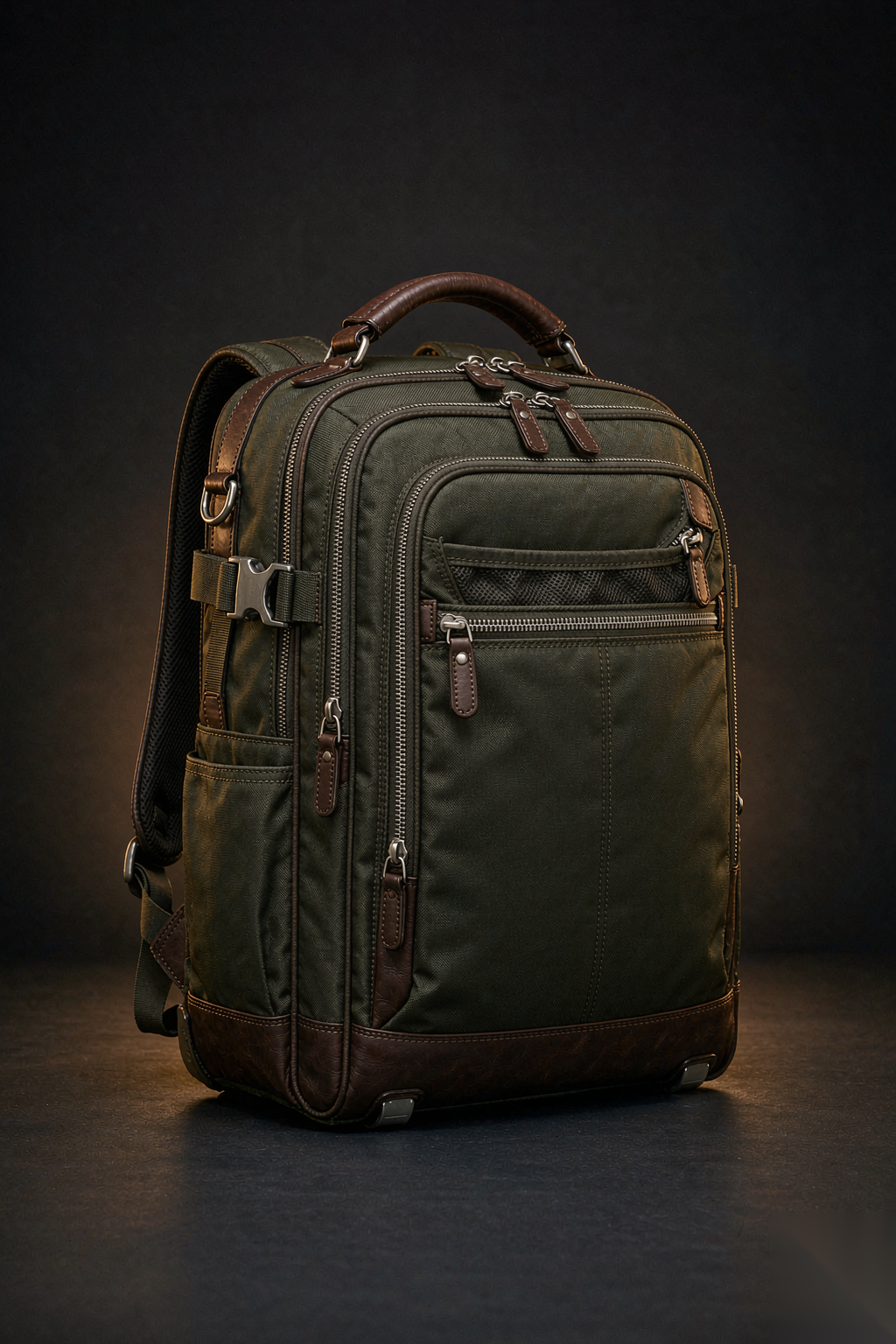
A camera bag carries the most fragile cargo per cubic centimeter of any consumer bag: a camera body and two lenses can exceed $5,000, packed into a space smaller than a shoebox. Camera bag divider systems are the internal architecture that protects that investment — the padded walls, the hook-and-loop attachment, and the modular configuration that lets the photographer reorganize the interior for every shoot. Here is how the divider system works, how to spec it, and the QC checks that prevent the one failure no camera bag brand survives.
The Divider System: Modular vs Fixed
The divider system is the camera bag's defining feature — it separates and protects each piece of equipment. Two systems:
System | How It Works | Best For | Trade |
|---|---|---|---|
Fixed dividers | Sewn-in padded walls at fixed positions | Single-camera setups that never change | No flexibility; the layout is permanent |
Modular (hook-and-loop) | Padded dividers attach to the lining at any position | Multiple camera configurations | Velcro wears; dividers can shift |
Modular dividers are the commercial standard — photographers reconfigure their gear constantly. The development spec:
Divider thickness. 8-12mm high-density closed-cell foam wrapped in a non-slip fabric. Too thin doesn't protect; too thick wastes interior space.
Attachment strength. The hook-and-loop must hold dividers in place when the bag is inverted — a divider that slides during transit is a divider that fails.
Configuration options. The bag should include enough dividers to create 4-8 configurations — the more ways the interior can be arranged, the more camera setups the bag serves.
The Hook-and-Loop Spec: The Attachment That Determines Everything
The hook-and-loop (velcro) attachment is the divider system's foundation. Three spec lines:
Loop density. The lining should be covered in loop (soft side) across the entire interior surface — not just at fixed positions. This lets the photographer place dividers anywhere.
Hook coverage. The divider edges should be covered in hook (rough side) across their full height — partial coverage creates loose dividers that shift.
Grade. Standard hook-and-loop (velcro brand or equivalent) holds through thousands of attach-detach cycles. Industrial-grade holds longer but adds stiffness.
The QC check: attach a divider, invert the bag, shake gently, and verify the divider holds. A divider that shifts during the shake test is a divider that will shift during transit — and shifted dividers mean equipment that moves, which means equipment that breaks.
The Padding Spec: What Protects $5,000 of Glass
Camera lenses are the most fragile items in any consumer bag. The padding around each piece:
Density. High-density closed-cell foam — not open-cell, which absorbs moisture and compresses permanently.
Thickness. 10-15mm around each piece — thicker at the lens ends, where glass elements are most vulnerable.
Surface. Non-slip fabric (microfiber or brushed nylon) that grips the equipment and prevents sliding within each divided compartment.
The padding is testable: press firmly with a thumb — it should resist and spring back. Foam that compresses permanently is under-densified and will fail in bulk production where the padding material may differ from the sample.
The Configuration Standards: How Photographers Arrange Their Bags
The divider configurations photographers actually use:
Configuration | Contents | Divider Arrangement |
|---|---|---|
Single body + 2 lenses | Body center, lens each side | 3 dividers creating 3 equal compartments |
Dual body + 3 lenses | Bodies stacked or side by side, lenses in remaining space | 5-6 dividers creating a custom grid |
Body + zoom + accessories | Body one side, zoom lens center, flash and accessories other side | 4 dividers with varied compartment sizes |
Drone + controller + accessories | Drone center, controller and batteries around it | Custom divider shapes for non-rectangular equipment |
The bag should include enough dividers for all four configurations — which means including more dividers than the default setup uses. Photographers reconfigure for every shoot, and the bag that adapts to more configurations is the bag that earns the loyalty of a working photographer.
The QC Checklist: What to Check at the Sample Review
1. Divider hold test. Attach all dividers, invert the bag, shake gently — no divider should shift.
2. Padding density check. Press firmly with a thumb — high-density foam springs back; low-density compresses.
3. Divider coverage check. Every side of every compartment should be padded — no exposed shell inside the camera zone.
4. Configuration flexibility. Attempt at least 3 different configurations — the hook-and-loop should hold in each.
5. Velcro durability. Attach and detach each divider 10 times — the hook-and-loop should hold at the same strength after 10 cycles.
MOQs depend on the product and factory. Tell us what you need and we confirm what is realistic before you commit to anything. Camera bag development carries a divider-system and padding minimum that is knowable before sampling — from the factory, not a website.
Frequently Asked Questions
What is the most common camera bag failure?
Divider detachment — the hook-and-loop wears and the dividers slide, allowing equipment to contact each other. The fix: higher-grade hook-and-loop and divider anchors at the base of each divider.
How many dividers should a camera bag include?
Enough for 4-8 configurations — typically 6-10 dividers of varying widths. A bag that includes only the dividers for one configuration limits the photographer to that setup.
Can I use a regular bag with aftermarket dividers for camera gear?
Aftermarket divider inserts work in regular bags as a budget option. But a purpose-built camera bag integrates the dividers, the padding, the access design, and the weather resistance as a system — which aftermarket inserts cannot match.
What padding density should camera bag dividers use?
High-density closed-cell foam at 10-15mm thickness. The density matters more than the thickness: high-density foam at 10mm outperforms low-density foam at 15mm for impact absorption.
The Takeaway
Camera bag divider systems are the architecture that protects the most expensive cargo per volume in the consumer bag market. The hook-and-loop spec, the padding density, and the configuration flexibility are the three decisions that determine whether the bag protects $5,000 of glass — or delivers it broken. Spec them precisely, test them on the sample, and the bag earns the trust of a photographer whose livelihood depends on it.
