
Industry Insights
Canvas vs Recycled Polyester: Choosing the Right Fabric for Your Bag Line
Canvas and rPET are the two workhorse bag fabrics — and they behave nothing alike. How they compare on feel, durability, printing, and sustainability claims.
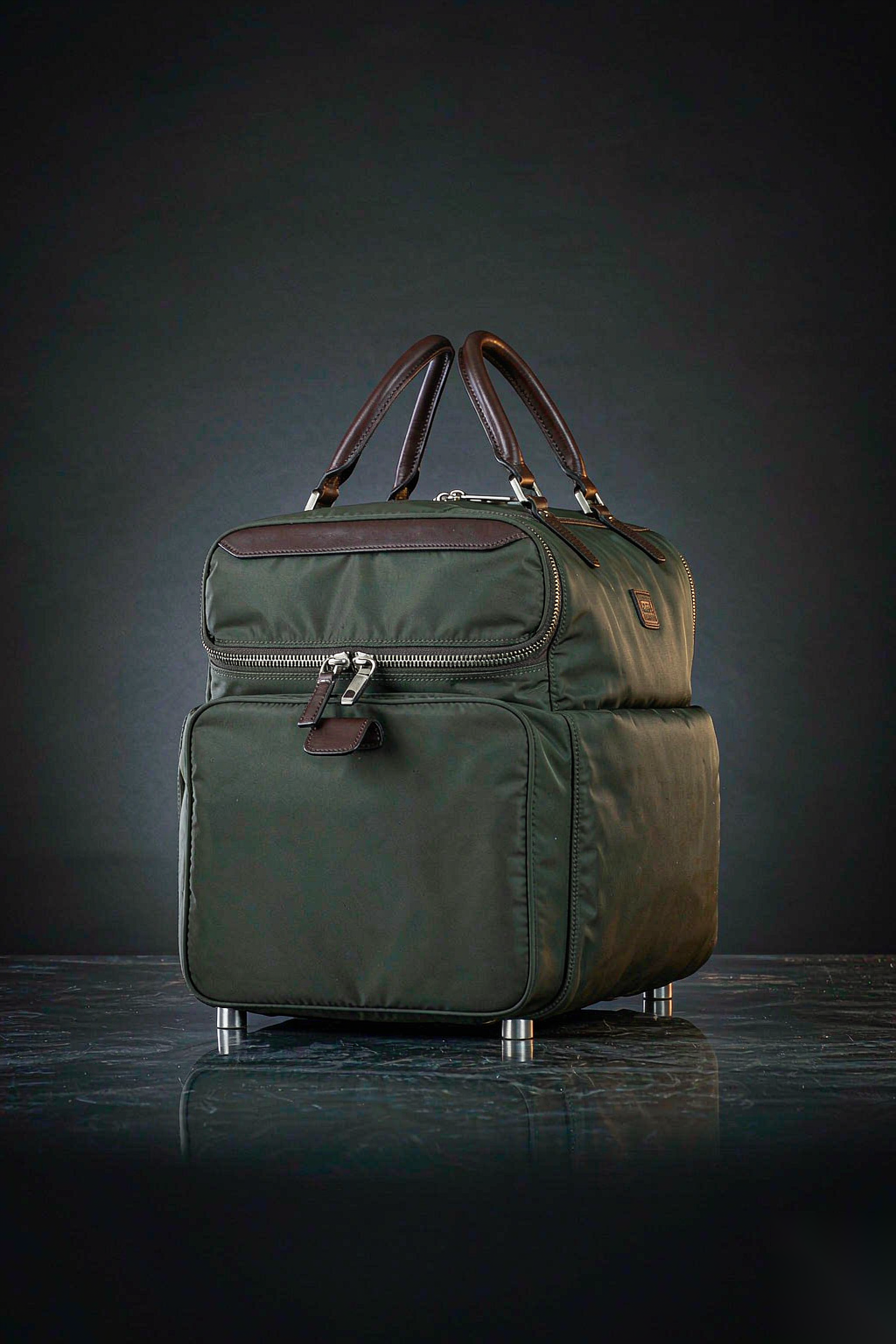
Two fabrics dominate the bag category's mid-range, and they could not be more different at the fiber level: canvas — the heavy, woven cotton or cotton-blend that has carried bags for a century — and recycled polyester (rPET), the engineered fabric spun from post-consumer plastic bottles. Canvas vs recycled polyester for a bag line is not a quality ranking; it is a decision about feel, printing behavior, sustainability claims, and the kind of brand you are building. Here is how the two fabrics actually compare when you are about to order a production run.
The Fiber-Level Difference That Drives Everything
Canvas is a weave: cotton (or a cotton-poly blend) yarns interlaced in a plain or basket pattern. Its character comes from the fiber's natural irregularity — the slubs, the breathability, the way it softens and creases with use.
rPET is an extruded filament: polyester fibers spun from melted recycled bottles, engineered for consistency. Its character comes from that engineering — uniform denier, consistent color uptake, controlled texture, and a clean sustainability narrative.
Every comparison below traces back to this: grown versus made, natural variation versus engineered consistency.
The Head-to-Head Comparison
Dimension | Canvas (Cotton/Cotton-blend) | Recycled Polyester (rPET) |
|---|---|---|
Hand feel | Softens with use; develops character | Consistent from day one to end of life |
Color uptake | Dyes richly but varies between dye lots | Takes color uniformly, batch to batch |
Water behavior | Absorbs; dries slowly | Naturally water-resistant; dries fast |
Weight | Heavier per panel at comparable strength | Lighter; higher strength-to-weight |
Printing | Screen print holds beautifully on cotton | Heat transfer and sublimation excel |
Abrasion | Wears visibly; fades and softens | Resists abrasion; holds surface longer |
Sustainability story | Natural fiber, biodegradable | Diverts plastic waste; certifiable (GRS) |
Consistency | Natural variation between lots | Engineered consistency |
The Printing and Branding Question
For brands whose bags carry heavy graphics — logos, patterns, full-surface prints — the fabric-print interaction is the deciding factor:
Canvas takes screen print beautifully on cotton fibers, with a matte, premium texture that heat transfer cannot replicate. But dye-lot variation means the same Pantone prints slightly differently across production runs.
rPET takes sublimation and heat transfer with exceptional crispness — full-surface printing, photographic gradients, and color consistency across batches. For graphic-heavy designs, rPET's printing behavior is a genuine design tool.
The practical note: many brands run both — canvas totes for the heritage line, rPET backpacks for the graphic-driven line — because the fabrics serve different design languages rather than competing for the same one.
The Sustainability Claims: Getting Them Right
Both fabrics carry sustainability narratives, and both narratives have precision requirements:
Canvas: natural fiber, biodegradable at end of life. But conventional cotton carries water and pesticide footprints — organic cotton certification addresses this if the claim matters to your market.
rPET: diverts plastic waste from landfill, certifiable through the Global Recycled Standard (GRS). The certification requires chain-of-custody documentation from the supplier — confirm it, do not assume it.
The mistake brands make: claiming sustainability without the certification to back it. If the fabric's story matters to your market, the certification is part of the material spec, not a marketing afterthought.
Durability and Aging: The Long Game
Canvas ages visibly — it fades, softens, creases, and develops the patina that heritage-style brands build their identity around. The aging is a feature for brands selling character.
rPET ages slowly and uniformly — it resists abrasion, holds color, and looks the same after a year as the day it shipped. For brands whose customer expects the bag to look like the product photo for years, rPET's consistency is the feature.
Neither ages "better" — they age differently, and the brand's promise decides which aging pattern serves it. Our guide to bag hardware quality covers the other half of the aging equation — hardware patina and wear — which interacts with the fabric's aging story.
The Cost Reality at Production Scale
Both fabrics run in the same general cost class at production volumes, but the cost structure differs: canvas pricing varies with cotton commodity markets and dye-lot runs; rPET pricing tracks recycled-plastic supply and carries certification overhead. The fabric choice rarely changes the bag's final price class by itself — but it changes the cost volatility, which matters for programs that reorder across seasons.
MOQs depend on the product and factory. Tell us what you need and we confirm what is realistic before you commit to anything. Fabric MOQs vary by type and color — canvas dye runs and rPET certification lots each have their own minimums, knowable from the factory before you commit.
Frequently Asked Questions
Is one fabric stronger than the other?
At comparable weights, rPET resists abrasion better and holds its surface longer. Canvas at heavy weights (12oz+) rivals it in tensile strength. The application decides: a heavy canvas tote outlasts a light rPET backpack, and vice versa.
Can I mix canvas and rPET in one bag?
Yes — canvas panels with rPET lining, or rPET body with canvas trim, are legitimate constructions that combine both fabrics' strengths. The combination adds a color-matching step at development.
Does recycled polyester actually recycle again?
rPET can be re-recycled in closed-loop systems, though fiber degradation limits the cycles. The honest claim is "diverts plastic waste," not "infinitely recyclable."
Which fabric prints better for small runs?
rPET takes heat transfer at lower minimums than canvas screen printing requires — for small runs with complex graphics, rPET's print economics usually win.
The Takeaway
Canvas vs recycled polyester is a design-language decision: canvas for brands selling character, heritage, and natural texture; rPET for brands selling consistency, graphics, and certified sustainability. Sample both in your target weight, print on both, and let the fabric that serves your design language make the call.
