
Sourcing Guides
How Long Does China Production Take? Realistic Timelines by Product
See how China production lead time breaks down by stage and product, with realistic ranges.
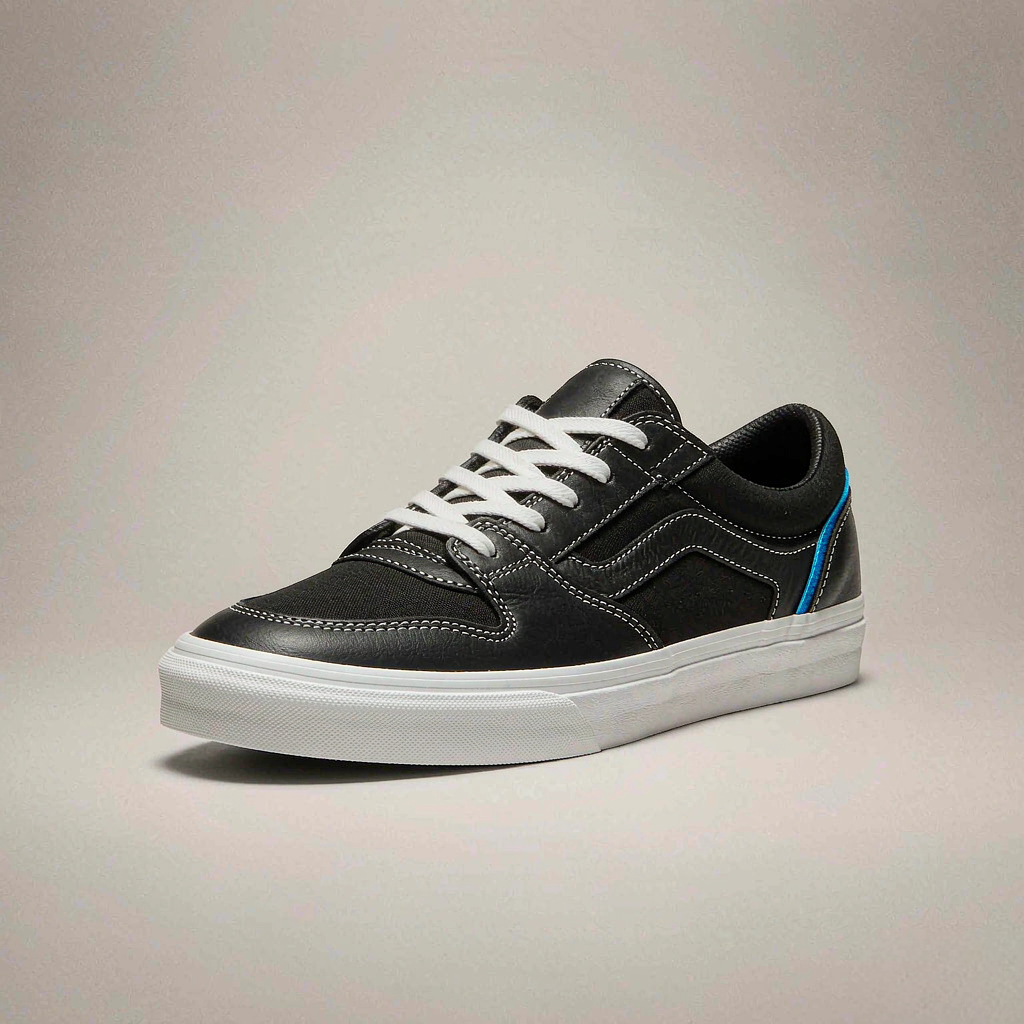
How Long Does China Production Take? Realistic Timelines by Product
Ask a factory how long production takes and you will often hear one number: "30 days." That number is real, but it answers a narrower question than the one you asked. Your full China production lead time — from first sample to goods on a vessel — is built from four separate stages, and a factory's quote usually covers only one of them.
This guide breaks the timeline into stages, gives realistic ranges by product category, and explains what actually pushes dates around: customization depth, materials, holidays and order structure. Use it to plan backwards from your launch date instead of forwards from a factory's promise.
The Four Stages Behind Your Production Timeline
When buyers ask about lead time, they usually mean bulk production. But a finished order passes through four stages, and each has its own clock:
1. Sampling — turning your design or tech pack into a physical sample you approve.
2. Materials preparation — sourcing and producing the fabric, hardware, components and trims the order needs.
3. Bulk production — the manufacturing run itself.
4. Inspection and export — checking finished goods, then booking, clearance and loading.
Here is a rough map of the four stages, with deliberately wide ranges:
Stage | What it covers | Typical range (wide) | Main variables |
|---|---|---|---|
Sampling | First sample through final approved sample | Roughly 1–4 weeks; longer for from-scratch development | Design depth, revision rounds, factory workload |
Materials | Mesh, leather, hardware, trims | Roughly 1–6 weeks | Stock vs. custom, dyeing, supplier minimums |
Bulk production | The manufacturing run | Roughly 2–6 weeks | Product type, quantity, line schedule |
Inspection and export | Final checks, booking, documents, loading | Roughly 1–2 weeks | Check method, vessel schedule, holidays |
Two caveats. First, shipping is not in this table at all — transit time is separate from production and depends on route and mode. Second, every figure above varies by product and by factory. Two workshops can quote the same design differently on the same day. The only reliable number is the one your specific factory confirms after seeing your actual design and quantity.
Realistic Ranges by Product Category
The stage that dominates differs by product. Here is how the picture typically looks for custom orders in the categories we handle:
Product | Sampling | Bulk production | The swing factor |
|---|---|---|---|
Slip-ons and low tops | Roughly 1–3 weeks | Roughly 3–6 weeks | Hardware and trim availability; lining and material choices |
Footwear | Roughly 2–4 weeks | Roughly 4–8 weeks | New lasts or outsole molds add significant time |
Knit uppers | Roughly 1–2 weeks per round | Roughly 3–6 weeks | Fabric: stock cloth is fast; custom dyeing is not |
Safety boots (steel toe) | Roughly 3–5 weeks | Roughly 3–6 weeks for standard items | Custom tooling can add weeks or even months |
Slip-ons look simple and rarely are. A trail shoe can involve a dozen material suppliers — leather or PU, webbing, zippers, buckles, lining, logos — and bulk production waits for every one of them. For a deeper dive, see our guide to sneaker manufacturing in Quanzhou.
Footwear development has its own rhythm, especially when a new design needs fresh lasts or molds. Quanzhou is one of China's major shoe-making regions, and we have written separately about working with shoe manufacturers in Quanzhou.
Uppers live and die on material. If the yarn or tannery has your cloth in stock, cutting can start quickly; if it needs to be woven, dyed and finished to your spec, the fmaterial alone can take longer than the stitching. Our footwear development page covers how we screen garment factories and fabric sources.
What Actually Moves Your China Production Lead Time
Five variables explain most schedule surprises:
Customization depth. Printing your logo on a stock item is a different project from developing a new design. Every custom detail — a new colorway, a bespoke zipper pull, an unusual fabric — adds sampling rounds and material lead time.
Order structure. Quantity, order composition and the factory's minimums shape both the schedule and who will take the job. Our position on this is simple: "MOQs depend on the product and factory. Tell us what you need and we confirm what is realistic before you commit to anything." Dates deserve the same honesty.
Peak season. Around Chinese New Year, factories wind down before the official holiday and ramp up slowly for weeks after workers return; Golden Week in early October has a smaller version of the same effect. Experienced buyers typically aim to have orders confirmed well in advance of CNY rather than negotiating during the wind-down.
Materials. Fabric dyeing, custom hardware and special trims run on the suppliers' calendars, not the factory's. A late zipper can idle a full production line.
Holidays and workload. A factory juggling several large orders will queue yours, no matter what the first quote said. Confirm your slot in the real schedule, not just the theoretical run time.
Why the Factory's Quoted Lead Time Is Shorter Than Your Real Timeline
Most factory quotes start the clock at bulk production, and only once materials are in hand. Sampling, the wait for materials, holidays, final checks and freight booking all sit outside the number.
This is worth remembering when you browse platforms, too. Alibaba and 1688 are legitimate, efficient ways to discover and compare factories, and many serious manufacturers list there. Just know that a listed lead time is usually a bulk-only estimate, and a listing rarely tells you what is included. Ask the factory to confirm in writing what the quoted days cover — sampling? materials? loading? — before you plan anything around it.
The gap explains a pattern buyers know too well: the project starts "on time" according to the quote, then lands months late according to your launch calendar.
The Real Cost of a Rush Order
Rush orders are sometimes possible — usually for straightforward restocks where materials are in stock and the factory has open line capacity. For new development, they are mostly an illusion.
What a rush actually buys:
Overtime and expedited materials, which cost more — sometimes a lot more.
Split shipments, where part of the order goes now and the rest follows, complicating your inventory and freight plans.
Compressed checks, meaning fewer opportunities to catch problems before goods ship. Errors surface at your customers instead, which costs more than the delay would have.
And a rush can still fail: if the line is committed to another order, no fee creates capacity. Before paying a premium, ask what compression is realistic and what it puts at risk.
Planning Backwards From Your Launch Date
The practical way to schedule is to start at the end and work backwards:
1. Start with your launch date — the day goods must be selling, not the day they must ship.
2. Subtract transit time. Sea freight is typically measured in weeks and varies by route; air is faster and priced accordingly.
3. Subtract inspection and export preparation — final checks, booking, documents, loading.
4. Subtract bulk production — the confirmed factory schedule, not the hopeful one.
5. Subtract materials lead time, including any dyeing, tooling or custom components.
6. Subtract sampling, including the revision rounds almost every project needs.
7. Subtract finding and confirming a factory that will actually take your order.
8. Add a buffer. One small delay in some stage is normal; plan for one.
If the math lands somewhere uncomfortable, it is far better to learn that in week one than in week ten.
This is much of what an on-the-ground agent does. In Quanzhou, we match buyers with factories, check samples on site, follow production day to day, inspect each piece by hand before shipment as part of following your order, and handle the export paperwork — so the dates you plan around are dates someone has actually confirmed. If you are sourcing functional footwear, tell us what you need and when you need it, and we will confirm what is realistic before you commit to anything.
FAQ
How long does it take to manufacture a product in China?
From an approved sample to a finished bulk run, many consumer goods fall roughly between two and six weeks — excluding sampling, materials, inspection and shipping. A realistic plan for a custom product, first contact to shipped goods, is usually measured in months, and it varies by product and factory.
Does the factory's lead time include shipping?
Usually not. Most quotes cover bulk production only, starting once materials are ready. Freight booking, transit and export clearance sit on top. Ask the factory to confirm exactly what the quoted lead time includes before you build a launch plan on it.
How early should I order before Chinese New Year?
Earlier than feels necessary. Factories wind down before the holiday and ramp up slowly for weeks after workers return, so many buyers aim to confirm orders one to two months ahead — more if materials or tooling take longer.
Can I pay extra to speed up production?
Sometimes, for simple orders with stock materials and open line capacity. Rush fees buy overtime and faster material sourcing, but they cannot create capacity in peak season or safely compress sampling. Ask what is realistic before paying a premium.
