
Industry Insights
Chunky vs Minimal: Reading the Sneaker Silhouette Cycle
The chunky vs minimal silhouette cycle—how it swings, what drives each extreme, and how small brands design across the cycle instead of chasing it.
# Chunky vs Minimal: Reading the Sneaker Silhouette Cycle
Every few years, sneakers swing between two poles: chunky volume and minimal restraint. The swing looks like chaos from inside—brands chase whichever extreme is hot, redesign, overextend, and arrive at the next swing with the wrong inventory. Read from outside, the cycle is one of the most predictable rhythms in fashion: driven by contrast fatigue, wardrobe shifts, and the pendulum's own momentum. Brands that understand the cycle design *across* it—building ranges that hold value through both extremes. This guide covers the cycle's mechanics, what each pole actually demands, and the design strategy that outlasts swings.
The Cycle's Mechanics
The pendulum swings on three drivers:
Contrast fatigue. The engine: after years of one extreme, the market's eyes recalibrate and the opposite reads fresh. Chunky eras end because everyone owns chunk; minimal eras end because minimal reads plain. Our slim silhouettes guidance covers the current swing's mechanics from the slim side.
Wardrobe gravity. Silhouettes pair with clothing proportions: chunky sneakers match relaxed, oversized fits; minimal shapes match tailored ones. As broader fashion cycles move wardrobes, sneakers follow—silhouette demand is derivative of wardrobe demand.
Manufacturing memory. Factories, lasts, and molds from the previous era sit ready. When the swing comes, production capacity for the returning extreme exists—accelerating the swing's arrival. Our silhouette cycles guidance covers how shapes rotate through production without leaving it.
The cycle's period has been shortening as social media accelerates visual fatigue—but the swing itself hasn't broken. Planning for both poles is structural, not optional.
What Each Pole Actually Demands
The extremes aren't just aesthetics—they're different engineering and commercial problems:
Dimension / Chunky pole / Minimal pole
• Sole engineering — Foam systems and layering; height management — Precision tooling; comfort in thin geometry
• Fit character — Forgiving volumes — Precision fit—slim fit realities
• Production — Material-heavy; sole complexity — Labor-precise; finishing-heavy
• Cost structure — Material cost leads — Labor precision leads
• Quality exposure — Proportions and sole build — Everything visible—stitches, edges, symmetry
• Risk profile — Inventory weight if the swing passes — Fit complaints if execution slips
The poles also age differently on the buyer: chunky builds make visual statements that date; minimal builds recede into wardrobes and persist. That difference is why minimal-era products often have longer sellable lives—worth weighing in SKU architecture.
The Middle: Where Most Sales Live
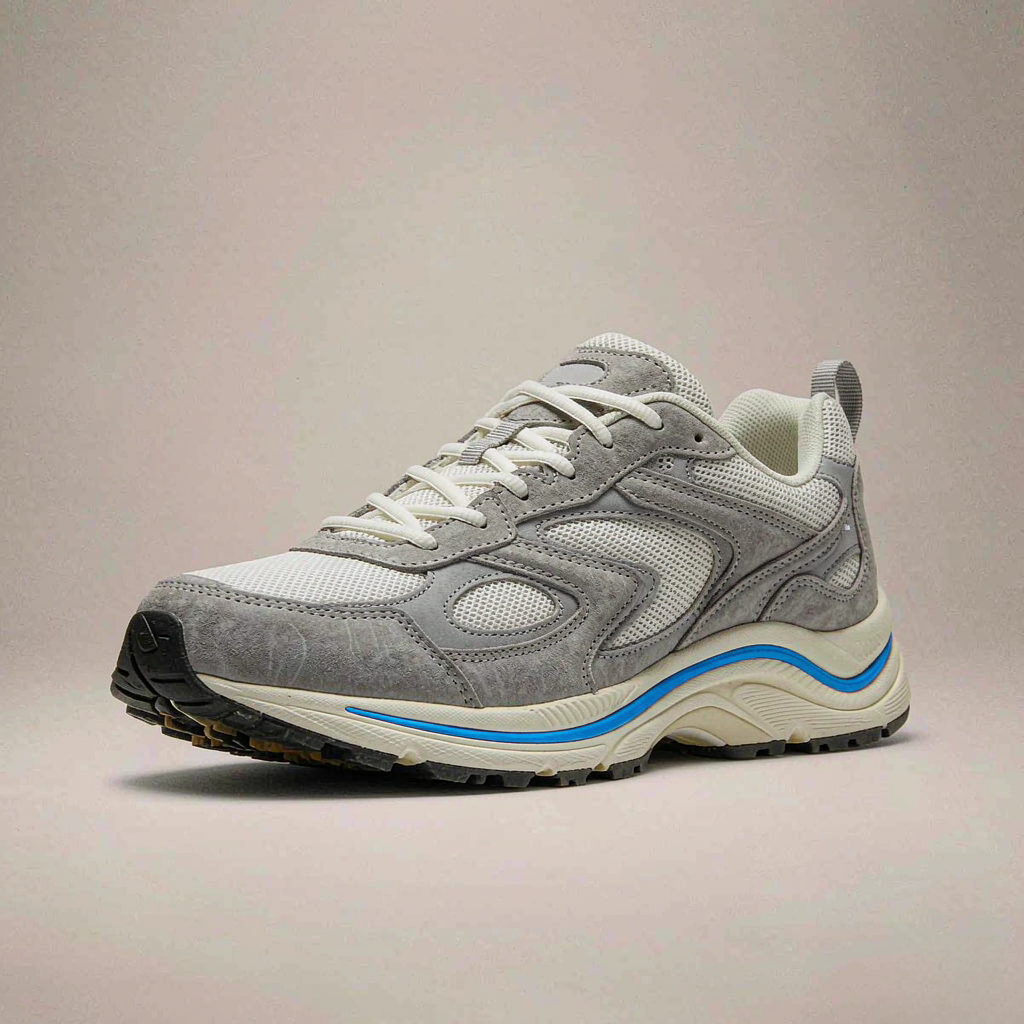
The cycle's secret is that its extremes are its headlines, not its volume. The market's middle—balanced proportions, moderate profiles, clean but present design—absorbs most buyers in every era. The middle is also the hardest position to design well, precisely because it has no extreme to hide behind:
• Balanced proportions require the proportion discipline both extremes demand, applied without either's drama.
• Moderate soles need the comfort engineering of chunky in the visual restraint of minimal—real foam systems inside honest profiles.
• Clean detailing at mainstream scale—the finishing standards of slim, the approachability of volume.
Small brands should weight their ranges toward the middle: it's where durability of demand lives, and where execution quality—not trend position—decides outcomes.
Designing Across the Cycle: The Range Strategy
The strategy that outlasts swings:
1. Anchor in the middle. The range's core models hold balanced proportions—sellable in every phase of the cycle. Our core line guidance places these as the always-available foundation.
2. Express the cycle at the edges. Seasonal models and colorway programs carry the current extreme's energy—without rebuilding the range around it.
3. Build platform flexibility. Lasts and sole platforms that can stretch slightly in either direction—tooling that serves both registers multiplies across the cycle, per the platform strategy.
4. Time the edges cautiously. Chasing an extreme's peak buys inventory into its decline; entering an extreme early (at the swing's start) buys the growth phase. Our development timeline reality—roughly a year from sketch to shelf—means today's design decisions land in a future phase of the cycle, which is the single strongest argument for middle-weighted ranges.
5. Let the swing refine, not dictate. The cycle informs proportions and energy; it shouldn't override the brand's identity—brand storytelling outlasts any swing.
The Cost of Chasing Extremes
The failure pattern the cycle produces, worth naming:
• The peak-chase. Designing into an extreme at its visibility peak—arriving at market as the swing reverses, with a range built for the last era.
• The full pivot. Rebuilding lasts, molds, and identity per swing—paying development costs twice per cycle to chase both directions.
• The identity loss. Brands that redesign per swing never compound recognition—each era introduces a stranger. Recognition is built by core consistency, and the cycle is the test of whether a brand has any.
The brands that compound through cycles share a shape: a middle-weighted core, edges that express the moment, and identity that neither pole owns.
Cycle Strategy with a Manufacturing Partner
Designing across the cycle is a production conversation: platform lasts that flex between registers, sole tooling with proportional flexibility, and factory relationships that hold quality across both extremes' demands—chunky's material complexity and minimal's precision. From the Fujian belt we help brands structure ranges that survive swings: middle-anchored platforms, cycle-aware development timing, and the silhouette cycle planning that times releases into growth phases rather than peaks.
As always: "MOQs depend on the product and factory. Tell us what you need and we confirm what is realistic before you commit to anything."
FAQ
Why do sneaker silhouettes swing between chunky and minimal? Three drivers: contrast fatigue (the market's eyes recalibrate after years of one extreme), wardrobe gravity (silhouettes follow clothing proportions), and manufacturing memory (existing lasts and molds accelerate each swing's arrival). The cycle is one of fashion's most predictable rhythms—and it keeps shortening as visual media accelerates fatigue.
Should a small brand design for the chunky or minimal pole? Anchor the core range in the balanced middle—sellable in every cycle phase—and express the current extreme at the edges through seasonal models and colorways. Given a year-long development timeline, today's design decisions land in a future cycle phase; middle-weighted ranges survive that lag, extreme-chasing doesn't.
What does each pole demand in production? Chunky: material-heavy soles, foam systems and layering, forgiving volumes—material cost leads. Minimal: precision tooling, labor-heavy finishing, everything visible—labor precision leads. They're different engineering and cost problems, which is why ranges that hold both registers need factories fluent in both disciplines.
How do brands stay recognizable across silhouette cycles? By anchoring identity in the middle: core models with balanced proportions that persist through swings, edges that express the moment without owning it, and platform tooling that flexes between registers. Brands that redesign per swing never compound recognition—each era introduces a stranger.
