
Industry Insights
Cupsole vs Vulcanized: Choosing the Right Sole Construction for Your Brand
Cupsole vs vulcanized construction compared—feel, durability, cost, and MOQ differences, and how to choose for your sneaker line.
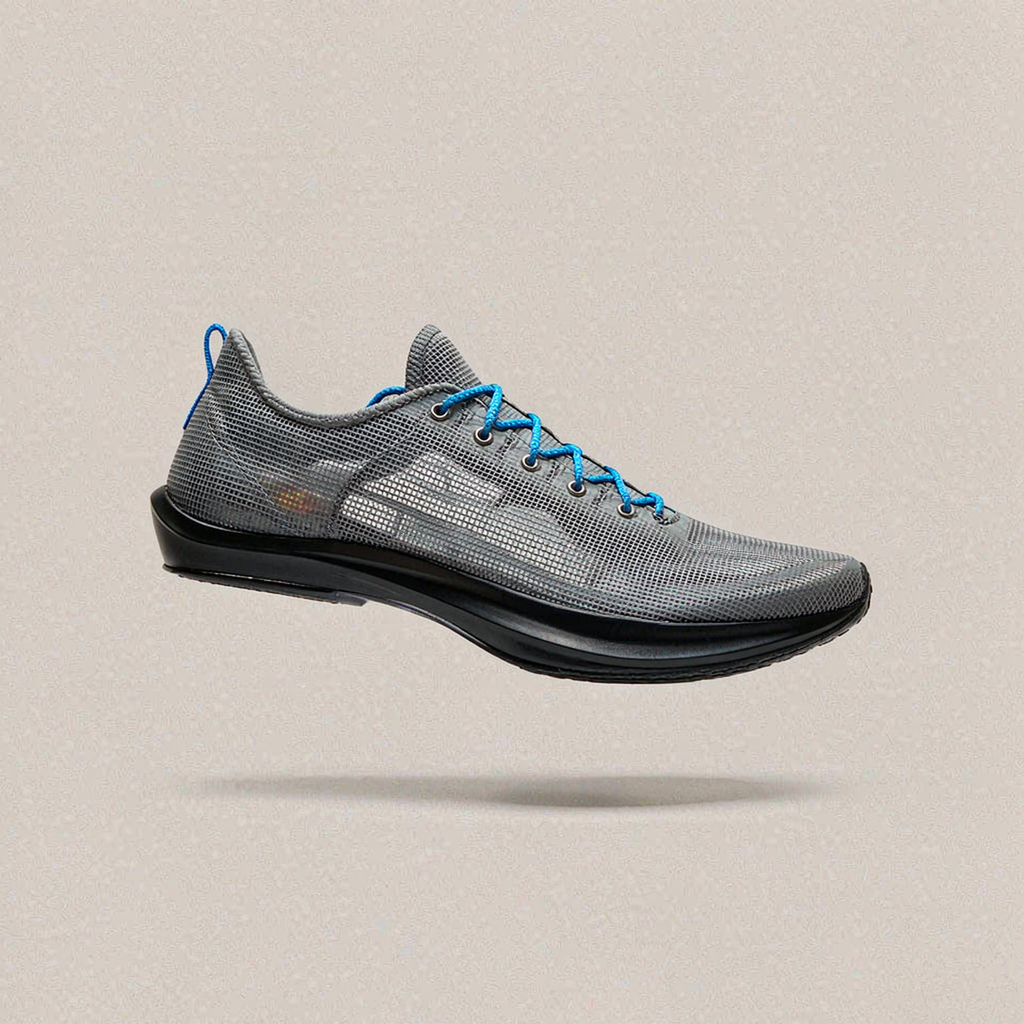
# Cupsole vs Vulcanized: Choosing the Right Sole Construction for Your Brand
Ask two sneaker factories what construction they recommend and you will usually get an answer shaped by what their lines already run. The real question—cupsole vs vulcanized—deserves a deliberate answer, because it defines how your shoe flexes, how long it lasts, what it costs per pair, and even which factories can build it at your quantity. This guide compares the two constructions from a brand owner's seat: feel, durability, cost structure, and the practical realities of ordering each.
The Two Constructions, Briefly
Vulcanized construction bonds the outsole rubber to the upper through heat and pressure in a autoclave-style press, with the foxing tape wrapping the upper's sidewall. The result is a thin, flexible, low-to-the-ground shoe—the classic skate and canvas-heritage build. The rubber cures during pressing, creating the characteristic wrapped sidewall look.
Cupsole construction molds the entire outsole and midsole sidewall as one rubber cup, which is then cemented to the upper's lasted bottom. The upper sits inside the cup's sidewall (or stitch-down reinforced, in the common cupsole variant), giving a chunkier profile, a built-in heel section, and a sturdier ride.
Our sneaker construction methods guide covers the wider family including cold cement and injection builds; here the focus is the choice between these two, since they are the fork in the road most streetwear brands hit first.
Feel and Performance Compared
Aspect / Vulcanized / Cupsole
• Flexibility — Very flexible; board-feel friendly — Moderate; more structure
• Ground feel — Close, thin — Raised, cushioned heel possible
• Cushioning potential — Limited; insole and thin midsole only — Real midsole cavity; foam and air units fit
• Silhouette character — Slim, wrapped sidewall aesthetic — Chunkier, sculpted sidewall aesthetic
• Durability in flex zones — Foxing tape can split at flex points with age — Cup resists side tearing; bonding line is the risk
• Water resistance — Lower; more seams — Higher; one-piece sidewall
The choice mirrors product intent. A skate-adjacent or summer canvas line wants vulcanized flexibility and the heritage look. A running-heritage or comfort-forward line wants a cupsole's cushioning cavity. A brand straddling both worlds—court aesthetic with modern comfort—often lands on stitch-down cupsole variants that borrow the vulcanized sidewall look while keeping the cup's structure.
Cost, MOQ, and Factory Realities
The two constructions carry different commercial weights:
• Tooling. Vulcanized needs the outsole mold plus foxing and pressing fixtures; cupsole needs the cup mold. Comparable scale, but cupsole molds for sculpted sidewalls cost more to cut and revise than simple vulcanized soles.
• Per-pair cost. Vulcanized is labor-heavier (assembly and pressing steps), cupsole is material-heavier (more rubber in the cup). At small quantities the difference is modest; at volume, cupsoles generally industrialize better.
• MOQ behavior. Vulcanized lines in the Quanzhou–Jinjiang belt are numerous and flexible on smaller runs, since canvas and skate production is a regional specialty. Cupsole tooling amortizes over larger runs, pushing practical minimums upward—though simple cup designs keep MOQs reasonable.
• Factory selection. Every shoe region runs both, but individual factories usually specialize. Choosing construction first narrows your factory list usefully. Our Quanzhou sneaker manufacturing overview maps how the regional cluster splits by specialty.
A practical sequencing note for first releases: if your quantity is modest and your design leans either skate-heritage or court-heritage, starting vulcanized keeps tooling and MOQ pressure low. If your design centers on cushioning—chunky soles, visible foam, heel drop—a cupsole is not really optional; vulcanized construction cannot host a real midsole.
The Failure Modes to Know
Each construction fails its own way, and inspection should look for the right things:
• Vulcanized: foxing tape delamination or splitting at the flex zone; sidewall discoloration from pressing heat on delicate uppers; inconsistent wrap height.
• Cupsole: outsole-to-upper bond line separation (the classic cupsole return-driver); cavity foam compression over time; sidewall flash and parting-line blemishes.
Both are preventable with correct cement systems, surface treatment, and pressing parameters—which is exactly what factory capability decides. This is why construction choice and factory verification are linked decisions: a factory that runs your chosen construction daily, with references in it, is worth more than a marginally cheaper generalist.
Choosing: Five Questions
1. Does the design need a real midsole? Yes → cupsole family. No → either works.
2. Which aesthetic does the brand speak? Wrapped-slim → vulcanized; sculpted-chunky → cupsole.
3. What quantity is realistic for the first run? Under a few hundred pairs → vulcanized usually forgives more.
4. Which factories can you actually reach and verify? Follow the construction your shortlisted factories run best.
5. What does the next model share? If model two shares the sole platform, pick the construction that supports platform reuse.
Construction Decisions with a Manufacturing Partner
This is a decision we help brands make weekly at GlobalSala: matching a silhouette and quantity to the right construction, then to factories in the Quanzhou–Jinjiang belt that run that construction daily. We compare factory quotes on the same spec, check the bonding and pressing quality on samples, and hold bulk to the golden sample. Our small batch sneaker production guide covers the low-quantity side in detail.
On minimums, the standing position applies: "MOQs depend on the product and factory. Tell us what you need and we confirm what is realistic before you commit to anything."
FAQ
Which construction lasts longer, cupsole or vulcanized? Built well, both last for normal lifestyle use. Their failure modes differ: vulcanized shoes tend to fail at the foxing tape flex zones with age, while cupsoles fail at the outsole-to-upper bond line if cementing is poor. Construction quality and factory discipline matter more than the construction type itself.
Can a vulcanized shoe have cushioning? Limited cushioning—typically a cushioned insole and a thin midsole layer. The vulcanized pressing process and thin sole profile cannot host a substantial foam midsole cavity. If the design requires real midsole cushioning and heel geometry, a cupsole (or cold cement) construction is the appropriate family.
Is vulcanized cheaper than cupsole? It depends on quantity and design. Vulcanized carries more labor per pair; cupsoles carry more rubber and more complex tooling for sculpted designs. At small first-run quantities the difference is modest—request quotes on identical specs from factories running each construction to see real numbers for your design.
Why did my cupsole separate from the upper? Bond-line failure is the cupsole's characteristic defect, caused by inadequate surface preparation, wrong cement system, or rushed pressing parameters. It is a factory-process issue, which is why verifying a factory's cupsole references—and checking the bond on samples and bulk goods—matters more than the nominal construction choice.
