
Sourcing Guides
Designing an Outsole: Tread, Rubber Compounds, and What You Can Actually Customize
Tread patterns, rubber compounds, and mold tooling: what you can genuinely customize on a sneaker outsole, and what it costs to go fully custom.
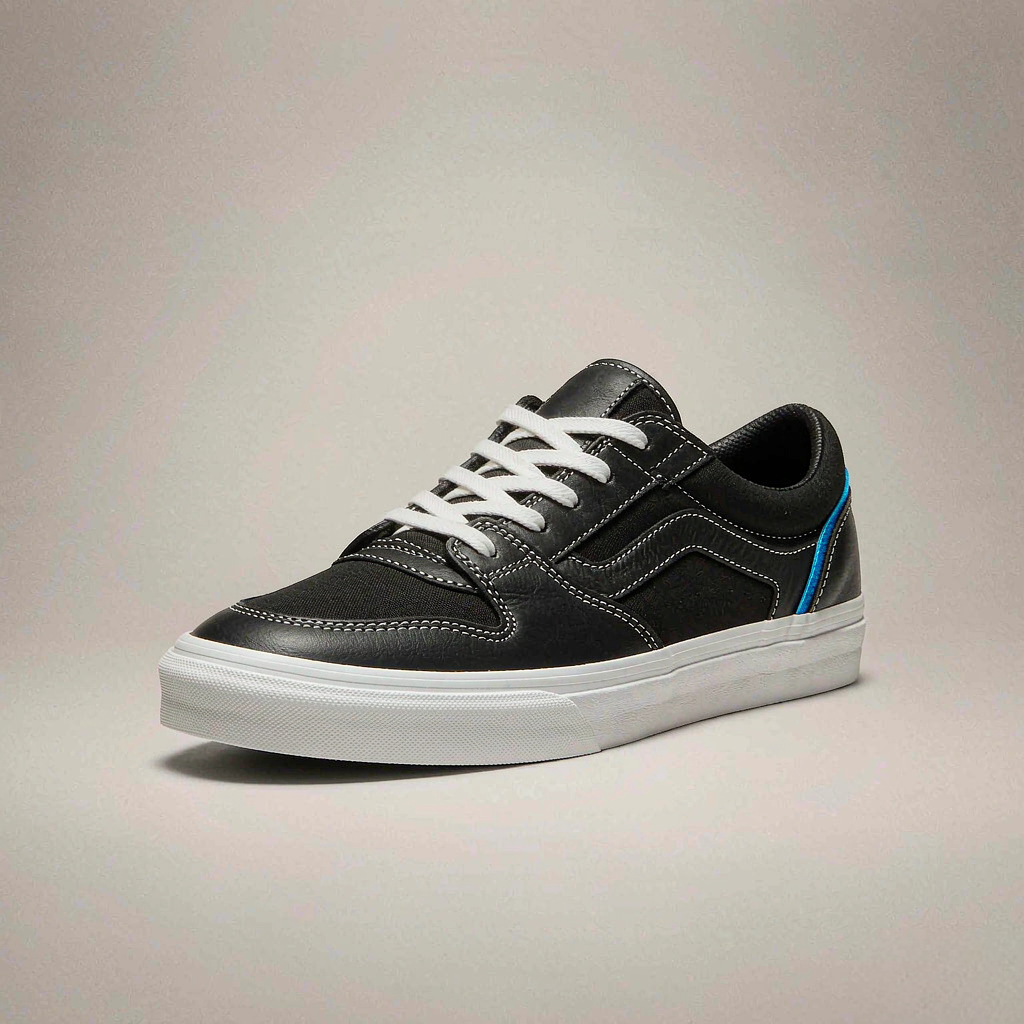
Designing an Outsole: Tread, Rubber Compounds, and What You Can Actually Customize
The outsole is the first part customers touch when the box opens, and the first part your budget touches when tooling starts. Everyone sketches a tread. Fewer new brands realize that tread is carved into a mold, cut per size, before a single pair exists.
A custom sneaker outsole is a tooling project before it is a design project. This guide covers what an outsole is, how tread and compounds shape grip and wear, what you can change on an existing mold versus a new one, and how those choices move your minimums.
First, What an Outsole Actually Is
An outsole is the bottom component that meets the ground. Think of it in three layers:
The tread. The ground-contact pattern — herringbone, waffle, lugs, or a flat face with fine slits. It lives in the mold, which matters later.
The compound. The rubber recipe: which base rubbers, how soft or hard, what color, whether it carries regrind speckles.
The sidewall and wraps. How far the rubber climbs the shoe and how the edge reads from the side.
One footnote that confuses product pages everywhere: not every sneaker has a rubber outsole. Some constructions mold the midsole and outsole as one EVA piece — lighter and cheaper, and faster to wear out. Rubber for grip and wear resistance; foam for lightness and price.
Tread Design: Where Style Meets Mold
Tread is the branding surface nobody charges extra for: a logo molded into it shows up in every photo of the pair face-down. It is also where design ambitions meet physics. Deep lugs shed mud and grip loose ground; shallow, fine patterns read cleaner on pavement; herringbone has stayed in production for decades because it works. Wider channels handle water better than tight lines that trap it. Soft, thin rubber grips more and wears faster.
The hard constraint: on a stock mold, tread is fixed. You cannot restyle a pattern already cut into steel. A different tread means a new mold — and a mold is cut per size. That single fact is why a new tread is a tooling project, not a design tweak.
Rubber Compounds Without the Chemistry Degree
You will not write a rubber formula, but compound choices do land on your desk. Natural rubber and synthetic blends dominate outsoles, with softness tuned to the shoe's job — a court shoe and a skate shoe want different feels. Carbon-loaded black compounds are traditionally favored for wear resistance; gum and translucent looks are distinctive and show aging sooner; colored compounds open the colorway game. Speckled regrind compounds are worth asking about if a speckle fits your story.
The honest summary: compounds change how the sole feels and ages, but not the mold. That makes them a low-cost lever.
What You Can Actually Customize
Here is the ladder, from cheap to serious.
Lever | What changes | Cost and timeline | Works well for |
|---|---|---|---|
Compound color | The look of the sole, and the colorway story | Low; runs on the existing mold | Fresh drops and first colorways |
Compound and hardness | Grip and wear feel for the shoe's use case | Low to moderate | Court, street, or trail positioning |
Branding in an existing cavity | A logo where the mold has open space, or a small insert | Moderate | Signature details without new tooling |
Limited mold modification | Small geometry tweaks, where technically possible | Moderate, and not always feasible | Fine-tuning a shape you almost love |
A new outsole mold | Your own tread and sole silhouette | A significant tooling cost in a first project; cut per size | When the sole is the design |
The pattern: everything except a new mold runs on tooling the factory already owns. And a mold is not one object — a full size run means a set of molds, one per size, with half sizes multiplying the count again. Aluminum tooling is cheaper for testing and small runs; steel suits many re-runs. Ask which is quoted. Ownership and storage are contract matters too: who keeps the mold and what happens if you move production later. Put it in writing — a mold you cannot access is not an asset.
On minimums, here is our position, in our own words: "MOQs depend on the product and factory. Tell us what you need and we confirm what is realistic before you commit to anything." A new mold pushes realistic minimums up, because tooling cost divides across the run; an existing mold with your color barely moves them. To understand that math, read our breakdown of shoe MOQs in Jinjiang.
Choosing the Right Level of Custom
A practical sequence for a first drop:
1. List what customers must notice in photos and in hand. If it's the tread, budget for tooling; if it's the colorway or sidewall, you have cheaper options.
2. Shortlist existing molds the factory already runs, and ask for photos of soles as-made, not just CAD.
3. Change only what carries your identity. One custom element done well beats three half-customized ones.
4. Wear-test before bulk. Grip and comfort are felt, not specified on paper.
The honest trade: a custom sole is a statement, and the line item most likely to sink a first-time budget. Build drop one on molds that exist — a point our guide to sneaker manufacturing in Quanzhou covers from the factory side — and tool the sole when volume and brand justify it.
Where GlobalSala Fits
GlobalSala is a footwear development and manufacturing partner based in Quanzhou, Fujian, working across the region's factory belt — Quanzhou and neighboring Jinjiang. Footwear is the only category we work in: concept development, tech packs, factory matching, sample follow-up, bulk production management, pre-shipment inspection, and export handling.
Outsole decisions sit at the crossroads of design and tooling budget — exactly where a development partner earns its keep, matching your tread and compound intent to molds that exist, and saying plainly when tooling is the honest answer.
FAQ
Can I put my logo on a sneaker outsole? Often, yes — three routes. If the existing mold has open area, a logo can be added; an insert can carry it; or a new mold can build it into the design. Ask which route fits your mold and volume.
How much does a custom sneaker outsole cost? It depends on whether you need new tooling, how many sizes it covers, and its complexity. Compound and color changes on an existing mold cost little; a new mold for a full size run is the serious spend. Get a written quote before committing.
How can I lower outsole tooling costs on a first run? Reuse an existing mold and put your identity into compound color or branding. Keep the size range tight, since every size needs its own tooling. Confirm mold ownership in writing so your next run starts on the same tooling, not a new invoice.
If you want this applied to your own line, tell us what you are developing — spec to bulk, one contact.
