
Sourcing Guides
Custom Colorways: Sampling, Color Matching, and Cost Drivers for Limited Editions
Custom sneaker colorways explained: sampling, color matching, and cost drivers for limited runs.
Custom Colorways: Sampling, Color Matching, and Cost Drivers for Limited Editions
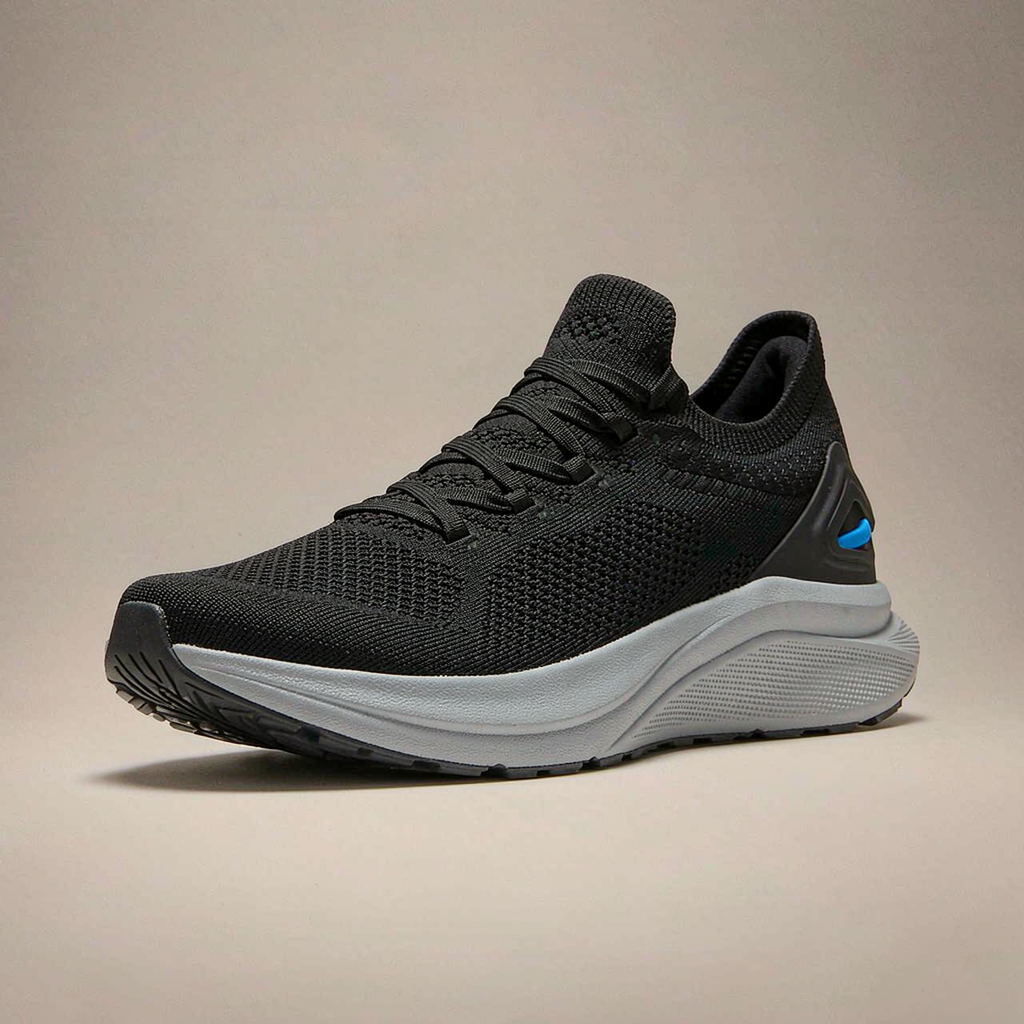
For an independent streetwear brand, the drop lives or dies on its color. Fans who scroll past a general-release silhouette will chase the same shoe in the right two-tone — which is why custom sneaker colorways sit near the top of the list when first-time founders come to us, and where expectations collide hardest with factory reality. A color that looks perfect on your mood board can shift several times before it reaches a shoebox: once in the material, once in the sample, once across a production batch. This guide walks the full path — color spec, sampling, matching, cost, and quality checks — so a limited edition ships in the color you actually designed.
Start With a Color Spec, Not a Mood Board
A mood board tells a factory what you're feeling. A color spec tells it what to make.
Pantone references are the shared language, but use them precisely:
TCX swatches for knits, meshes, and textiles — dyed cotton chips that behave closest to the real material.
Coated paper or solid chips for leather finishes, coatings, and painted parts.
Physical references — a lace, a midsole scrap, a sample from a past project — alongside the Pantone numbers.
Then organize the spec by shoe part, not by vibe: upper, overlays, lining, laces, eyelets, midsole, outsole, logo. For each part, list the material, the color reference, and the finish — matte, gloss, tumbled, brushed. Two parts can share a Pantone number and still need different instructions, because a gloss part and a matte part never read as the same color.
One page per colorway is enough. The goal: anyone in the factory, and anyone on your team, can rebuild the same decisions without you in the room.
How Colorway Sampling Works, Round by Round
Sampling happens at the material level first and the shoe level second. Jumping straight to a full sample is the classic first-timer mistake — if the midsole paint is wrong, you've paid for an entire shoe to find out.
A typical sequence:
1. Color submissions per material. The factory dyes or coats swatches of your actual materials — a leather chip, a knit patch, a painted midsole disc — against your references.
2. Written approval, material by material. Each swatch gets approved in writing. Verbal sign-offs and "looks good" in a group chat are how color disputes start.
3. First full prototype. Approved materials go into a complete sample shoe. Now you're judging combinations, not colors in isolation — how an overlay reads against the midsole, whether the lining shows where it shouldn't.
4. Correction rounds. Every round comes back with a written list of what changed and what stayed.
5. Confirmation sample, sealed. The approved sample is sealed and kept by both sides. That sealed sample judges everything that follows.
Expect several rounds before confirmation. That's the process working, not failing.
Why the Same Color Looks Different on Every Material
Here's the part nobody warns you about: approving a color chip does not mean the shoe will look like the chip. Color is reflected light, and every material bounces light differently.
Smooth leather takes pigment finishes evenly and reads closest to its reference — but a gloss finish always looks deeper than the same color in matte.
Suede and nubuck have a nap that scatters light, so colors read flatter and slightly darker, and dye lots shift between material rolls.
Knit and mesh absorb dye unevenly; thin sections and thick yarns take color differently, so printed color sits *on* the fabric while dyed color lives *in* it.
Foam midsoles are either mixed into the compound or sprayed after molding — two processes that can land two different tones of "the same" color.
This is also why approving color from a screen is a trap. Screens emit light; materials reflect it. Photos compress hue, and a render will flatter any colorway into looking cohesive. Approve physical swatches in hand, under natural light near a window — not under warm showroom LEDs or a phone flash. And if a color has to work across very different materials, approve all of those materials together on one sample, never one at a time.
The Real Cost Drivers Behind Custom Sneaker Colorways
Every colorway in a run is effectively its own small production project. Even when two colorways share a silhouette and most materials, each one needs its own dye lots for the parts that differ, its own laces, trims, and hardware in the right colors, its own sampling rounds and approvals, and its own changeovers on the line — different uppers staged, different midsole batches mixed and sprayed, different boxes if packaging carries the colorway name.
That last item is the one brands underestimate. Factories earn their efficiency on run length: a line making the same shoe all day gets fast, and every stop to switch color costs setup time and raises the odds of early-batch errors. The same total volume concentrated in one or two colorways will almost always come together more smoothly than the same volume sliced across six. That doesn't mean six is wrong — limited colorways are the point of a drop. It means the per-pair cost of a short-run colorway is structurally higher, and both your run size and your retail price should be planned with that in mind.
For how run size and changeovers shape the factory's side of the equation, see our guide to Quanzhou sneaker manufacturing.
Quality Checks Limited Colorways Can't Skip
Color defects rarely announce themselves. They show up as a pair that *almost* matches — exactly what a rushed check misses.
The manual checks that matter for limited colorways:
Batch against sealed sample. Every production batch is compared by eye with the sealed confirmation sample, side by side in natural light. A new material roll or dye lot introduced mid-run is where color most often drifts.
Left against right. The two shoes in a pair are checked against each other, because uppers cut from different material pieces are how mismatched pairs happen.
Part against part. Laces against upper, lining against overlay, logo against the panel it sits on. Trims are usually sourced separately, so they drift first.
None of this needs a lab. It needs a defined standard — the sealed sample — a defined light — daylight — and someone who actually looks. Final inspection follows AQL if/when agreed between buyer and supplier. The colorway tolerances themselves are worth agreeing in writing before production starts, so "close enough" isn't being decided on the packing floor at midnight.
Common failure | Why it happens | How to prevent it |
|---|---|---|
Left and right shoes don't match | Upper pieces cut from different material lots | Freeze approved lots with the factory and check pairs side by side during assembly |
Color drifts partway through the run | A new dye lot or foam batch enters production mid-run | Re-check the first pairs of every new batch against the sealed sample |
Laces or logo don't match the upper | Trims sourced separately from upper materials | Put every trim in the same color spec and approve its swatch in the same round |
Midsole tone clashes with the upper | Foam and upper are colored by different processes | Approve upper and midsole together on one full sample, never separately |
Naming and Storytelling: The Part That Sells the Shoe
Sneaker culture treats colorway names as canon; a good name can carry a drop the way a silhouette never could. For an independent brand, naming is also the cheapest storytelling asset you own — and it only works if it's consistent.
The colorway name should match word for word on the hangtag, the box label, the product page, and the spec sheet.
Product photography should be shot from the approved confirmation sample, not a render — buyers will eventually compare.
If the drop story says "inspired by the harbor at 6 a.m.," let the color names echo that language. The factory doesn't need the poetry, but your packaging and copy will feel coherent because one person wrote both.
The story doesn't change what gets made. It changes what people think they're buying — and with limited colorways, that gap is the entire margin.
How We Manage Colorways
We're GlobalSala, a footwear development and manufacturing partner based in Quanzhou, Fujian, and colorways are a routine part of our development work, not a special case. In practice: we turn your references into a part-by-part color spec, push material-level submissions through sampling round by round, keep every written approval on file, and check finished pairs by hand against the sealed sample before anything ships. When a color isn't reachable the way you pictured it, you hear that at the swatch stage — not after the run.
If you're mapping a limited colorway drop, start with our footwear sourcing overview, then bring us the colorway you have in mind. We'll tell you what's realistic before you commit to anything.
FAQ
Can a factory match a Pantone color exactly?
Not across every material. Pantone is the starting reference, but dye uptake, nap, gloss, and foam mixing all shift the final result. The realistic goal is a color you've approved in person, per material and per part — which is exactly why colorway sampling exists. Treat the Pantone number as the brief, not the finish line.
How many colorways should a first limited run include?
There's no fixed rule, but every added colorway multiplies sampling rounds, changeovers, and quality checks. A workable first-drop pattern is one or two colorways done properly, then expanding once you've seen how the factory handles the first run. Concentrated volume generally improves both consistency and cost.
What are the MOQs for custom sneaker colorways?
Our standing answer: "MOQs depend on the product and factory. Tell us what you need and we confirm what is realistic before you commit to anything." A new colorway on an existing construction usually carries different minimums from a fully custom build, which is why the answer starts with your design, not a number.
How many sampling rounds does a custom colorway need?
Usually more than one. Material-level submissions come first, then a full prototype, then corrections, then the sealed confirmation sample. Timelines stretch when one colorway crosses very different materials — a dyed knit with a painted midsole, for example — because each process moves at its own pace. Build your calendar around the confirmation sample, not the first prototype.
