
Industry Insights
Design for Manufacturing: Designing Sneakers Factories Can Actually Build
Design for manufacturing for sneakers—how DFM thinking at design stage prevents sampling failures, cost creep, and production surprises.
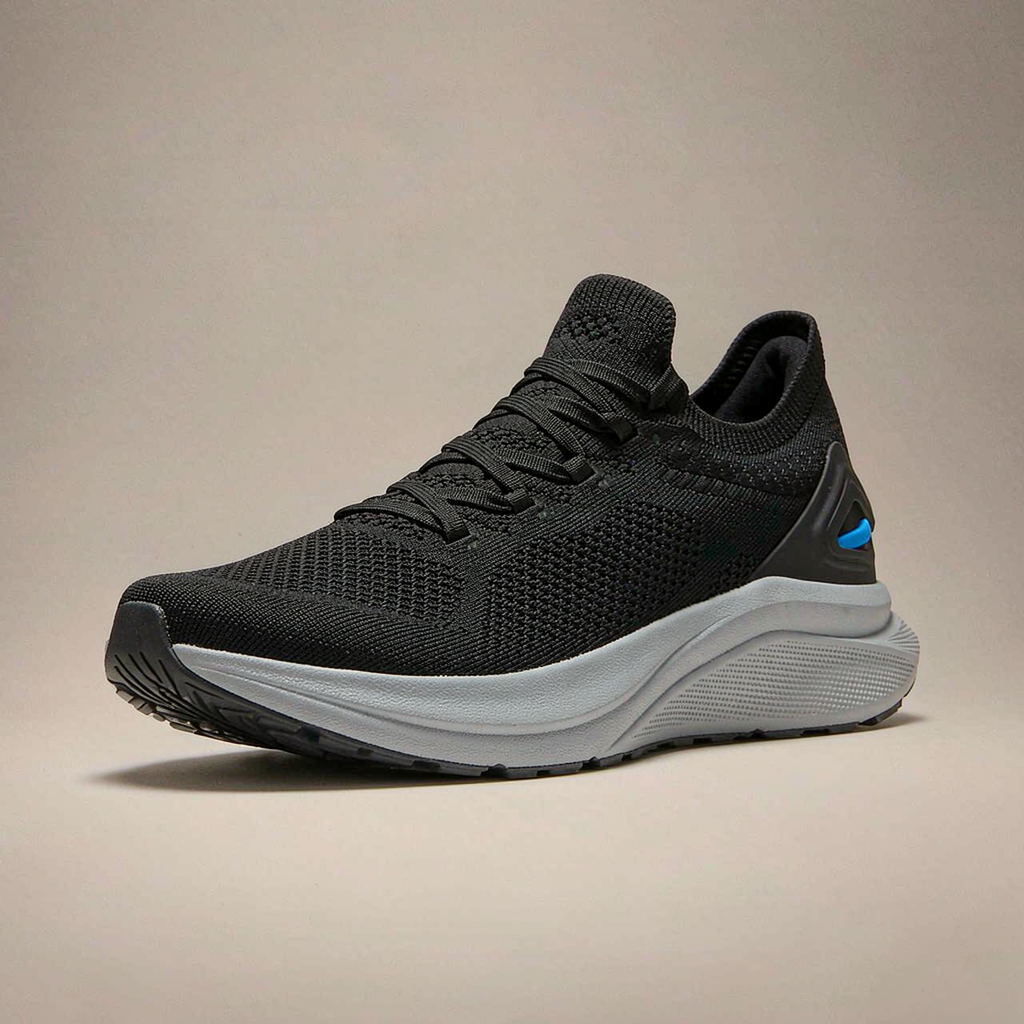
# Design for Manufacturing: Designing Sneakers Factories Can Actually Build
Most sneaker development problems are not manufacturing failures—they are design decisions that ignored manufacturing. The panel that cannot lie flat on the last, the material mix that no cement system loves, the sole geometry that short-fills in the mold: each was drawn beautifully and built expensively. Design for manufacturing (DFM) is the discipline of closing that gap at design time, when changes cost nothing, instead of at sampling, when they cost rounds. This guide covers the DFM principles that matter for sneakers and how to apply them without flattening your design's ambition.
What DFM Actually Means in Footwear
DFM is not designing conservatively. It is designing *with knowledge of the process*: understanding what the lasting machine, the cementing line, the mold press, and the stitchers can do reliably—and drawing inside those envelopes when it matters, outside them only on purpose.
The alternative shows up as a familiar sample-round pattern: design arrives, factory interprets, sample returns wrong, blame circulates, rounds multiply. Each cycle is a DFM debt being paid at sampling rates. Paid at design rates—sketch corrections, material swaps on paper—the same issues cost almost nothing.
The DFM Checklist by Component
Upper and panels:
• Panels must lie on the last's curvature without stretching material beyond its capability—wrinkles and pulled seams are geometry debts.
• Seam placements should sit where machines sew comfortably; seams across tight convex curves invite puckering.
• Material stretch direction drawn into the panel map (our pattern making guide covers the mechanics).
• Overlays and prints kept off the deepest flex creases unless the material system is proven there.
Sole unit:
• Tread and sidewall geometry with draft angles—mold releases need them; vertical walls and knife edges short-fill and wear.
• Wall thickness within the process's reliable range; extreme thin sections are injection's specialty, not compression's.
• Undercuts flagged: every undercut costs tooling complexity or design compromise—choose knowingly.
Assembly:
• Bond interfaces designed for cement access and surface treatment; a bond line a roller can't reach is a bond that fails.
• Stitch lines positioned for machine access—inside tight toe geometry, some stitches are hand-work, and hand-work is cost plus inconsistency.
• Component count honest: every additional component is labor, inventory, and a QC point.
None of this forbids ambitious design. It prices ambition correctly: an undercut chosen for the silhouette's signature is a design decision; an undercut nobody noticed is a production surprise.
The Material-Process Pairing Rule
Many DFM failures are material decisions made without their process consequences:
Design choice / Process consequence / DFM move
• Thick multi-layer stacks — Longer pressing, more adhesive interfaces — Confirm the factory runs this stack routinely
• Mesh-to-leather transitions — Different cement systems meeting — Design a transition panel or proven bond recipe
• Very soft foams in structural zones — Foam that needs a plate or shank — Spec structure with the softness
• Coated materials at lasting edges — Coating cracks at the tuck — Design fold zones in uncoated or reinforced stock
• Translucent soles — Show every molding imperfection — Budget tighter mold quality and QC for transparency
The rule: every material choice carries a process question, and the question is cheapest at design time. Ask "who runs this pairing routinely?" before the sample round—our supplier verification guidance treats that question as a core capability probe.
The Economics DFM Improves
DFM's savings concentrate in four places:
1. Sample rounds. Process-aware designs converge in fewer rounds—the single largest schedule lever for a first project.
2. Unit cost. Fewer operations, higher cutting yields, reliable machine speeds: DFM-designed shoes are genuinely cheaper to build, which flows straight into margin.
3. Quality consistency. Designs within process envelopes produce fewer borderline pairs—the defects that pass sampling and fail at scale.
4. Scrap and rework. Material-friendly panel maps cut better; last-friendly geometry lasts cleaner. Less waste at every station.
The compounding effect matters more than any single line: a DFM-clean design samples faster, costs less, and inspects cleaner—three currencies at once.
Working DFM Into Your Workflow
The practical integration, without hiring a manufacturing engineer:
Design stage. Reference-proven construction: borrow structural patterns from shoes that exist and are produced at your target quality level. Innovation in materials and color; proven bones.
Before sampling. A DFM review conversation with the factory (or your technical partner): walk the design and ask three questions per component—Can this be machine-done? Is this material pairing routine for you? Where will this stress the process? Answers feed the tech pack as construction notes.
At sample review. Read sample defects as geometry messages, not just aesthetic misses: wrinkles say the panel fights the last; bond failures say the interface needs redesign. Fixing causes beats fixing instances.
Through production. Watch where the line struggles—stations with rework are DFM feedback in real time, and they belong in the design file for the next model.
DFM with a Manufacturing Partner
DFM is a conversation between design intent and process reality, and it needs both voices in the room. From the Fujian belt we run that conversation at design time—reviewing new designs against factory process envelopes before sampling, translating design ambitions into construction notes, and feeding line feedback back into design files. Our shoe factory production process guide shows the process realities these conversations respect, and our how to develop a sneaker guide places DFM in the full sequence.
On minimums: "MOQs depend on the product and factory. Tell us what you need and we confirm what is realistic before you commit to anything."
FAQ
Does design for manufacturing limit creativity? It prices creativity correctly. Proven construction, innovative materials and color: that combination ships ambitious designs without process surprises. DFM limits what hasn't been validated—not ambition itself. The brands that seem endlessly creative and reliably productive are usually the most disciplined about which layer carries the innovation.
What is the most common DFM mistake in sneaker design? Panel geometry that fights the last—panels drawn flat and beautiful that cannot lie on the last's curvature without wrinkling or pulled seams. It is invisible in renders, obvious on the first lasted sample, and entirely preventable with a mean-form review at design time.
When should I involve the factory in design review? Before the first sample round, not after it: a DFM conversation walking the design—can this be machine-done, is this material pairing routine, where does this stress the process? Every issue caught there costs a sketch change; the same issue caught in sampling costs a round.
How does DFM reduce unit cost? Fewer operations (each is labor), higher cutting yields (material-friendly panel maps), reliable machine speeds (no hand-work workarounds), and less scrap and rework. The savings compound across the bill of materials and the assembly sequence—which is why process-aware designs quote lower than identical-looking process-hostile ones.
