
Sourcing Guides
Duffel Bag Capacity and Material Selection: Matching the Bag to the Trip
Duffel bags range from 30L gym bags to 120L expedition duffels. How to match capacity and material to the trip type — and what factories need to know to quote accurately.
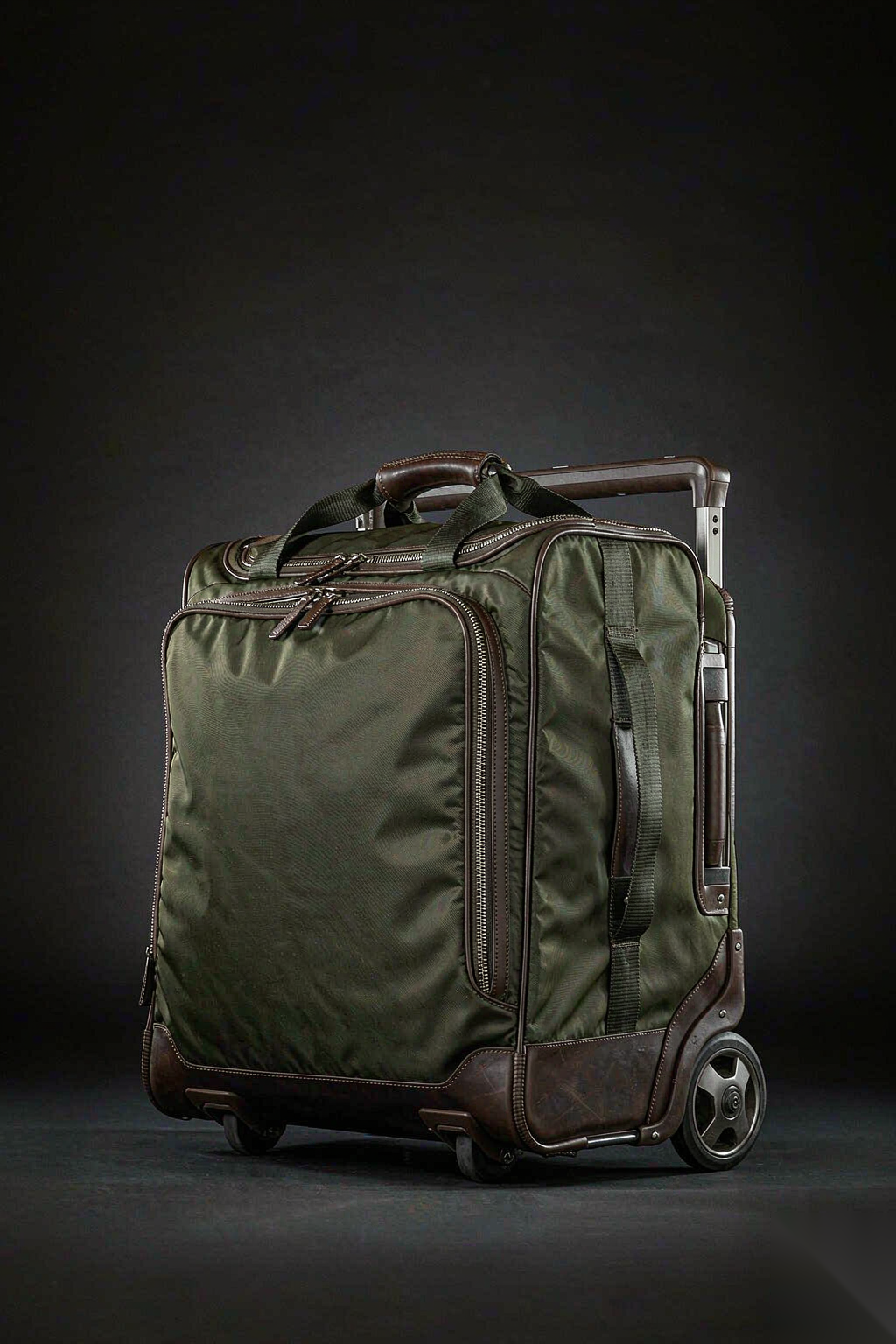
Duffel bags span the widest capacity range in the bag category — from 30-liter gym bags to 120-liter expedition duffels — and the capacity decision drives every other spec: material weight, handle reinforcement, zipper class, and cost. Duffel bag capacity and material selection is therefore a matching exercise: the trip type determines the capacity, the capacity determines the material, and the material determines the factory. Here is how the matching works.
The Capacity Ladder
Duffel bags cluster into five capacity classes, each with a distinct trip type:
Capacity | Trip Type | Key Development Focus |
|---|---|---|
30-45L | Gym, weekend, overnight | Ventilation, wet zones, weight |
50-70L | Short trips, sports gear | Durability, organization, carry comfort |
80-100L | Extended travel, expedition | Structural integrity, handle reinforcement, compression |
100-120L | Group gear, equipment transport | Extreme reinforcement, hauling points, weather resistance |
120L+ | Specialty (dive gear, expeditions) | Custom construction, heavy-duty everything |
The capacity decision is the first question to answer — it determines everything downstream. A 40-liter gym duffel and a 100-liter expedition duffel are different products with different factories, different materials, and different development processes.
Material Matching by Capacity Class
The material spec follows the capacity — heavier loads demand tougher materials:
30-45L (Gym / Weekend)
Shell: 600D polyester with PU coating — light, wipeable, abrasion-tolerant
Base: Reinforced or double-layer for floor contact
Lining: Coated interior for moisture management
Zippers: #8 coil, auto-lock slider
50-70L (Short Trips / Sports)
Shell: 600D-1000D polyester or nylon
Base: Heavy-duty 1000D-class or TPU laminate
Lining: Full lining with reinforced stress points
Zippers: #10 coil or molded tooth, with storm flap
80-120L (Extended / Expedition)
Shell: 1000D+ TPU-coated nylon or tarpaulin
Base: Double-layer TPU with reinforced corners
Lining: Minimal (the TPU shell IS the barrier)
Zippers: #10 heavy-duty coil or molded, with storm flaps and drainage grommets
The material spec is the cost driver: an 80-liter expedition duffel in TPU costs multiples of a 40-liter gym duffel in coated polyester. The trip type justifies the cost — or doesn't.
The Development Decisions That Follow Capacity
Once capacity and material are set, four development decisions follow:
1. Handle configuration. Small duffels: shoulder strap + grab handles. Large duffels: add backpack straps and end-pull handles. Expedition duffels: add hauling points and tie-down loops.
2. Zipper path. Small duffels: top-opening U-zipper. Large duffels: full-length side-opening D-zipper for easier packing.
3. Reinforcement points. The bar-tack count and webbing spec scale with capacity — a 100-liter loaded duffel puts enormous stress on handle anchors and zipper ends.
4. Compression. Larger duffels benefit from compression straps that reduce the packed volume and stabilize the load.
Each decision is testable on the sample: the loaded carry test, the lift-and-hang test, and the zipper cycling test — the same three tests that govern backpack development specs, applied to the duffel's load profile.
The Factory Match
Duffel factories specialize by capacity class and material:
Volume gym duffel factories run lightweight, coated-polyester construction at high speed — excellent for 30-50L products.
Expedition and technical bag factories handle TPU lamination, welded seams, and heavy-duty hardware — the 80L+ category.
Generalist soft-goods factories cover the middle ground but may not excel at either extreme.
The factory match matters because duffel construction at capacity extremes requires specialized equipment — TPU welding machines, heavy-duty bar-tack machines, and the handling infrastructure for thick materials. A gym duffel factory quoting an expedition duffel is a red flag, and vice versa. Our Quanzhou bag sourcing guide covers the cluster's specialization structure.
MOQs depend on the product and factory. Tell us what you need and we confirm what is realistic before you commit to anything. Capacity and material are the first two questions any factory will ask — have both answers ready and the quotation will be faster and more accurate.
Frequently Asked Questions
What capacity duffel should I develop first?
The 50-70L range covers the broadest market: weekend trips, sports gear, and general travel. It is large enough to demonstrate quality and small enough to keep material costs and MOQs manageable.
Why does material matter more for larger duffels?
The load scales with capacity — a 100-liter loaded duffel can exceed 30 kilograms. The material, the seams, and the hardware all carry that load, and underspecifying any one of them is a structural failure.
Can one duffel design span multiple capacities?
Yes — scaling a proven design up or down is normal development practice. But the material spec scales too: the same 600D polyester that works for a 40-liter bag may not survive at 100 liters with 30 kilograms of gear inside.
What is the most common duffel quality complaint?
Zipper failure under load — the zipper is the bag's longest component and takes the most stress. The zipper spec must scale with capacity: a #8 coil on a 100-liter duffel is underspecified and will fail.
The Takeaway
Duffel bag capacity and material selection is a matching exercise: trip type → capacity → material → factory. Each step narrows the spec, and each spec line is testable on the sample. Match the bag to the trip and the factory to the bag — the rest of the development follows naturally.
