
Industry Insights
Eco-Friendly Bag Materials: What "Sustainable" Actually Means and How to Prove It
"Sustainable" is a claim that requires certification. The eco-friendly material families, their certifications, and how to build a sustainability story that survives scrutiny.
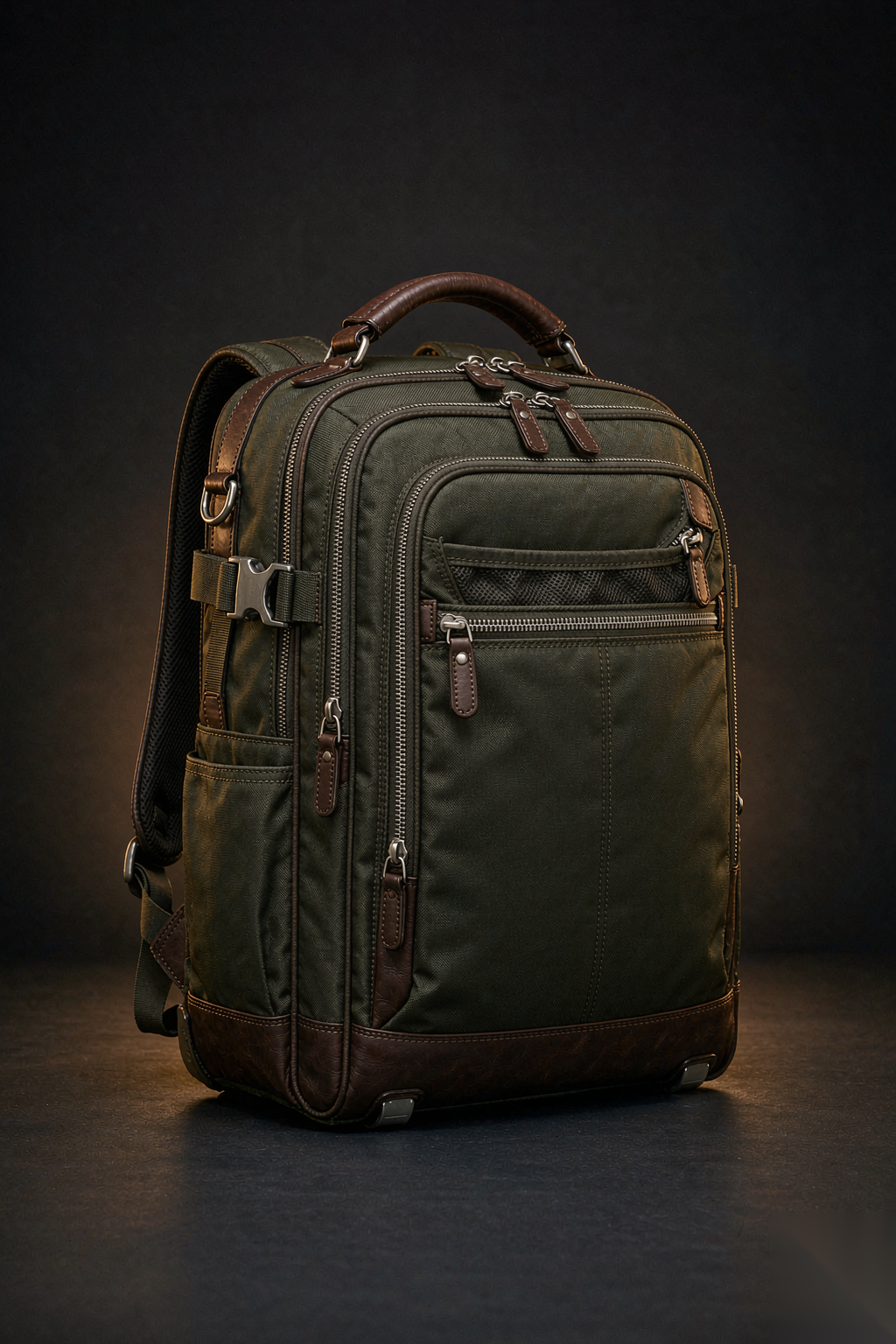
"Sustainable" is the most-used word in the bag industry's marketing — and the least-defined. A bag called sustainable might be made from recycled bottles, organic cotton, mushroom leather, or ocean plastic; it might be certified, self-declared, or simply suggested by the color green. Eco-friendly bag materials are a real and growing category, but the claims require precision: the buyer who cares about sustainability is the buyer who checks the certification. Here are the material families, their certifications, and how to build a sustainability story that survives scrutiny.
The Material Families and Their Certifications
Material | What It Is | Certification | Claim Strength |
|---|---|---|---|
rPET (recycled polyester) | Polyester from post-consumer plastic bottles | GRS (Global Recycled Standard) | Strong — certified chain of custody |
Organic cotton | Cotton grown without synthetic pesticides | GOTS (Global Organic Textile Standard) | Strong — certified from farm to fabric |
Hemp | Natural fiber from hemp plant | Organic certifications available | Strong — low-impact crop |
Piñatex | Leather alternative from pineapple leaf fibers | Self-declared; no universal standard | Moderate — emerging material |
Mushroom leather (Mylo) | Mycelium-based leather alternative | Self-declared; emerging | Moderate — early-stage |
Cork | Bark harvested from cork oak trees | FSC (Forest Stewardship Council) | Strong — renewable harvest |
The certification column is the one that matters: a material with a recognized certification (GRS, GOTS, FSC) can prove its sustainability claim. A material with only a self-declared claim is a marketing narrative that may or may not survive scrutiny.
The rPET Standard: The Most Accessible Sustainable Choice
Recycled polyester with GRS certification is the most accessible sustainable material for bag brands — it performs like standard polyester, it takes color and print well, and the GRS certification provides a documented chain of custody from bottle to bag:
The certification chain. GRS tracks the material from the recycling facility through the spinning mill, the weaver, and the bag factory. Every step is documented, and the final product carries a transaction certificate.
The claim. "Made from X% recycled polyester, GRS certified" — a specific, verifiable claim.
The cost. GRS-certified rPET carries a 10-20% premium over standard polyester — a cost that is easily absorbed into a bag's retail price.
For a brand building its first sustainable line, GRS-certified rPET is the lowest-risk entry point: the material behaves like standard polyester, the certification is recognized globally, and the premium is manageable.
The Emerging Materials: Promise vs Reality
The newer eco-friendly materials — mushroom leather, apple leather, cactus leather — are genuine innovations with real potential. But their readiness for commercial bag production varies:
Durability. Most emerging materials have not been tested through years of daily use — their long-term durability is unknown.
Consistency. Early-stage materials vary between batches more than established fabrics.
Cost. Most emerging materials carry a significant premium over established alternatives.
Supply chain. Production volumes are limited; MOQs may be high and lead times long.
The practical approach: sample the emerging materials, test them for durability and appearance, and include them in a limited edition or premium line — not in the main production run until their durability and supply chain are proven.
The Greenwashing Risk: Claims That Require Proof
Three claims that require certification or specific evidence:
1. "Made from recycled materials." Requires GRS or equivalent certification with a documented chain of custody.
2. "Organic cotton." Requires GOTS certification from the farm through the fabric production.
3. "Biodegradable." Requires a specific standard (EN 13432, ASTM D6400) and a defined timeframe — "biodegradable" without a standard is a claim, not a fact.
The consequence of unsupported claims: consumer protection regulations in the EU and US are tightening on greenwashing. A brand that claims sustainability without certification risks regulatory action and consumer backlash. The safe approach: make only the claims your certification supports, and cite the certification by name.
MOQs depend on the product and factory. Tell us what you need and we confirm what is realistic before you commit to anything. Sustainable material MOQs vary by type — GRS-certified rPET is widely available, while emerging materials may have limited supply and higher minimums.
Frequently Asked Questions
What is the most accessible sustainable material for a first bag line?
GRS-certified recycled polyester — it performs like standard polyester, the certification is globally recognized, and the cost premium is 10-20%. It is the lowest-risk entry point for a brand building a sustainability story.
How do I verify a supplier's sustainability certification?
Ask for the transaction certificate (TC) from the certification body — not a self-declared certificate. The TC lists the certified entity, the material, the percentage, and the transaction date. Cross-check with the certification body's online database.
Can I mix sustainable and conventional materials in one bag?
Yes — many brands use certified rPET for the main body and conventional materials for lesser-visible components. But the sustainability claim should only reference the certified percentage, not the whole bag.
The Takeaway
Eco-friendly bag materials are a real category with real certifications — and a real greenwashing risk for brands that claim without proving. Start with GRS-certified rPET as the accessible entry point, sample the emerging materials for premium lines, and make only the claims your certification supports. The sustainability story that survives scrutiny is the one that builds brand value.
