
Industry Insights
Engineered Mesh Uppers: Structure, Abrasion, and Bonding Basics
Engineered mesh uppers explained—open vs closed mesh, abrasion zones, no-sew overlays, and how to spec mesh that survives real wear.
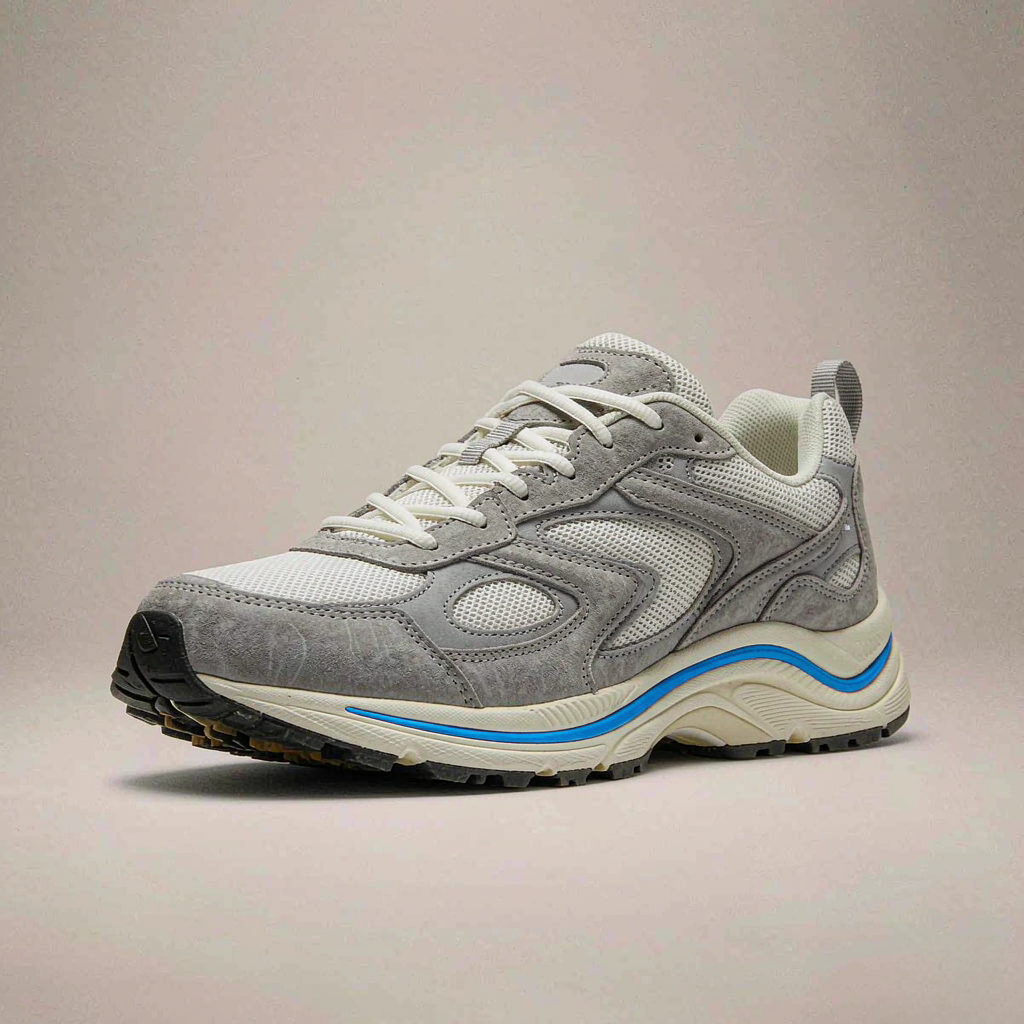
# Engineered Mesh Uppers: Structure, Abrasion, and Bonding Basics
Mesh made running shoes light; engineered mesh is what made them look designed. Instead of cutting panels from flat fabric, engineered mesh knits the upper as zones—open weave where ventilation matters, tight weave where structure does, pattern built into the fabric itself. It is now the default language of performance-casual sneakers, and also the material whose quality differences are least understood by new brands: two mesh uppers can look nearly identical in photos and behave nothing alike after a month of wear. This guide covers the structure, the failure modes, and the spec language that keeps engineered mesh honest.
What "Engineered" Adds to Mesh
Plain mesh is a fabric bought by the meter and cut like any other material. Engineered mesh is knitted to a program: the machine varies stitch density, structure, and yarn across the width as it knits, producing a single fabric whose zones differ on purpose.
The zoning vocabulary you will encounter:
• Open knit zones — large apertures for airflow; used on midfoot and vamp panels where breathability leads.
• Tight or flat-knit zones — dense structure for eyestays, quarter panels, and anywhere the lacing loads the fabric.
• Terry or padded zones — looped pile at the collar and tongue for comfort against skin.
• Integrated structure — ribs and channels knitted in, replacing some cut-and-sew reinforcement.
The value for a small brand is real but often miscounted: engineered mesh removes stitches (fewer operations, fewer seam failure points) and gives a continuous look, but it does not remove cost automatically—programming, yarn selection, and knitting time price into the fabric. On simple designs it can cost more than cut-and-sew mesh; the win is in the aesthetic continuity and the reduced seam count.
The Abrasion Problem Every Mesh Shoe Shares
Mesh's weakness is structural honesty: open knit is thin yarn over air. Wherever a mesh upper meets the world—toe drag, lace pressure, heel counters rubbing—abrasion decides the shoe's lifespan. Quality engineered mesh manages this with overlays and zone planning:
• No-sew film overlays. Thin TPU or PU film heat-bonded over high-wear zones—toe box edges, eyestay rows, heel counters. Bonded overlays add abrasion resistance without stitch bulk, but their adhesive is a quality variable: poorly bonded film lifts at the edges within weeks.
• Yarn choice. Polyester dominates for abrasion and colorfastness; nylon variants add strength at cost. Recycled polyester (rPET) is now standard-offering at most factories and barely a cost premium.
• Density mapping. The design decision that matters most: is every high-wear zone covered by either a tight knit or an overlay? Open knit on an eyestay is a warranty claim waiting to happen.
This is why our upper material QC guide treats engineered mesh as a zoned material, not a fabric: each zone has a job, and inspection checks each job's coverage.
Bonding: The Quiet Quality Divider
Engineered mesh shoes are assembled with more bonding and less stitching than traditional builds, which moves quality risk into the adhesive work:
Bonded element / What goes wrong when done cheaply / What to check on samples
• No-sew overlays — Edge lift, delamination after flex cycles — Rub the overlay edge; flex the zone 30 times
• Tongue branding — Peeling logos — Same edge-rub check
• Collar foam lamination — Lumps, separation — Squeeze the collar; feel for voids
• Reinforcement patches — Stiff patches detaching — Flex the patch zone repeatedly
Bonding quality is invisible in photos and obvious in hand. It is also exactly the kind of thing factory discipline decides: oven temperatures, adhesive batches, and operator consistency. When comparing factories, ask to see bonded-zone samples from previous bulk production—not just their showroom best.
How to Spec an Engineered Mesh Upper
A workable spec speaks zone by zone:
1. Zone map. Which zones are open knit, tight knit, terry, or overlay-covered—annotated on the design or a reference sample.
2. Yarn and weight. Polyester (or rPET), fabric weight in g/m² per zone; heavier is stronger, lighter breathes, zones can differ.
3. Aperture size. The visual openness of open zones, approved against a physical swatch—photos lie about mesh more than any other material.
4. Overlay schedule. Which zones get film overlays, film thickness, and edge treatment.
5. Colorfastness and abrasion requirements — per agreed test methods if/when agreed between buyer and supplier.
6. Golden sample reference. Bulk fabric and bonding compared against the approved sample, zone by zone.
One practical note: engineered mesh is knitted on programmed machines, and small brands rarely occupy enough machine time to justify custom programs on a first model. Factories with existing program libraries can adapt base programs to your zoning—a legitimate approach for a first release, with fully custom programs reserved for flagship models once volumes justify the setup.
What Good Looks Like on the Sample Table
When the first engineered mesh samples arrive, check the short list:
• Zone boundaries crisp and aligned left-to-right pair-to-pair (lazy programming shows as drifting zones).
• Overlay edges fully bonded—no corner lift when rubbed.
• Open-knit zones uniform in aperture; loose or skipped stitches absent.
• Collar and tongue padding even, bonded without lumps.
• Color depth consistent between pairs.
Most findings at this stage are fixable in one knitting-program or bonding-parameter correction—which is why engineered mesh samples deserve one extra round of patience before bulk.
Developing Mesh Uppers with a Manufacturing Partner
Engineered mesh concentrates supplier capability: the knitting programming, the yarn sourcing, and the bonding ovens usually sit with specific factories rather than the whole market. We work from the Quanzhou–Jinjiang belt's knit specialists, match a design's zone map to factories whose programs fit, review first samples zone by zone, and verify bonding quality on bulk goods before shipment. Our how to develop a sneaker guide shows where upper development sits in the full sequence, and sneaker performance tech covers how mesh interacts with the rest of the performance package.
On minimums: "MOQs depend on the product and factory. Tell us what you need and we confirm what is realistic before you commit to anything."
FAQ
Is engineered mesh more expensive than regular mesh? Often yes for small brands: programming, knitting time, and yarn choice price into the fabric, and small orders pay the setup. The value is fewer stitched seams, a continuous design language, and zoned performance—worth it for signature models; plain cut-and-sew mesh remains the budget-honest choice elsewhere.
Why does mesh wear out at the toe first? Toe drag concentrates abrasion on whatever material sits there. On well-designed mesh uppers, a no-sew film overlay or tight-knit zone covers the toe; on careless designs, open knit sits unprotected and wears through first. Check the zone map—and the sample—before bulk.
What is a no-sew overlay? A thin TPU or PU film heat-bonded onto the mesh instead of sewn, adding abrasion resistance and visual structure without stitch bulk. Quality lives in the bonding: edges must survive repeated flexing without lifting. Rub the edges and flex the zone on every sample round.
Can recycled mesh match virgin polyester quality? Modern rPET yarns perform close to virgin polyester for footwear uppers, and most factories offer them as standard options at modest cost. As with any material, approve on physical swatches and require bulk to match the approved sample—recycled status does not change the checking routine.
