
Quality & Inspection
Footwear Labeling and Compliance Basics: What Must Be on the Shoe
Footwear labeling and compliance basics—composition labels, size labels, origin marking, care instructions, and per-market requirements to check before production.
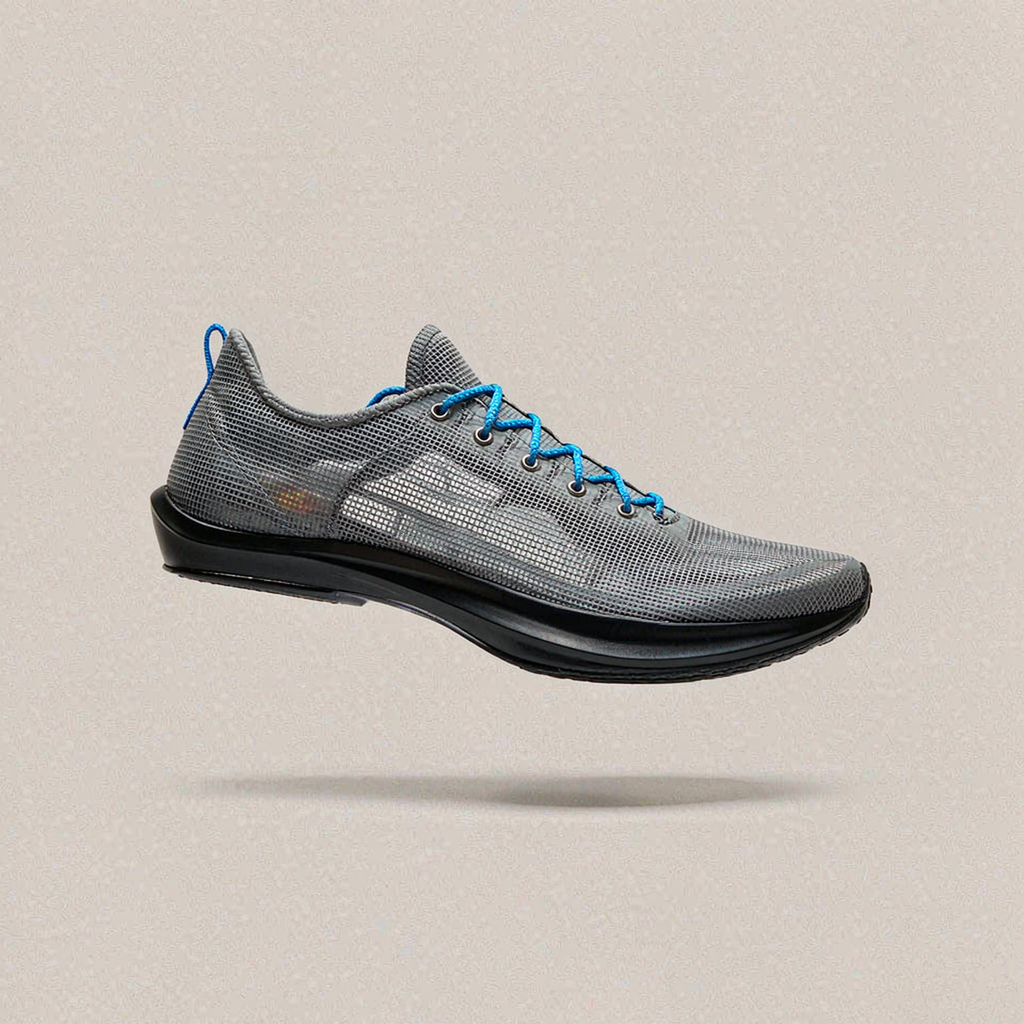
# Footwear Labeling and Compliance Basics: What Must Be on the Shoe
Labeling is the smallest text on a sneaker and the only part regulated by governments. Composition declarations, origin marking, size labeling—each destination market has requirements, and non-compliant goods get detained, relabeled at cost, or returned. The compounding problem: labeling requirements are decided at *production* (labels are printed, sewn, and boxed in the factory) but enforced at *customs and retail*—so the mistake ships thousands of kilometers before anyone can see it. This guide covers the labeling layers, the common requirements across major markets, and the process that keeps compliance decided before production instead of discovered after shipment.
The Labeling Layers
Footwear compliance text lives in four places:
Layer / What it carries / Where it lives
• Shoe labels — Composition, size, origin, brand — Sewn or printed inside the shoe; on the tongue or quarter
• Footbed/insole marks — Size, brand, sometimes origin — Printed or embossed on the insole
• Retail box labels — Size, colorway, SKU, origin, barcode — On the packaging
• Hangtags — Market-required declarations, care, material claims — Attached per market requirements
Each layer serves different readers: customs officers check origin and declared value at the box; retailers check size and SKU at receiving; consumers check composition and care at purchase. A compliant system serves all three—consistently, because inconsistency between layers is itself a red flag customs notices.
Composition Labeling: The Three-Material Convention
The most technically specific requirement: many markets require footwear composition declared by the three main material components—upper, lining and sock, and outsole—each expressed by material and percentage. The convention traces to labeling regulations in major markets (the EU's footwear labeling directive is the template others follow or diverge from):
• Upper: e.g., "Textile 80% / Synthetic 20%"
• Lining and sock: e.g., "Textile 100%"
• Outsole: e.g., "Rubber 100%"
The declarations derive from your actual material specifications—which is why the BOM's accuracy is a compliance matter, not just a production one. The label must match the shoe; substituting materials without updating labels is the classic compliance failure our material QC discipline prevents upstream.
Label placement and format requirements (symbols vs text, minimum information, durability of the label itself) vary by market—the destination's current requirements are confirmed with the broker or market representative before label printing, not assumed from memory or from another product's labels.
Origin Marking
"Made in China" (or wherever production happens) is required marking in most major markets, with placement and format rules per destination. The rules are simple and strictly enforced:
• Truthful country of origin — where the shoes were manufactured. Origin rules can have nuance (substantial transformation standards for multi-country production), but for Fujian-produced sneakers the answer is direct.
• Placement per market convention — typically on the shoe label and/or footbed, plus required on import documentation per our customs guidance.
• Consistency with documents — the origin declared on labels must match the origin declared at customs; mismatches invite detention.
Origin marking is also a brand-honesty issue: customers read it, and it belongs in your storytelling honestly rather than buried reluctantly.
Size Labeling
Size labels must serve the destination market's conventions—our sizing guidance covers the measurement truth; compliance adds the label rules:
• The market's scale (US, UK, EU, or JP/cm) labeled as the market expects—mismatched scale labels are a receiving and consumer complaint generator.
• Where required, dual or multiple scales on one label serve international goods.
• Consistency with the size chart published on your channels—the label's claim and the website's claim must agree, or the gap converts to returns and disputes.
Care Instructions and Material Claims
Beyond the mandatory layers, two voluntary-but-consequential text areas:
Care instructions. Not always mandatory, but materially protective: care labels reduce damage complaints and support warranty positioning. For suede, leather, and technical textiles, care guidance belongs with the product—and the hangtag is its natural home.
Material and performance claims. Any claim on labels or tags—recycled content, waterproofing, leather authenticity—must be substantiated per the claims discipline. In some markets, specific terms ("genuine leather") have legal definitions; using regulated terms without meeting them is a compliance issue, not just a marketing one.
The Compliance Process: Decide Before Production
The process that keeps labeling out of the detention-news category:
1. Confirm destination requirements per market — with the customs broker, market representative, or current official sources—*before* label printing. Requirements update; last season's labels are not evidence.
2. Derive declarations from the BOM — composition percentages from the actual material specifications, verified against golden sample materials.
3. Build the label set — shoe labels, footbed marks, box labels, hangtags—as one consistent system per market.
4. Check at production — labels inspected during production checks and at final inspection: correct text, correct placement, correct pairing (size labels matching actual sizes).
5. Match documents — origin, values, and descriptions consistent between labels, boxes, and customs paperwork.
Step 1 is the one brands skip and regret: requirements confirmed from memory or copied from other products are how non-compliant goods get printed, sewn, and shipped at scale.
Labeling Compliance with a Manufacturing Partner
Labeling lives at the factory—label printing, insertion, and pairing all happen in production—and its accuracy depends on the same discipline as every other spec. From the Fujian belt we manage labeling as part of production: requirements confirmed per destination before printing, declarations derived from verified BOMs, label-to-size pairing checked on the line, and consistency with customs documents maintained. Our export packing guidance covers the box-level labeling this system extends.
As always: "MOQs depend on the product and factory. Tell us what you need and we confirm what is realistic before you commit to anything."
FAQ
What must be labeled on sneakers for international sale? The core requirements: composition by the three main components (upper, lining/sock, outsole—with materials and percentages), country-of-origin marking, and size labeling per the destination market's conventions—on the shoe labels, footbed, retail box, and hangtags as each market specifies. Requirements vary by destination; confirm current rules per market before label printing.
Why is footwear composition labeled by three materials? Because major markets' labeling regulations (the EU's footwear labeling framework is the template) require it: upper, lining and sock, and outsole each declared by material and percentage. The declarations derive from your actual BOM—which makes material-spec accuracy a compliance matter, and material substitutions without label updates the classic failure.
When should labeling requirements be confirmed—before or after production? Before label printing, always: labels are printed, sewn, and paired during production, so compliance decided after production means relabeling finished goods at cost—or detention at customs. Confirm destination requirements with your broker or market sources, derive declarations from the verified BOM, and check labels during production and final inspection.
What happens if labeling is non-compliant? The enforcement path: detention at customs, relabeling at cost under supervision, or return—and the timeline damage compounds with the direct costs. The prevention is procedural: per-market requirements confirmed in writing before printing, labels checked on the production line, and documents matching labels all the way to the port.
