
Industry Insights
Creator Seeding and Gifting Programs for Footwear Brands
Creator seeding for footwear brands—seeding vs paid placement, the size-collection problem, tracking systems, expectation setting, and budget tiers.
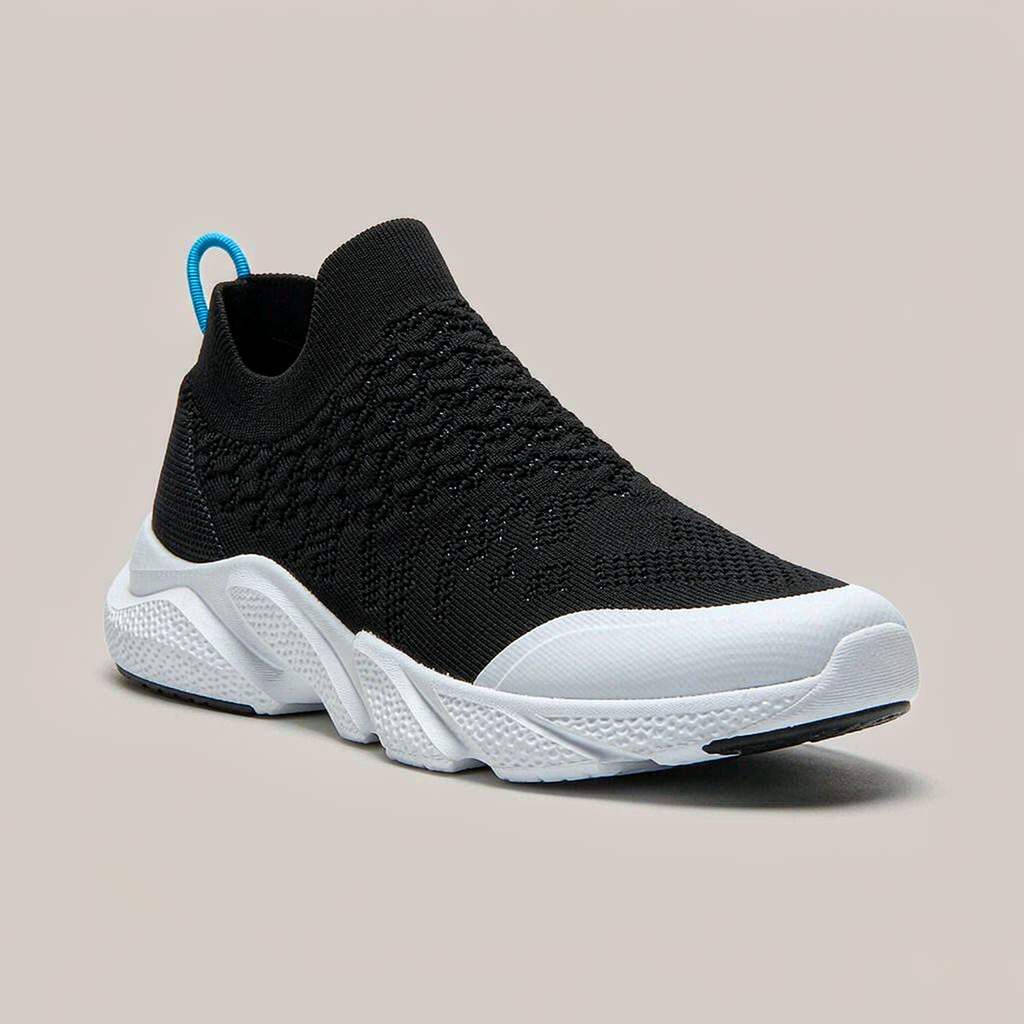
# Creator Seeding and Gifting Programs for Footwear Brands
Seeding—sending product to creators with no obligation—has become the quiet workhorse of footwear marketing: pairs reach people whose audiences match the brand, and the content that comes back (or doesn't) costs a fraction of paid placement. Footwear is a natural seeding category because shoes photograph beautifully and wear visibly—yet it's also the hardest category to seed, for one stubborn reason: sizes. Apparel gifting tolerates a wrong size; a sneaker in the wrong size produces no content at all. This guide covers the working program: how seeding differs from paid placement, the size logistics that decide outcomes, the tracking that makes repeat rounds smarter, and the budget tiers that fit small brands.
Seeding vs Gifting vs Paid: The Spectrum
Three related mechanics, worth keeping distinct:
• Seeding (product seeding): product sent to a matched creator, no posting expectation, no contract. The bet is fit—creators who genuinely like the shoes post because they want to. Lowest cost per contact, lowest control, highest authenticity.
• Gifting campaigns: product with a light expectation (a mention appreciated, hashtag shared) but still no obligation. The middle tier; the transparent framing matters—industry practice consistently finds that "no obligation" language *raises* authentic posting rates rather than lowering them.
• Paid placement: contracted deliverables—posts, usage rights, timelines. Control and predictability at multiples of the cost, governed by briefs and agreements.
Small brands should weight toward seeding and light gifting: the audience-match bet plays to what small brands have (distinctive product, real story) and away from what they lack (paid-media budgets). Paid placement earns its cost for launch moments—per the launch playbook—but seeding is the always-on layer.
The Size Problem: Footwear's Seeding Bottleneck
The mechanics that decide whether a seeding program works or dies:
1. Collect sizes at opt-in. Every seeding outreach includes a short form: shoe size (and width, where the line offers it), mailing address, platform handles. The form *is* the program's foundation—per the size chart discipline applied to gifting logistics.
2. Match before shipping. If the requested size isn't in the colorway you planned to send, the fit question comes first: send the size that fits in the colorway available, or wait. A pair that fits beats a pair that photographs.
3. Budget inventory deliberately. Seeding consumes real stock—pairs that never generate revenue. Cap the program per drop (a fixed share of the run), and treat it as a marketing cost line in the inventory planning math, not an afterthought from the warehouse shelf.
4. Sample pairs are not seeding pairs. Golden samples stay sealed per the golden sample discipline; seeding ships production-quality pairs—creators photograph flaws as readily as features.
Finding the Right Creators
The match quality decides everything—industry best practice converges on data-matched selection over follower counts:
• Audience fit over audience size. A creator whose followers match your buyer (streetwear, comfort, the specific scene your shoe speaks to) outperforms a bigger account whose audience doesn't. Engagement quality—real comments, not emoji walls—is the visible proxy.
• Product affinity. Creators who already wear similar silhouettes, or who respond to the product's actual design language, post at far higher rates. Our storytelling guidance's principle applies: the match must be true.
• The list is tiered. A working structure: a small tier of higher-reach creators for launch moments, a broader tier of niche-fit micro-creators for the always-on program, and an "alumni" tier of creators who posted before—re-seed proven performers first.
• Transparent outreach. The message says what it is: product gifted, no obligation, here's why we thought of you specifically. Templates that pretend a personal match without one are transparent to creators—and the community talks.
Tracking: The System That Makes Round Two Smarter
Seeding without tracking repeats mistakes at full price. The working system, scalable from a spreadsheet:
Field / Why it matters
• Creator, handle, audience fit note — The match record—your selection memory
• Size, address, ship date — Fulfillment truth
• Posted? / content link / date — The outcome record
• Engagement note (relative) — Who moves their audience
• Relationship notes — Preferences, prior contact, re-seed eligibility
Whether a spreadsheet or a creator-platform tool runs it matters less than the discipline: every pair shipped is logged, and every post (or silence) is recorded. The program's compounding asset is the list—creators who posted get re-seeded first, non-posters rotate out, and the posting rate climbs each round. The common failure the community discusses: tracking scattered across inboxes, so each seeding round starts from zero.
Expectation Setting and the Gift Frame
The mechanics that keep programs healthy:
• No obligation, stated plainly. In the outreach and in the package insert. The paradox the industry consistently observes: freedom to not post produces more authentic posts.
• No usage rights grabbed silently. If you want to reshare a creator's content, ask. If you want paid usage rights (ads, product pages), that's a paid conversation—the gift doesn't buy rights.
• Disclosure respected. Creators handle their own disclosure obligations per their platforms' rules; brands don't press for stealth posts—undisclosed seeding backfires on both parties.
• The package carries the story. Seeding boxes are packaging moments: the insert card with the making story, care notes, and the honest "no obligation" line. The unboxing is often the first content the creator makes.
Budget Tiers for Small Brands
A realistic program architecture:
1. Starter (a handful of pairs per drop): micro-creators with verified audience fit, handwritten-tier outreach, spreadsheet tracking. Cost: inventory + shipping.
2. Building (a fixed share of each drop): tiered list, alumni-first re-seeding, systematic tracking, light gifting campaigns around launches.
3. Established: always-on seeding plus selective paid placement for launches, with usage-rights conversations where content performs.
The scaling rule: grow the program at the rate the *tracking* can digest—each round should be smarter than the last, which only happens if the list discipline keeps pace with the shipping volume.
Seeding with a Manufacturing Partner
Seeding programs lean on production for one thing above all: inventory you can spare—pairs allocated to marketing without starving sell-through, produced on reorder terms that let the program repeat each drop. From the Fujian belt we plan seeding quantities into the production math and keep the seeded pairs identical in quality to the sold ones—because a creator's audience is, functionally, a store full of potential customers inspecting the product. Our launch playbook shows where seeding slots into the release calendar.
As always: "MOQs depend on the product and factory. Tell us what you need and we confirm what is realistic before you commit to anything."
FAQ
What's the difference between product seeding and influencer gifting? They're points on one spectrum: seeding sends product with no expectation at all; gifting adds a light, transparent hope ("a mention appreciated") without obligation; paid placement contracts deliverables. Small brands benefit most from seeding and light gifting—authenticity per yuan is unmatched—holding paid placement for launch moments. Transparent "no obligation" framing consistently raises authentic posting rates.
Why is footwear harder to seed than apparel? Sizes: apparel tolerates a wrong size and still produces content; a sneaker in the wrong size produces nothing. The fix is logistics—collect shoe size (and width) at opt-in, match before shipping, and budget seeding inventory deliberately as a marketing cost line. Golden samples stay sealed; seeding ships production-quality pairs.
How do I choose which creators to seed? Audience fit over audience size: creators whose followers match your buyer and who already wear similar silhouettes post at far higher rates. Tier the list (higher-reach for launches, niche micro-creators for the always-on layer, alumni for re-seeding), and log every outcome—re-seed proven posters first, rotate out the silent.
How should a small brand track its seeding program? One system, however simple: creator and match note, size and ship date, posted/link/date, relative engagement, relationship notes. Every pair shipped is logged; every outcome recorded. The compounding asset is the list—tracking is what makes round two smarter than round one, and the program should grow only as fast as that discipline keeps pace.
