
Sourcing Guides
Freight Forwarder vs Sourcing Agent: Who Handles What
Freight forwarder vs sourcing agent: who ships, who checks quality, and when you need both.
# Freight Forwarder vs Sourcing Agent: Who Handles What
If you import from China, you will almost certainly work with a freight forwarder. If you buy from factories, you may also work with a sourcing agent. The freight forwarder vs sourcing agent question confuses many first-time buyers, and the confusion gets expensive: some buyers assume their forwarder is watching the factory, then open a carton weeks after their goods have landed and find the wrong color stitching.
Here is the short version: a freight forwarder owns the transport leg of your order. A sourcing agent owns the production leg. This guide breaks down who handles what at each stage, why the two roles are not interchangeable, and how they should work together.
What a freight forwarder actually does
Freight forwarders are logistics specialists. Their job starts once your goods exist and need to move. On the export side from China, that typically includes:
• Booking cargo space with ocean carriers or airlines
• Arranging trucking from the factory or consolidating cargo at a warehouse
• Handling China-side export customs declaration
• Preparing transport documents such as the bill of lading or airway bill
• Advising on routes, transit times and Incoterms
• Arranging cargo insurance when you want it
A good forwarder earns their fee: they know the carriers, the paperwork and the port procedures. But notice what is missing from that list — anything that happens inside the factory. A forwarder's usual touchpoint with your order is a stack of cartons at a warehouse, close to the vessel cut-off date. Setting production schedules, judging workmanship and negotiating with the factory are not part of the service.
What a sourcing agent actually does
A sourcing agent works the production leg — everything that has to happen before goods are ready to hand over. Depending on the agreement, that typically covers:
• Finding and vetting factories that match your product and order size
• Requesting samples and comparing quotes
• Visiting factories in person, so someone is walking the workshop instead of judging from photos
• Following up production and flagging delays while there is still time to react
• Checking goods before release — for us, a manual, item-by-item inspection
• Assisting with export paperwork and coordinating the handoff to your forwarder
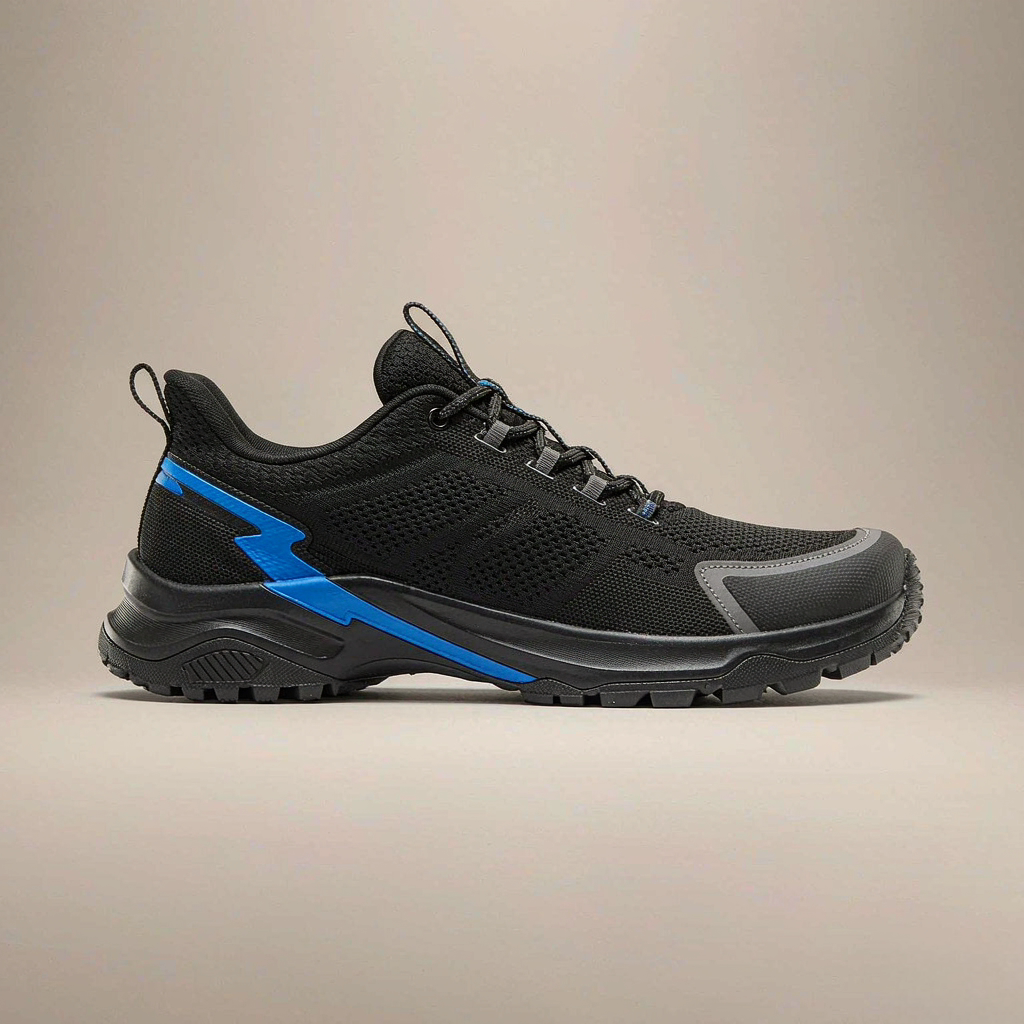
At GlobalSala, a sourcing and export agent based in Quanzhou, Fujian, this is the core of the job: factory matching, on-site sample and factory checks, production follow-up, manual pre-shipment inspection, and handling export matters. We focus on one product family — functional footwear — anand its adjacent categories — all clustered around Quanzhou's supply base, so factory visits are local rather than long-distance trips.
Freight forwarder vs sourcing agent: who handles what, stage by stage
Here is the same split as a table. The exact division depends on your Incoterms and your agreements, but this is the typical picture:
Stage / Freight forwarder / Sourcing agent / You
• Finding and vetting factories — — — Matching and on-site visits — Make the final call
• Samples and quotes — — — Collect, compare, verify — Approve specs and price
• Production follow-up — — — Chase the schedule, flag problems — Approve any changes
• Quality check before release — — — Manual, item-by-item inspection — Set your standards (AQL only if/when agreed between buyer and supplier)
• Export customs and documents — Yes — Assist and coordinate — Provide accurate product details
• Booking freight and main carriage — Yes — Align timing with factory readiness — Approve route and cost
• Import clearance at destination — Often, via destination partners — — — Or appoint your own customs broker
• Final delivery — Sometimes arranges — — — Receive the goods
One row deserves a second look: the quality check. A forwarder will receive your goods and load them. A forwarder will not open the cartons and check every item against your approved sample — that is not the business they are in, and by then it would be too late anyway.
Why the two roles are not interchangeable
The most common mix-up sounds like this: "My forwarder is in China, so they can check my goods for me."
It does not work that way, for three reasons.
Timing. By the time goods reach a forwarder, quality is already locked in. If something is wrong at that stage, your options shrink to rework (if the factory agrees), a delayed shipment, or shipping the defects. A check only protects you if it happens at the factory, before release.
Leverage. A forwarder has no commercial relationship with your factory. They cannot push a schedule, argue a fix, or apply any pressure — the relationships that solve problems mid-production belong to whoever manages the order.
Context. Judging quality means knowing your spec: the approved sample, color standards, packaging details. Someone has to hold that information and compare it against reality on the factory floor. It is neither fair nor realistic to expect that from a logistics partner who met your product at the warehouse door.
The reverse is equally true: a sourcing agent is not a carrier. Most agents do not own vessels, aircraft or customs brokerage licenses. Freight rates, space booking and transport documents are a separate profession. An agent coordinates with your forwarder; they do not replace one.
How the two roles work together
When both roles sit on your side of the table, the sequence matters more than anything else.
1. Production finishes. Your agent follows the schedule and confirms actual completion — the dates the factory reports, not the ones everyone hoped for.
2. Inspection happens at the factory, before release. If goods fail, they go back for rework while the shipping plan can still move. This is exactly why inspection comes before booking rather than after: once goods sit at the port past cut-off, you are trading rework time for storage fees and missed vessels.
3. Release and handoff. Once goods pass, the agent passes packing details — carton counts, weights, dimensions — to the forwarder.
4. The forwarder takes over. Booking confirmed, export declaration filed, bill of lading issued, container on the vessel.
Your Incoterms decide who books whom. Under FOB, your forwarder books the main carriage while the factory side delivers goods to the port. Under EXW or DDP-style arrangements, the split changes. If these terms read like alphabet soup, our Incoterms explainer for importers walks through them.
The logic of the sequence is simple: catching a problem at the factory costs a rework cycle; catching it on the vessel costs a shipment.
When you only need a freight forwarder
Sometimes the production leg does not need outside help — and pretending otherwise wastes money.
You may only need a forwarder when:
• You already have trusted suppliers and place repeat orders with them
• You or your team already handle production follow-up and quality another way
• Your product is straightforward, with specs the factory knows by heart
• Your goods are ready and simply need to move
In that case, adding an agent inserts a layer you do not need. Let the forwarder do what forwarders do best: rates, routes, documents, customs.
An agent earns their place at the opposite end: a first order with a new factory, a customized product, a category you do not know well — the stages where a problem is cheapest to catch in the workshop and most expensive to catch at the port.
Many importers end up using both at different stages: an agent while they build supplier relationships, then a leaner setup once those suppliers are proven. Neither role is a badge. Match the help to the stage.
FAQ
Can my freight forwarder inspect my goods?
No. Checking goods against your spec is not a forwarder's service, and a meaningful check has to happen at the factory before release anyway. Some forwarders can point you toward third-party options; if you want to know what we can support around pre-shipment checks, email us to confirm what we can support.
Do I still need a sourcing agent if I buy through Alibaba?
Alibaba and 1688 are genuinely useful discovery tools: huge supplier databases, Trade Assurance, messaging and payments in one place. What the platform does not do is stand in the workshop, chase the production schedule, or check goods carton by carton before release. We compared the two routes in Alibaba vs a sourcing agent.
Which Incoterms should I use when working with both?
FOB is the most common pairing point: the factory or agent delivers goods to the port, and your forwarder books the vessel. But the right term depends on who you want controlling freight and risk, so it is worth deciding before the first order rather than after.
Will a sourcing agent help with MOQs?
A good one tells you what is realistic before you commit, not after. Our position is simple: "MOQs depend on the product and factory. Tell us what you need and we confirm what is realistic before you commit to anything." What is achievable always depends on the product and the factory behind it.
Not sure which side of the split you need help with? Tell us what you are sourcing and what stage you are at, and we will tell you straight: what we handle, what belongs to your forwarder, and what you should keep yourself.
