
Quality & Inspection
The Golden Sample: Setting the Quality Standard for Bulk Production
What a golden sample is, how to create and keep one, and how it anchors sneaker inspection from pre-production to shipment.
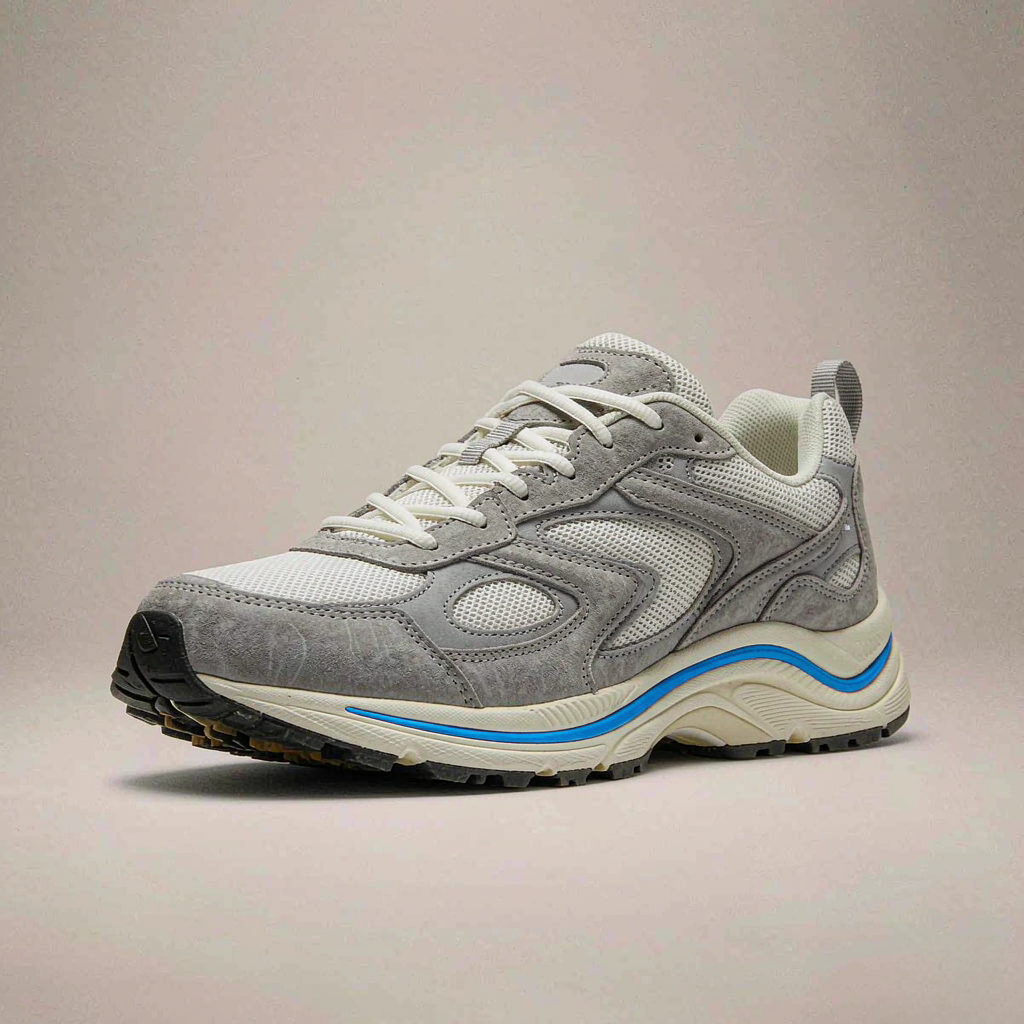
# The Golden Sample: Setting the Quality Standard for Bulk Production
Every quality conversation in footwear eventually references one object: the golden sample. It is the physical pair (or set) that everyone—brand, factory, inspector—agrees is the standard, and it quietly does more work than any spec sheet: when a document and a shoe disagree, the shoe wins. Brands that manage golden samples deliberately catch problems at the factory gate; brands that treat them as an afterthought discover that "quality" was never actually defined. This guide covers what a golden sample is, how to create one properly, and how it anchors inspection from pre-production through shipment.
What a Golden Sample Is — and Isn't
The golden sample is the frozen, signed-off physical reference of the approved product: construction, materials, colors, fit, finish. Its defining properties:
• It is physical. Photos and PDFs describe; the golden sample *is*. Every dispute resolves by holding both pairs under the same light.
• It is frozen. After sign-off, nothing about it changes. A new agreement means a new sample with a new label—not silent edits to the reference.
• It is singular in authority. There is one golden sample per style-colorway per production run. Multiple "approved" pairs floating around means no reference exists.
What it is not: the prettiest pair from sampling, a render, or the factory's idea of "the standard we usually do." It is the specific pair both sides signed for.
Creating One: The Sign-Off Discipline
The golden sample emerges from the final sample round, and its creation is a procedure, not an accident:
1. Select from the pre-production round. The PP sample—made with production materials on the production process—is the correct candidate. Sample-room pairs made before process transfer carry sample-room differences.
2. Inspect it thoroughly first. The golden sample must itself be defect-free: stitching, bonding, color, hardware, labels, packaging references. A flawed reference legitimizes flawed bulk.
3. Sign and label. Both sides sign or stamp (many factories keep a sign-off card with the sample), and the pair is labeled—style, colorway, date, version. Labels prevent the most common failure: the reference getting absorbed into someone's sample wall, anonymous and untraceable.
4. Duplicate the reference. Best practice is two or three sealed reference pairs: one stays at the factory's QC station, one with the brand (or the brand's inspector), one archived. Identical references at both ends of production eliminate "which sample?" arguments.
5. Reference it in the tech pack. By name and label. The tech pack line "bulk must match golden sample, ref GS-xxxx" turns the sample into an enforceable document clause.
What the Golden Sample Anchors
Once frozen, the reference does work at every stage:
Stage / Golden sample use
• Material incoming — Leathers, textiles, foams, hardware compared against the sample's materials before cutting
• First production output — First pairs off the line checked against the sample for construction transfer
• Mid-production — Random pairs per shift compared for color, stitching, bonding consistency
• Final inspection — Packed goods compared pair-by-pair against the sample before shipment
• Disputes — The arbiter: the pair both sides signed for
This is the shoe factory production process in miniature: the sample is the constant that every variable stage is measured against. Without it, inspection becomes opinion, and opinions vary by shift.
The Storage Problem (and How Brands Lose References)
Golden samples die by misplacement more than by disagreement:
• Absorbed into sample walls. Unlabeled references become decor.
• Worn out. References handled without care fade, stain, and deform—then bulk "doesn't match" a reference that no longer matches itself. Keep the working reference clean; if a touch-and-feel pair is needed for sales or photos, designate a separate display pair.
• Left at one factory. When production moves, the reference doesn't. Keep at least one reference pair outside the factory's control.
• Version confusion. After revisions, multiple labeled samples coexist. The rule: when the golden sample changes, the old one is retired—relabeled or removed—so exactly one authority exists.
A small brand's reference kit: one sealed golden sample per style-colorway at the inspection point, one archived pair, and the labeled sign-off record. That kit costs two pairs and prevents the class of disputes where both sides are certain and neither is right.
When Bulk Doesn't Match: The Reference in Action
The matching conversation, done right:
1. Both pairs under the same light, side by side—not memory, not photos.
2. The difference named precisely: "collar foam is 3 mm thinner," "suede shade is one step lighter," "stitch density lower at the vamp."
3. The clause cited: bulk must match golden sample per the tech pack.
4. The remedy agreed: rework, sort, or accept with documented concession—each path its own decision, in writing.
What this process prevents is the argument without an arbiter: "this is normal for production" versus "this is not what we approved" has exactly one resolution when a signed reference exists, and none when it doesn't. Our wear testing guide adds the dynamic dimension—how the sample performs over weeks of wear—which bulk goods must match for fit and durability claims to hold.
Golden Samples with a Manufacturing Partner
Reference discipline is a physical, on-site practice: selecting the PP pair, inspecting it before sign-off, sealing and labeling, keeping the factory's QC-station copy honest, and comparing bulk against it at every stage. From the Fujian belt we run this loop on every project—the golden sample created, duplicated, and enforced, so that the pair you approved and the cartons you receive are the same object.
On minimums: "MOQs depend on the product and factory. Tell us what you need and we confirm what is realistic before you commit to anything."
FAQ
What is a golden sample in sneaker production? The frozen, signed-off physical reference pair that defines quality for a style-colorway: materials, construction, colors, fit, and finish. Bulk production is inspected against it at every stage, and disputes resolve by comparing goods to it under the same light. It is the single most important quality object in the project.
Should the golden sample be made from production materials? Yes—it should come from the pre-production round, made with production materials on the production process. Sample-room pairs carry sample-room conditions that don't transfer to the line. The golden sample's job is to represent what bulk *will be*, not what the design studio achieved.
How many golden samples should I keep? Two to three sealed references per style-colorway: one at the factory's QC station, one with you or your inspector, one archived. Identical references at both ends of production eliminate "which sample?" disputes. Keep the working reference pristine—use a separate display pair for sales and photos.
What happens when bulk goods don't match the golden sample? Both pairs side by side under the same light, the difference named precisely, the tech-pack clause cited, and a remedy agreed in writing: rework, sort, or documented acceptance. The signed reference is what turns a quality disagreement into a resolution—without it, both sides argue from memory.
