
Industry Insights
Gym Bag Wet Compartment Design: The Feature That Prevents the #1 Complaint
Wet clothes, damp towels, and sweaty shoes are a gym bag's worst enemy. The wet compartment design that keeps moisture contained and the rest of the bag dry.
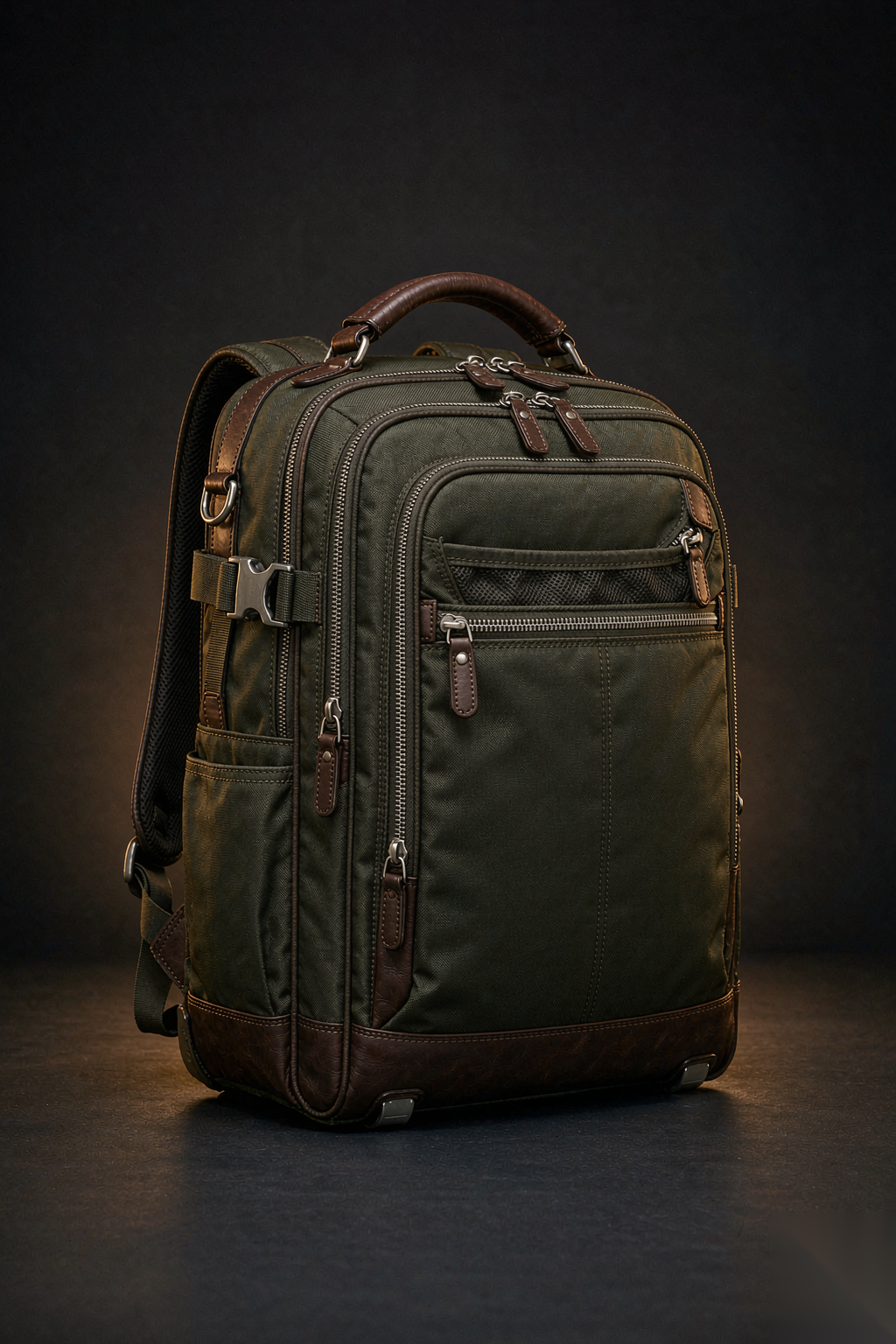
A gym bag's contents are actively hostile to the bag itself: sweat-soaked clothes, damp towels, wet swimwear, and borrowed shoes. The #1 gym bag complaint is not "it broke" — it's "it smells." The smell comes from moisture that transfers from the wet zone to the dry zone, and the only cure is a wet compartment designed to contain that moisture at the pattern stage. Gym bag wet compartment design is the feature that separates a bag people love from a bag people replace. Here is how to design it.
The Wet-Dry Divide: The Organizing Principle
The gym bag's interior divides into two zones with opposite requirements:
Zone | Contents | Requirement |
|---|---|---|
Dry zone | Clothes, phone, wallet, keys | Stay dry, stay odor-free, stay organized |
Wet zone | Sweaty clothes, damp towels, wet swimwear, shoes | Contain moisture, allow drainage, resist odor |
The divide is physical, not conceptual: the wet zone has its own walls, its own zipper, and its own lining that the dry zone never touches. A gym bag without a physical wet-dry divide is a bag that transfers moisture and odor from the wet contents to the dry contents — the complaint that generates the lowest reviews in the category.
The Wet Zone Spec: Four Development Decisions
The wet zone's design has four decisions that determine its effectiveness:
1. The lining. TPU film — fully waterproof, wipeable, and resistant to the bacteria that cause odor. The lining covers every surface of the wet zone: walls, floor, and ceiling.
2. The zipper. Water-resistant coil or TPU-taped — a standard zipper allows moisture to escape through the teeth and corrodes in the humid environment.
3. The drainage. Two grommets (metal eyelets) at the wet zone's lowest corner let condensation and dripping water escape. Without drainage, the wet zone becomes a sealed moisture chamber.
4. The position. End-of-bag wet zones isolate moisture from the main compartment; base-level shoe garages use the bag's floor as their ceiling. The position determines whether moisture can migrate.
The Ventilation Architecture: Air Must Move
Ventilation is not holes — it is air movement. The ventilation approaches that work:
Approach | How It Works | Effectiveness |
|---|---|---|
Ventilation grommets | Metal eyelets in the wet zone | Low — lets liquid drain, minimal air flow |
Mesh wet zone walls | Structural mesh instead of solid TPU | Medium — air moves, moisture contained |
Through-flow channels | Air channel between the wet zone lining and the dry zone shell | High — continuous air movement |
Removable wet liner | A washable inner bag for wet items | High — the liner is washed separately |
The through-flow approach is the premium solution: an air channel that runs between the wet zone and the dry zone, allowing air to circulate without moisture crossing. The channel requires a two-layer construction in the pattern — the wet zone's TPU lining and the dry zone's standard lining separated by a mesh spacer.
The Material Spec: The Lining Is the Product
The wet zone's lining is the component that determines whether the bag smells after a month. The spec:
TPU film. Fully waterproof, wipeable, and resistant to the bacteria that cause odor. The TPU film is heat-welded (not sewn) to the wet zone's walls — sewn seams create needle holes that leak.
PEVA film. The budget alternative — adequate but less durable than TPU. PEVA degrades faster with repeated exposure to moisture and detergent.
The seam treatment. Heat-welded seams (no needle holes) are the premium option; sewn seams with waterproof tape are the standard option. Unsealed seams in the wet zone are the most common moisture-leak point.
The lining's wipeability is tested on the sample: wipe the wet zone's interior with a damp cloth after loading it with a damp towel overnight. If the cloth removes all moisture and odor residue, the lining passes.
MOQs depend on the product and factory. Tell us what you need and we confirm what is realistic before you commit to anything. Wet compartment construction carries a material minimum (TPU film, grommets, water-resistant zippers) that is knowable from the factory before you commit.
Frequently Asked Questions
Can I use mesh instead of TPU for the wet zone?
Mesh provides ventilation but not containment — sweat and moisture pass through mesh into the dry zone. The correct approach: TPU-lined wet zone with mesh windows for airflow, not mesh as the primary barrier.
How do I prevent odor in the wet zone?
Three defenses: the TPU lining (non-absorbent surface), the drainage grommets (let moisture escape), and the through-flow ventilation (air movement). All three together prevent the moisture accumulation that causes odor.
Can the wet zone be removed and washed?
Premium gym bags include a removable wet liner — a TPU-lined inner bag that lifts out for washing. The removable liner adds a zipper and attachment points but solves the hygiene problem definitively.
What is the most common wet compartment failure?
Moisture leaking from the wet zone to the dry zone through unsealed seams. The fix: heat-welded TPU seams (no needle holes) or sewn seams with waterproof tape. The spec should state the seam treatment explicitly.
The Takeaway
Gym bag wet compartment design is moisture engineering: TPU linings, drainage grommets, through-flow ventilation, and a physical wet-dry divide built into the pattern. The bag that contains its own moisture is the bag that survives its own contents — and earns the reviews that say "I've used it every day for a year and it still smells fresh."
