
Industry Insights
Heel-to-Toe Drop: Choosing the Right Number for Your Line
What heel-to-toe drop means, how low and high drops change fit and feel, and how to pick the right drop for your sneaker line.
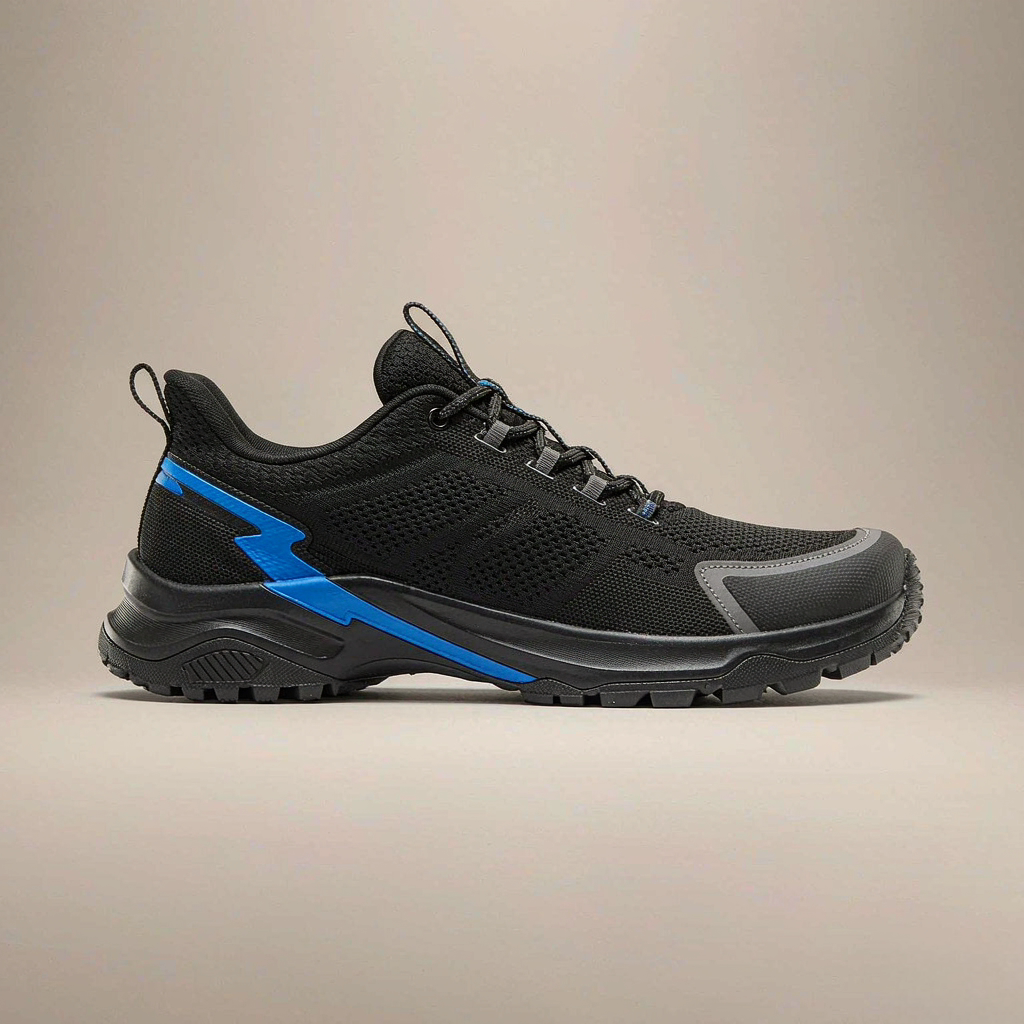
# Heel-to-Toe Drop: Choosing the Right Number for Your Line
Every sneaker spec sheet hides a small number with an outsized effect on how a shoe feels: the heel-to-toe drop. It shapes stance, stride perception, which customers love the shoe, and which ones return it with complaints about their calves. Yet drop is routinely left to whatever the factory's last and midsole already do, which is how brands end up with a whole line that feels identical to everyone else's. This guide explains what drop actually measures, how the ranges differ, and how to choose a number deliberately for your product and audience.
What Drop Actually Is
Drop is the height difference between the heel and the forefoot of the sole under the foot—not the total thickness. A shoe with a 30 mm heel and a 20 mm forefoot has a 10 mm drop; a shoe with a 25 mm heel and 21 mm forefoot has only 4 mm even though it is thicker overall.
Two definitions worth keeping straight in conversations with factories:
• Stack height — the absolute amount of material under heel and forefoot. It governs cushioning depth and ground feel.
• Drop — only the difference between them. It governs the angle your foot sits at.
A shoe can be thick and low-drop, or thin and high-drop. Marketing copy often blurs these; your spec sheet should not. When you request a midsole, state both: stack heights at heel and forefoot, and therefore the drop. Factories can hold drop within a couple of millimeters once it is written down.
The Three Ranges and Who They Serve
Most sneakers on the market fall into three drop bands, each with a distinct character:
Drop range / Feel underfoot / Suits / Watch-outs
• 0–4 mm (low/zero) — Flat, ground-connected, forefoot-loading — Minimalist-leaning designs, skate and court heritage shapes — Demands more calf and Achilles mobility; first-time wearers may feel sore calves
• 5–8 mm (mid) — Balanced, neutral stance — Most lifestyle silhouettes; the safest default — Fewer drawbacks; the risk is sameness
• 9–12 mm (high) — Heel-cushioned, forward-tilted stride — Comfort-first models, running-heritage shapes, buyers accustomed to traditional trainers — Can feel "clunky" to minimal-leaning buyers; visually thickens the heel
For streetwear brands the drop decision is partly aesthetic. Court and skate heritage shapes carry low-to-mid drops because the originals did; chunky runner-revival shapes read authentic with higher drops. Deviating from the heritage expectation is possible—but do it on purpose, because the silhouette-plus-drop combination is part of what buyers subconsciously read as "correct" for a style.
How Drop Interacts with the Rest of the Shoe
Drop is not an isolated number; it pulls other components along:
• Last geometry. The shoe last must be built with the intended heel seat and forefoot rocker to match the drop. Changing drop on an existing last often means modifying the last.
• Outsole thickness. Adding a lug-heavy outsole under a midsole eats into drop. If the midsole is specified at 10 mm drop but the outsole adds 3 mm at the heel, the shoe on foot is not the shoe in the spec.
• Insole geometry. A contoured insole with a raised heel pad changes effective drop slightly. Since our insole comfort development guide treats insoles as part of the comfort system, measure drop with the insole in place.
• Upper pattern. Extreme drops shift load toward the forefoot, and the toe box and vamp must accommodate the resulting foot position. This shows up as fit complaints when ignored.
The practical sequence: choose drop as a design decision, then ask the factory to verify the measured drop on the first complete sample—with outsole and insole—before you approve anything else.
Choosing a Drop for Your Line
Three questions usually settle it:
1. What style heritage does the silhouette borrow from? Court, skate, and training shapes have expected drop zones; matching them keeps the design coherent.
2. What is your buyer's daily reality? Buyers who stand and walk all day tend to appreciate moderate-to-high drop cushioning under the heel. Style-driven buyers who sit at desks and go out at night never notice drop at all—and low-drop silhouettes photograph cleaner.
3. What does the rest of your line do? If every future silhouette will share platform components, an early decision on drop range keeps the line consistent and makes shared lasts and molds viable later.
A pragmatic first move: build your core silhouette at a mid drop (6–8 mm) where mistakes cost least, and use drop as a deliberate differentiator on secondary models—a zero-drop summer loafer-sneaker, a 10 mm comfort-forward walker.
Communicating Drop to Buyers
Whatever number you choose, say it plainly. Spec-oriented buyers—runners, nurses, people who know their preferred drop—choose shoes by this number and will thank you for publishing it. A size-guide page that lists stack height and drop per model costs nothing and preempts the most technical class of returns. Avoid performance claims you cannot support; describe the stance and feel ("flatter, ground-connected stance" versus "heel-cushioned, forward stride") rather than promising biomechanical outcomes.
Setting Drop with a Manufacturing Partner
Drop lives in the interaction of last, midsole, outsole, and insole, which is exactly where factory-side follow-up earns its keep. At GlobalSala we spec drop and stack heights into the tech pack, check the measured result on the first full sample rather than trusting drawings, and hold bulk to the approved sample. If you are mapping an entire line, we help plan drop ranges across silhouettes so shared components stay viable as you grow. Our how to develop a sneaker guide shows where this decision sits in the full development sequence.
As always on minimums: "MOQs depend on the product and factory. Tell us what you need and we confirm what is realistic before you commit to anything."
FAQ
Is zero drop better for your feet? Neither zero drop nor high drop is universally better—they position the body differently. Low-drop shoes load the calves and forefoot more; higher-drop shoes cushion the heel and suit buyers used to traditional trainers. Comfort complaints most often come from buyers switching abruptly between extremes, so pick a drop consistent with your audience and state it clearly.
How is drop measured on a finished shoe? Measure sole stack thickness at the center of the heel and at the center of the forefoot behind the metatarsal heads, with the insole in place, and subtract. On finished samples this is done with the shoe unloaded. Ask your factory for the measured drop on the first complete sample, not just the design value.
What drop should a streetwear sneaker have? Most streetwear silhouettes live between 4 and 10 mm, with court and skate heritage shapes at the lower end and runner-revival shapes at the upper end. Treat heritage expectation as the default and deviate only when the deviation is part of the design story.
Does drop affect shoe size fitting? Indirectly, yes. Higher drops shift the foot slightly forward in the shoe and load the forefoot, which some wearers experience as toe-box pressure. If you move a silhouette to a noticeably higher drop, re-check length and toe-box volume fit on samples before bulk.
