
Industry Insights
The Signature Piece: Hero Sneaker Development
Discover how to develop your brand's hero sneaker - from brand DNA extraction to market positioning and lifecycle planning.
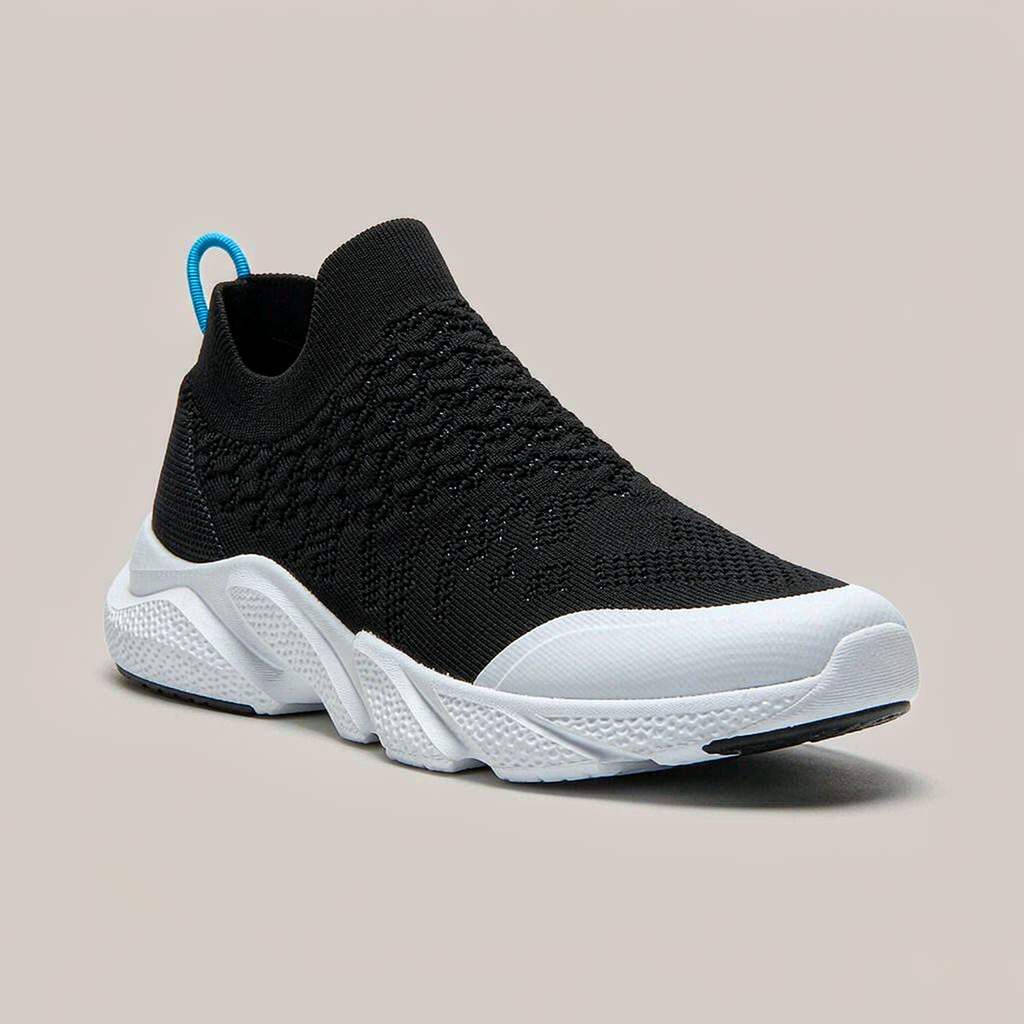
# The Signature Piece: Hero Sneaker Development
Every successful streetwear brand has that one sneaker that defines their identity - the hero sneaker that customers immediately associate with your brand. This signature piece becomes more than footwear; it becomes a statement of your brand's values, creativity, and place in the culture. Developing a hero sneaker requires strategic thinking, deep brand understanding, and meticulous execution. In this comprehensive guide, we'll walk through the complete hero sneaker development process that transforms your brand vision into an iconic product.
Defining Your Hero Sneaker: More Than Just a Product
A hero sneaker isn't just your most popular model - it's the embodiment of your brand's essence. This signature piece represents your design philosophy, quality standards, and cultural relevance. When developing your hero sneaker, consider what makes it uniquely yours: the silhouette that captures your aesthetic, the materials that reflect your commitment to quality, and the story that connects with your audience emotionally.
Your hero sneaker development process should begin with clear objectives. What do you want this sneaker to achieve? Is it meant to establish your brand's credibility in the market? To introduce innovative design elements that set you apart? Or to create a timeless piece that represents your brand's core values? Answering these questions will guide every decision in the development journey.
Remember that a hero sneaker isn't necessarily your most technically advanced or expensive model. It's the one that resonates most deeply with your audience and best represents what your brand stands for. This distinction is crucial when planning your hero sneaker development strategy.
Extracting Brand DNA: The Foundation of Signature Design
Before sketching a single line, you must understand your brand's DNA. This process involves three critical components that will form the foundation of your hero sneaker development.
First, identify your core values. What principles guide your brand? Are you committed to sustainability, innovation, craftsmanship, or cultural authenticity? These values should manifest in every aspect of your hero sneaker, from material selection to construction methods.
Second, define your visual language. This includes color palettes that reflect your brand identity, design elements that appear consistently across your products, and the overall aesthetic that makes your sneakers recognizable. Your hero sneaker should amplify this visual language while introducing new elements that demonstrate growth and evolution.
Third, craft your brand story. What narrative connects your brand to your audience? How does your hero sneaker fit into this story? The most successful hero sneakers have compelling narratives that go beyond footwear - they represent cultural moments, personal journeys, or artistic expressions.
When developing your hero sneaker, ensure these three elements work in harmony. The result should be a sneaker that feels authentic to your brand while pushing creative boundaries and resonating with your target audience.
Market Positioning: Finding Your Place in the Competitive Landscape
Understanding where your hero sneaker fits in the market is essential for successful hero sneaker development. This requires thorough research of your target audience, competitors, and price positioning.
Start with your ideal customer profile. Who are you creating this hero sneaker for? Consider their demographics, lifestyle, values, and what they seek in footwear. Your hero sneaker should address their specific needs and aspirations while aligning with their aesthetic preferences.
Next, analyze the competitive landscape. What hero sneakers already exist in your market space? What makes them successful or unsuccessful? Identify gaps in the market that your hero sneaker could fill. This isn't about copying what others have done, but about understanding the context in which your hero sneaker will launch.
Price positioning is another critical consideration. Your hero sneaker should be priced to reflect its quality, exclusivity, and brand positioning. Consider your target market's price sensitivity and willingness to pay for premium footwear. Remember that your hero sneaker isn't just a product - it's an investment in your brand's identity.
Finally, define the usage scenarios for your hero sneaker. Will it be designed for everyday wear, special occasions, athletic performance, or cultural significance? Understanding these scenarios will inform design decisions and help create a hero sneaker that serves its intended purpose effectively.
Design Breakthroughs: Creating Lasting Impact
The design phase is where your hero sneaker development truly comes to life. This is where you translate your brand DNA and market positioning into tangible design elements that will make your signature piece memorable and impactful.
Start with silhouette development. Your hero sneaker should have a distinctive shape that sets it apart from competitors while remaining true to your brand aesthetic. Consider how the silhouette will look from different angles and in various contexts. The most successful hero sneakers have silhouettes that are both distinctive and versatile.
Material selection is equally crucial. Choose materials that not only look good but also align with your brand values and performance requirements. Whether you prioritize sustainability, luxury, or technical innovation, your material choices should reflect these priorities. Consider how different materials will age and develop character over time - a quality hero sneaker should improve with wear.
Color and pattern design should amplify your brand's visual language while creating moments of surprise and delight. Your hero sneaker might feature signature colors that represent your brand, or introduce new colorways that demonstrate creative evolution. Patterns and textures can add depth and interest, making your hero sneaker visually compelling from every angle.
Detailing is what separates good hero sneakers from great ones. Consider unique lacing systems, distinctive heel counters, innovative tongue designs, or signature branding elements that make your hero sneaker instantly recognizable. These details should feel intentional rather than decorative - they should enhance both aesthetics and function.
Technical Benchmarks: Performance Meets Aesthetics
A truly successful hero sneaker development process balances aesthetic vision with technical excellence. Your signature piece should not only look remarkable but also perform exceptionally well in real-world conditions.
Comfort is paramount. Your hero sneaker should feel great from the first wear, requiring minimal break-in time. Consider cushioning systems, arch support, and overall fit that align with your target audience's needs. Remember that comfort isn't just about physical feel - it's about confidence in movement and daily wear.
Durability ensures your hero sneaker maintains its appeal over time. Consider construction methods, material quality, and reinforcement points that extend the sneaker's lifespan. A well-made hero sneaker should develop character through wear rather than showing premature deterioration.
Performance features should align with your hero sneaker's intended use. If it's designed for athletic activities, consider traction, stability, and support systems. If it's a lifestyle sneaker, focus on comfort for extended wear and versatility across different settings. The technical aspects should enhance rather than compromise your design vision.
Quality control is non-negotiable. Establish clear standards for production and implement thorough inspection processes. When developing your hero sneaker, remember that quality consistency is what builds brand trust and ensures every pair lives up to your signature piece promise.
Hero Sneaker Development Stages
Stage / Key Activities / Timeline / Success Metrics
• Concept Development — Brand DNA extraction, market research, silhouette ideation — 2-4 weeks — Clear concept direction, defined target audience
• Design Refinement — Material selection, color development, detail engineering — 4-6 weeks — Design mockups, material samples, technical specifications
• Prototyping — First sample production, fit testing, wear trials — 4-8 weeks — Functional prototype, fit assessment, comfort validation
• Production Planning — Factory selection, production setup, quality standards — 2-4 weeks — Factory approval, production timeline, cost structure
• Manufacturing — Sample production, refinement, mass production — 8-12 weeks — Production samples, quality consistency, on-time delivery
• Quality Assurance — Final inspection, compliance checks, shipping prep — 1-2 weeks — Quality standards met, shipping readiness
Lifecycle Planning: From Launch to Legacy
A hero sneaker development strategy should extend beyond the initial launch to consider the product's entire lifecycle. This forward-thinking approach maximizes your signature piece's impact and longevity.
Launch planning is crucial for creating momentum. Consider how you'll introduce your hero sneaker to the market - through limited releases, strategic partnerships, or experiential events that generate buzz. The launch should feel authentic to your brand while creating excitement and anticipation.
Evolution planning ensures your hero sneaker remains relevant over time. Consider how you might introduce new colorways, materials, or subtle design updates that refresh the signature piece while maintaining its core identity. This approach extends your hero sneaker's relevance without diminishing its status as a signature piece.
Legacy considerations are what separate fleeting trends from lasting icons. How will your hero sneaker be remembered? What cultural significance might it develop over time? The most successful hero sneakers transcend their initial context to become cultural touchstones that represent moments in time.
When planning your hero sneaker's lifecycle, remember that scarcity can enhance desirability. Limited production runs or exclusive distribution channels can position your hero sneaker as a coveted item. However, balance this with accessibility - your signature piece should remain aspirational yet attainable for your core audience.
Developing Your Signature Sneaker
As you embark on your hero sneaker development journey, remember that the most successful signature pieces emerge from authenticity rather than trend chasing. While it's tempting to chase what's currently popular, true hero sneakers are born from deep understanding of your brand's unique identity and connection to your audience.
Focus on creating something that feels distinctly yours rather than what you think the market wants. Your hero sneaker should reflect your brand's values, design philosophy, and cultural perspective. This authenticity resonates more deeply with consumers than any calculated attempt to follow trends.
Quality should never be compromised in hero sneaker development. Your signature piece represents your brand's commitment to excellence, and every aspect - from materials to construction - should reflect this commitment. Remember that a hero sneaker is an investment in your brand's reputation.
Collaboration with experienced manufacturing partners can significantly enhance your hero sneaker development process. Professionals who understand the complexities of sneaker production can help you navigate technical challenges while maintaining your design vision. Their expertise ensures your signature piece is both innovative and manufacturable.
Finally, be patient. Hero sneaker development is a journey that requires time, iteration, and refinement. The most iconic signature pieces weren't created overnight - they emerged from thoughtful development, testing, and refinement. Trust the process and remain committed to creating something truly special.
Frequently Asked Questions
What makes a sneaker a "hero" model rather than just another product? A hero sneaker represents the essence of your brand - it's the signature piece that customers immediately associate with your identity. It embodies your design philosophy, quality standards, and cultural relevance while standing out as something distinctly yours in the marketplace.
How do I balance creativity with commercial viability in hero sneaker development? Start with a clear understanding of your brand identity and target audience. Let these guide your creative decisions while considering practical production constraints. Collaborate with experienced manufacturers who can help translate your vision into a commercially viable product without compromising your design integrity.
What's the typical timeline for developing a hero sneaker from concept to market? Hero sneaker development typically takes 6-12 months from initial concept to market launch. This timeline includes concept development, design refinement, prototyping, production planning, manufacturing, and quality assurance. The exact duration depends on complexity, production volume, and customization requirements.
How important is production quality in hero sneaker development? Production quality is absolutely critical in hero sneaker development. Your signature piece represents your brand's commitment to excellence, and quality directly impacts customer satisfaction, brand perception, and long-term success. Establish clear quality standards and work with manufacturers who share your commitment to craftsmanship.
