
Industry Insights
From Foam to Fit: Insole Comfort Development
Master insole comfort development with our comprehensive guide covering material selection, structural design, factory matching, and quality control for optimal footwear comfort.
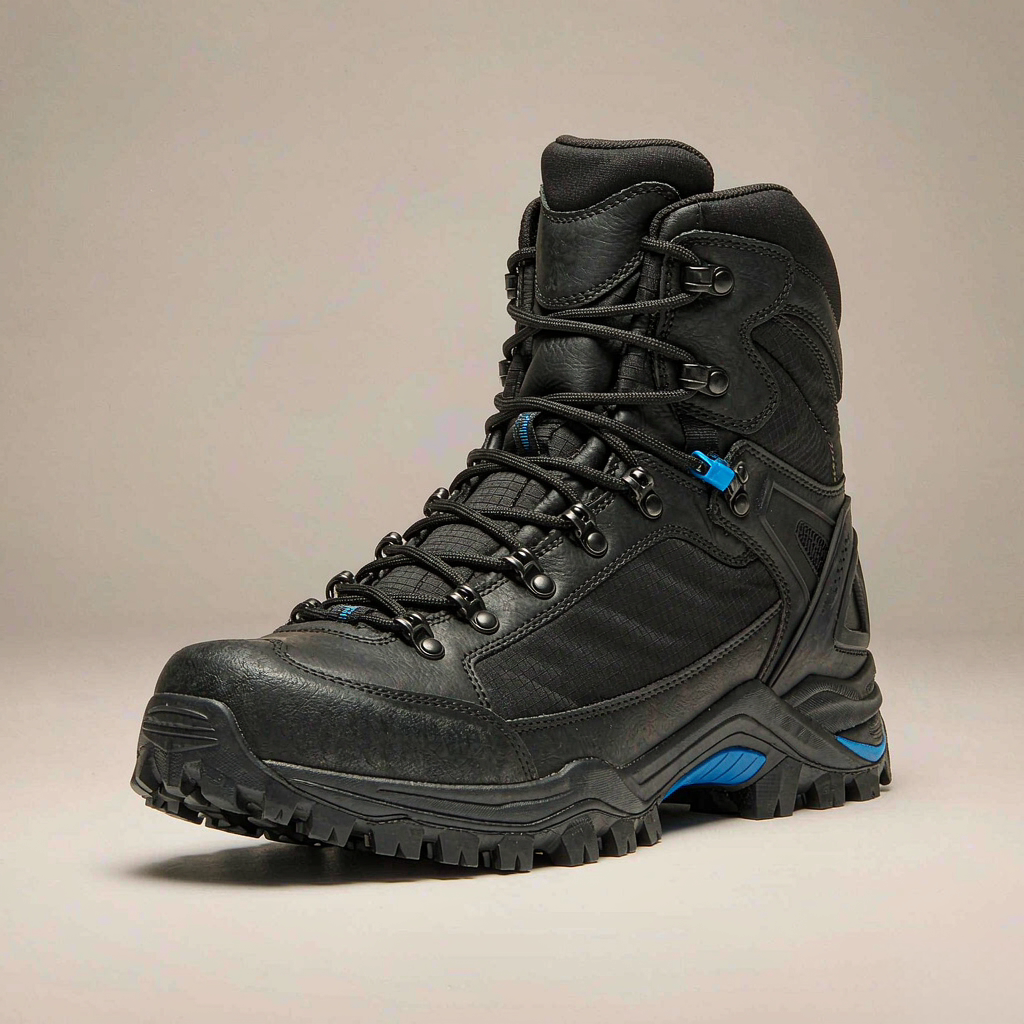
# From Foam to Fit: Insole Comfort Development
For independent streetwear brand owners looking to create their signature footwear, insole comfort development stands as one of the most critical yet often overlooked aspects of shoe design. The insole serves as the foundation of comfort, directly impacting how your shoes feel during wear and ultimately determining customer satisfaction. A well-developed insole system can transform an ordinary shoe into an exceptional experience, providing the perfect balance between support, cushioning, and durability that your target audience demands.
Material Selection: The Foundation of Insole Comfort
The journey of insole comfort development begins with material selection, where each option brings distinct properties that affect comfort, weight, and cost. Understanding these materials is essential for creating insoles that meet your brand's specific requirements.
EVA (Ethylene Vinyl Acetate) remains the industry standard for most insole applications due to its excellent balance of cushioning, durability, and cost-effectiveness. Available in various densities typically ranging from 35 to 65 kg/m³, EVA can be customized to provide different levels of support. Lower density options offer softer cushioning ideal for casual footwear, while higher densities provide firmer support for performance applications.
PU (Polyurethane) presents an alternative with superior cushioning retention compared to EVA. While initially offering similar comfort levels, PU maintains its resilience over time better than EVA, which tends to compress permanently with extended use. This makes PU particularly suitable for premium footwear where long-term comfort is a priority.
Latex insoles provide natural cushioning with excellent breathability and antimicrobial properties. The material offers responsive cushioning that adapts to the foot's movement, though it typically comes at a higher price point than synthetic alternatives.
Memory foam, known for its pressure-distributing capabilities, creates a personalized fit by conforming to the unique contours of each wearer's foot. This material excels in applications where customized comfort is paramount, though it may require breaking-in periods and can be less durable than other options.
Material / Density Range (kg/m³) / Cushioning / Durability / Breathability / Cost
• EVA — 35-65 — Good — Moderate — Moderate — Low
• PU — 40-80 — Excellent — High — Low — Medium
• Latex — 45-70 — Good — High — High — High
• Memory Foam — 25-60 — Excellent — Low — Low — Medium
Structural Design: Engineering for Optimal Support
Beyond material selection, structural design plays a crucial role in insole comfort development. Modern insole engineering combines biomechanical principles with manufacturing precision to create support systems that address specific foot needs.
3D foot scanning technology has revolutionized insole design by enabling precise measurement of individual foot characteristics. This technology captures the unique contours of each foot, including arch height, pressure points, and volume distribution. By incorporating this data into the design process, manufacturers can create insoles that provide targeted support where needed most without unnecessary bulk.
Pressure mapping helps identify high-pressure areas that require additional cushioning or reinforcement. Common pressure points include the heel, forefoot, and metatarsal heads. Strategic placement of cushioning materials in these areas can significantly enhance comfort during extended wear.
Arch support design must consider both the height and type of arch. High arches typically require more structured support to prevent excessive supination, while flat feet need medial posting to control overpronation. The ideal insole design balances support with flexibility, allowing natural foot movement while maintaining proper alignment.
Factory Matching: Choosing the Right Manufacturing Process
Selecting the appropriate manufacturing process is critical to achieving the desired insole comfort characteristics. Different production methods offer distinct advantages in terms of precision, cost, and material properties.
Injection molding creates insoles with exceptional consistency and dimensional accuracy. This process involves injecting molten material into precision molds, allowing for complex geometries and detailed surface textures. Injection-molded insoles excel in applications requiring precise specifications and uniform performance across production runs.
Compression molding, using heat and pressure to shape materials, offers excellent control over density distribution. This process enables the creation of multi-density insoles with varying firmness in different zones, providing targeted support where needed most. Compression molding is particularly effective for EVA and PU materials.
Lamination techniques allow for the combination of multiple materials to achieve specific performance characteristics. By bonding different layers—such as a cushioning top layer, a supportive mid-layer, and a durable bottom layer—manufacturers can create insoles that deliver balanced performance across all comfort parameters.
Cost Control Strategies for Insole Development
Developing high-quality insoles while managing costs requires strategic planning and smart design decisions. Several approaches can help optimize the balance between performance and budget.
Layered design enables cost-effective material usage by placing premium materials only where they provide the most benefit. For example, using high-density EVA in high-wear areas while employing more economical materials in less critical zones can significantly reduce material costs without compromising performance.
Shared模具 (molds) represent another cost-saving strategy, especially for brands developing multiple shoe models. By designing insoles that can be produced using existing molds, manufacturers can eliminate the substantial expense of creating new tooling. This approach requires careful planning to ensure the shared molds can accommodate the specific requirements of each insole design.
Material optimization through precise thickness calculations ensures that each component serves its intended purpose without excess. By analyzing the functional requirements of each insole layer, designers can specify exact thicknesses that provide necessary performance while minimizing material waste.
Quality Control: Ensuring Consistent Comfort
Maintaining consistent quality across production runs is essential for delivering reliable insole comfort. Several inspection parameters help verify that each insole meets the required specifications.
Thickness tolerance verification ensures that insoles maintain their intended cushioning properties. Most applications require tolerances within ±0.5mm, though performance footwear may demand tighter specifications. Consistent thickness directly impacts the insole's ability to provide predictable support and cushioning.
Resilience testing evaluates the material's ability to return to its original shape after compression. This parameter is particularly important for EVA and PU insoles, which should maintain their cushioning characteristics over extended use. Testing typically involves measuring the material's rebound height after repeated compression cycles.
Material consistency verification ensures that each insole delivers the same performance characteristics. This includes checking for uniform density distribution, color consistency, and absence of defects that could affect comfort or durability. If/when agreed between buyer and supplier, AQL standards may be applied to quantify acceptable quality levels.
Developing Insoles with a Manufacturing Partner
Partnering with an experienced shoe manufacturer like GlobalSala can significantly streamline your insole comfort development process. Our team understands the intricate balance between material science, biomechanical design, and manufacturing precision required to create exceptional insole systems.
When developing custom insoles, we begin by understanding your specific requirements—target market, price point, performance needs, and brand positioning. This information guides our material selection and design recommendations, ensuring the final product aligns with your vision while meeting practical manufacturing considerations.
Our factory matching process connects you with manufacturers specializing in your required production method, whether injection molding, compression molding, or lamination. We evaluate each facility's capabilities, quality standards, and capacity to ensure they can deliver your insoles consistently and reliably.
Throughout development, our team provides detailed specifications and coordinates sample production, allowing you to test and refine the insole design before full-scale production. We maintain close communication with both you and the factory to address any issues promptly and ensure the final product meets your exact requirements.
Remember that MOQs depend on the product and factory. Tell us what you need and we confirm what is realistic before you commit to anything. This flexible approach ensures you get the quality you need without being constrained by unrealistic minimum order requirements.
Frequently Asked Questions About Insole Comfort Development
What's the most important factor in insole comfort development?
The most critical factor is understanding your target audience's specific needs. Different users require different types of support—some need maximum cushioning for all-day comfort, while others prioritize stability for athletic activities. The best insole development process begins with defining your user's primary comfort requirements and designing accordingly.
How long does insole comfort development typically take?
Development timelines vary based on complexity, but most insole projects require 8-12 weeks from initial concept to production-ready samples. This includes material selection, prototyping, testing, and refinement. Simple insole modifications may take 4-6 weeks, while complex multi-density designs with custom features may require 16 weeks or more.
Can I develop insoles for small production runs?
Yes, many manufacturers now offer flexible solutions for small-batch insole production. Advances in digital manufacturing and shared模具 technologies have made it increasingly feasible to produce quality insoles in quantities as low as 200-500 pairs. The key is communicating your requirements early to identify the most appropriate production method for your specific needs.
What's the best way to test insole comfort before full production?
Prototyping and wear testing are essential steps in the insole comfort development process. Create samples using your final specifications and have them tested by your target user group. Pay attention to feedback on comfort during different activities, durability after extended use, and any pressure points or discomfort. This real-world testing provides valuable insights for refining the design before committing to full production.
Insole comfort development represents a perfect intersection of science and art, where technical understanding meets human comfort needs. By carefully considering material properties, structural design, manufacturing processes, and quality control, you can create insoles that deliver exceptional comfort experiences for your customers. Remember that successful insole development requires clear functional positioning before diving into material selection—comfort is a系统工程 that requires thoughtful planning at every stage of development.
