
Industry Insights
Insulated Cooler Bag Development: Thermal Linings, Materials, and Food Safety
Insulated cooler bags solve a thermal engineering problem in a soft-goods format. The lining materials, insulation choices, and food-safety standards that matter.
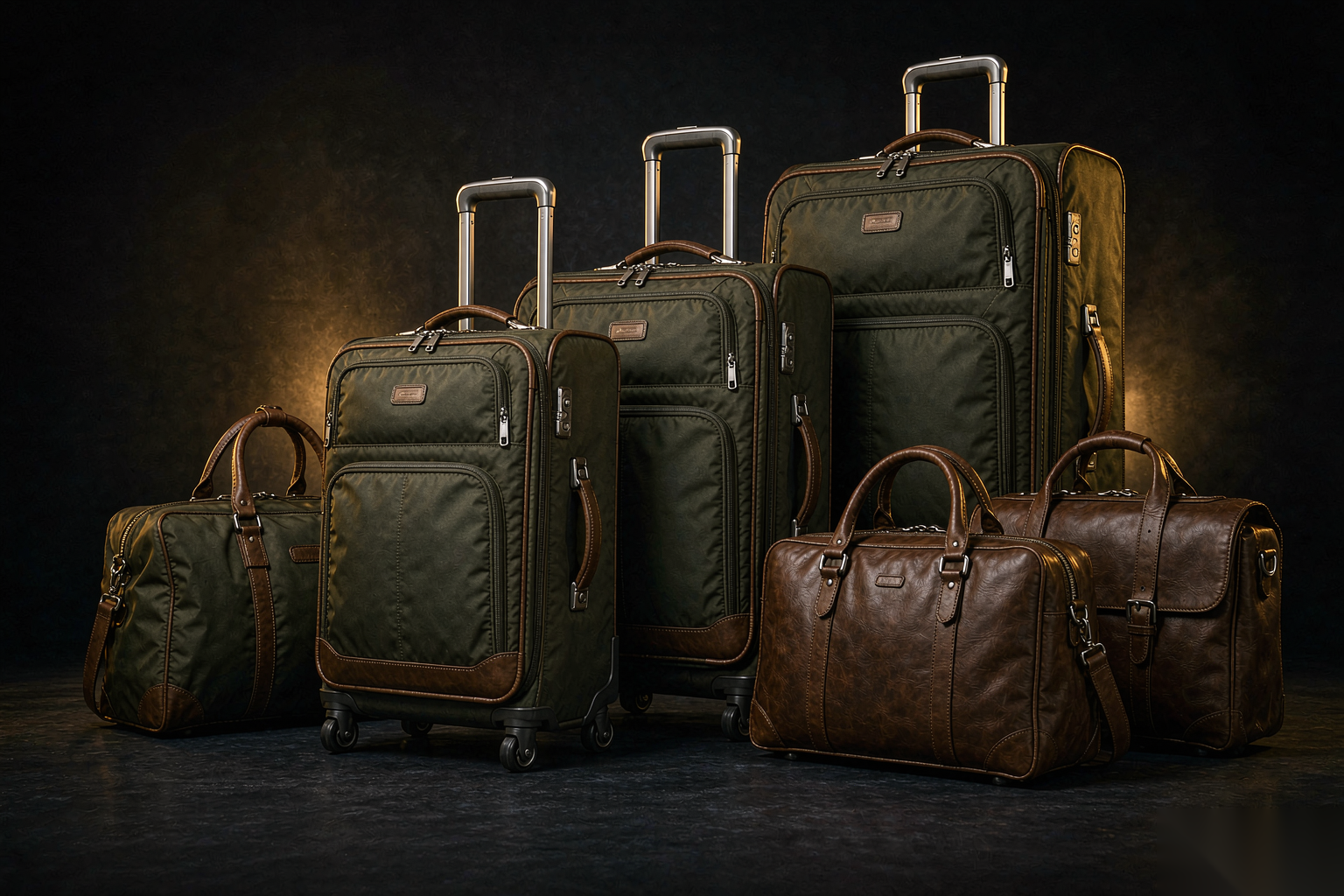
Insulated cooler bags solve a thermal engineering problem inside a soft-goods format: keep cold things cold (or hot things hot) for hours, in a bag that folds, wipes clean, and survives daily handling. Insulated cooler bag development is therefore three disciplines in one — thermal design, food-safe material selection, and standard bag construction. Here is how the lining, insulation, and food-safety choices actually work when you are developing a cooler bag line.
The Thermal Lining: The Heart of the Bag
The thermal lining is the layer that does the insulating work, and the material choice is the development's biggest decision:
Lining Material | Thermal Performance | Food Safety | Cost Class |
|---|---|---|---|
Aluminum foil laminate | Excellent reflectivity; blocks radiant heat | Food-safe grades available | Low |
PEVA (PEVA film) | Good thermal barrier; flexible | Food-safe, BPA-free | Low-mid |
EPE foam + foil | Foam layer + foil = best insulation | Food-safe | Mid |
TPU thermal film | Durable, wipeable, good barrier | Premium food-safe | Mid-high |
The development rule: the lining must be food-safe certified — it contacts food and drink directly. Confirm the certification (FDA, LFGB, or equivalent) with the factory at the spec stage, not after bulk. Our bag fabric coatings guide covers the treatment families that apply to the exterior; the lining is a separate spec with its own food-safety requirements.
Insulation Thickness and Thermal Performance
Insulation is a thickness-versus-portability trade:
Thin (3-5mm EPE foam): light, folds flat, adequate for short trips (2-4 hours). The lunch-bag standard.
Medium (5-8mm EPE foam): holds temperature for 6-8 hours; the day-trip and picnic standard.
Thick (8-12mm+ foam): maximum thermal performance; the camping and extended-trip standard. Adds bulk and weight.
The development question is the thermal performance target: how many hours does the bag need to maintain temperature? The answer drives the insulation spec, which drives the bag's weight, foldability, and cost. A lunch cooler and a camping cooler are different products despite the same name.
The Exterior Shell: Durability Meets Wipeability
The exterior takes the abuse the interior protects against. The spec:
Shell fabric. 600D polyester or nylon with PU coating — abrasion-tolerant, wipeable, and printable for branding. Our bag fabric coatings guide covers the coating options.
The base. Heavy-duty or double-layered — cooler bags sit on the ground, picnic tables, and boat decks. The base panel should be the toughest material in the build.
Handles and straps. Reinforced anchors with bar-tacks — cooler bags are carried loaded and heavy. The handle spec follows the standard bag hardware reinforcement rules.
The Zipper: The Thermal Weak Point
The zipper is the cooler bag's thermal weak point — every degree lost escapes through it. The spec decisions:
1. Zipper type. Wide-tooth coil zippers create a tighter seal than narrow ones.
2. Zipper flap. A fabric flap covering the zipper line adds a thermal barrier layer.
3. Slider quality. A smooth, durable slider matters — cooler zippers open and close constantly and take moisture exposure.
The zipper is also the #1 quality complaint in cooler bags — sliders that jam, tapes that separate, and teeth that misalign under load. The sample review should cycle the zipper twenty times loaded and inspect the seal closure.
Food Safety: The Non-Negotiable Layer
Cooler bags contact food directly — the linings, the interior walls, and the zipper tapes must all meet food-safety standards:
BPA-free certification for all plastic components (PEVA linings, coatings, pulls).
LFGB or FDA compliance for materials that contact food.
No odor test — a cooler bag that smells of chemicals on delivery will be returned regardless of its thermal performance.
These certifications are part of the material spec, not an afterthought. Confirm them in writing with the factory at the order stage.
Frequently Asked Questions
How long do insulated cooler bags hold temperature?
Depends on insulation thickness, ice pack usage, and ambient temperature. Thin-lining lunch bags hold 2-4 hours; medium-insulation day bags hold 6-8 hours with ice packs. The thermal target drives the insulation spec.
What is the best lining material?
PEVA film over EPE foam is the commercial standard: food-safe, flexible, good thermal barrier, and wipeable. Aluminum foil laminate offers better reflectivity but can crease and tear over time.
Can cooler bags go in the dishwasher?
No — the thermal lining, coatings, and foam layers cannot withstand dishwasher heat and pressure. Wipe-clean with mild soap and water is the standard care routine.
Why does my cooler bag zipper jam?
Moisture, thermal expansion, and debris in the teeth. A wide-tooth coil with a fabric flap over the zipper line prevents most jamming. The zipper spec is a development decision, not a replacement afterthought.
The Takeaway
Insulated cooler bag development is thermal engineering with food-safety constraints: the lining material and thickness drive the thermal performance, the food-safe certification is non-negotiable, and the zipper is the quality battleground. Spec all three at development and the bag will hold temperature as well as it holds up to daily use.
