
Quality & Inspection
Leather Care and Maintenance: The Guide Bag Brands Should Ship With Every Product
Leather ages beautifully when cared for and poorly when ignored. The care routine bag brands should write, print, and ship with every leather product.
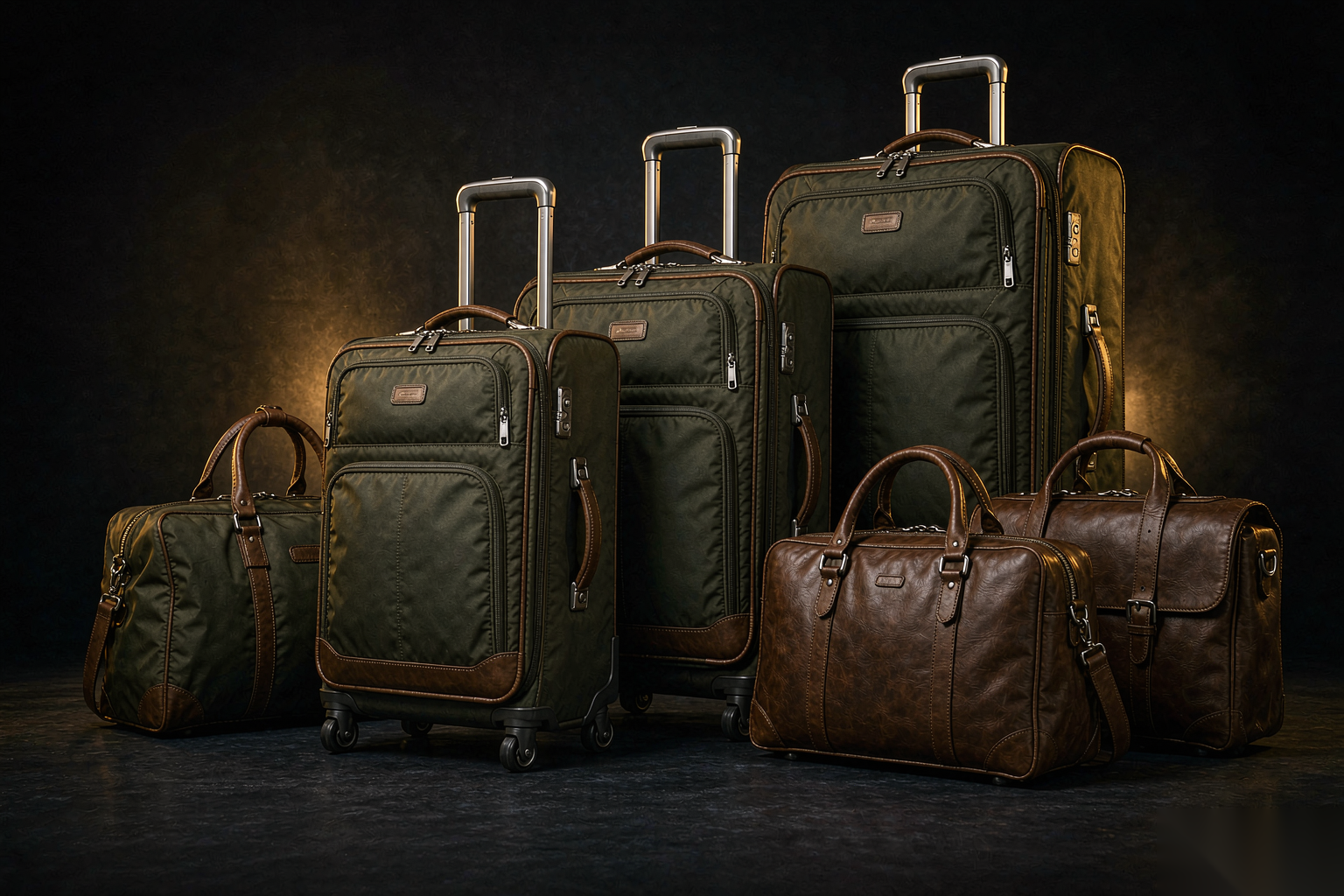
Leather ages in two directions: beautifully when cared for, poorly when ignored. The same leather bag can develop a rich patina that makes it look better after three years — or crack, dry out, and stain within six months. The difference is not the leather quality; it is the care routine the owner follows. And the owner follows the routine only if the brand tells them what it is. Leather care and maintenance is a document every bag brand should write, print, and ship with every leather product — because the bag's second-year appearance is decided by the care instructions that accompanied the first-day delivery. Here is the care guide, structured for bag brands to adapt and ship.
The Four Threats: What Damages Leather
Leather degrades through four mechanisms, each with a different prevention:
Threat | What Happens | Prevention |
|---|---|---|
Dryness | Leather loses natural oils, cracks at flex points | Condition every 3-6 months |
Water | Absorbs, stains, warps the shape | Blot immediately; never soak; air-dry |
Sun and heat | Fades color, dries and stiffens the surface | Store away from direct sunlight and heat sources |
Abrasion | Surface scratches, color loss at contact points | Accept as patina, or buff with a soft cloth |
Each threat has a different timeline: dryness takes months, water damage takes minutes, sun damage takes weeks, and abrasion takes days. The care routine addresses all four with a weekly habit and a quarterly treatment.
The Weekly Habit: Wipe and Air
The care routine that prevents 80% of leather damage takes two minutes per week:
1. Wipe with a dry, soft cloth. Removes dust, surface dirt, and moisture before they absorb into the leather. A microfiber cloth is ideal — it lifts particles without scratching.
2. Air the bag. Leather needs to breathe — a bag stored in a plastic bag or a closed cabinet for weeks develops mold and odor. Air it in a ventilated space, away from direct sunlight.
3. Check the hardware. Wipe metal hardware with a dry cloth — body oils and moisture corrode plated finishes over time.
The weekly habit is the care equivalent of brushing teeth: it prevents the problems that the quarterly treatment cannot fix.
The Quarterly Treatment: Condition and Protect
Every three to six months (depending on climate and use), the leather needs a conditioning treatment:
1. Clean first. A leather cleaner (not soap, not detergent) removes accumulated oils and dirt that block the conditioner from penetrating.
2. Apply leather conditioner. A cream or balm that replenishes the leather's natural oils — preventing drying and cracking. Apply thinly, evenly, and let it absorb overnight.
3. Buff. After the conditioner absorbs, buff with a clean cloth to restore the surface finish.
4. Test first. Apply the conditioner to an inconspicuous area (the bag's base or interior) before treating the whole bag — some conditioners darken certain leathers.
The conditioning routine keeps the leather supple and prevents the cracking that no repair can undo. The conditioner choice matters: a conditioner for smooth leather may not suit suede or nubuck, and a conditioner with silicone may create a surface barrier that prevents future conditioning from penetrating.
The Emergency Response: What to Do When Things Go Wrong
Four emergency scenarios and their immediate response:
Scenario | Immediate Response | Do NOT |
|---|---|---|
Water spill | Blot with dry cloth immediately; air-dry naturally | Do not use heat (hair dryer, radiator) — it cracks the leather |
Oil stain | Blot excess; apply talcum powder or cornstarch; wait 24 hours; brush off | Do not rub — it spreads the stain deeper |
Ink mark | Dab with a cotton swab and isopropyl alcohol (test first) | Do not scrub — it spreads the ink and damages the finish |
Mold | Brush off outdoors; wipe with a vinegar-water solution (1:1); condition after | Do not use bleach — it destroys the leather's finish permanently |
The emergency response is the section the guest reads when something has already gone wrong — and the quality of the brand's advice at that moment determines whether the customer blames the bag or the accident.
The Care Card: What to Print and Ship
Every leather bag should ship with a care card — a printed card or a small booklet that covers:
1. The weekly habit (wipe, air, check hardware)
2. The quarterly treatment (clean, condition, buff)
3. The emergency response (water, oil, ink, mold)
4. The storage advice (stuff with paper to hold shape, store in a dust bag, never in plastic)
5. The product-specific notes (suede vs. smooth leather, coated vs. uncoated, colored vs. natural)
The care card is a brand touchpoint: it says "we care about this product after you buy it" — and it prevents the complaint that no brand survives: "the bag fell apart because nobody told me how to care for it."
The Supplier Conversation: Ask About the Leather Type
The care routine depends on the leather type — and the brand should confirm the leather type with the factory at the order stage:
Full-grain leather. The most durable and the most responsive to conditioning — develops the richest patina.
Top-grain leather. Slightly corrected surface; still responds to conditioning but with less patina development.
Suede / nubuck. Requires a different care routine entirely — brushed with a suede brush, cleaned with suede erasers, never conditioned with standard creams.
The leather type is a spec line in the tech pack. Our bag sourcing guide covers how to confirm material specs with the factory, and our development process includes the care documentation as a deliverable alongside the product itself.
MOQs depend on the product and factory. Tell us what you need and we confirm what is realistic before you commit to anything. Leather care cards and dust bags are add-ons that carry their own printing minimums — knowable from the factory before the order locks.
Frequently Asked Questions
How often should I condition a leather bag?
Every 3-6 months for regular use; every 2-3 months in dry climates or for daily-use bags. Over-conditioning can also damage leather — the leather should absorb the conditioner but never feel greasy.
Can I use household products on leather?
No. Household products (soap, detergent, alcohol, vinegar) strip the leather's natural oils and finish. Use products specifically formulated for leather care — and test on an inconspicuous area first.
What is the difference between suede and smooth leather care?
Suede and nubuck are brushed, not wiped — a suede brush lifts the nap and removes surface dirt. Standard leather conditioners and cleaners will damage suede's texture. The care routine is entirely different.
Should I store my leather bag in a dust bag?
Yes — a cotton or non-woven dust bag protects from dust and light while allowing the leather to breathe. Never store leather in plastic: it traps moisture and causes mold.
The Takeaway
Leather care and maintenance is a brand document, not a consumer afterthought. The four threats, the weekly habit, the quarterly treatment, the emergency response, and the printed care card — they together determine whether the leather bag the customer bought develops a patina they love or a crack they complain about. Write the care guide, print the card, and ship it with every leather product.
