
Industry Insights
Luggage Tags and Travel Accessories: The Small Products That Build Brand Loyalty
Luggage tags, passport holders, and cable organizers are the lowest-cost, highest-frequency brand touchpoints in a travel line. How to develop the accessories that build loyalty.
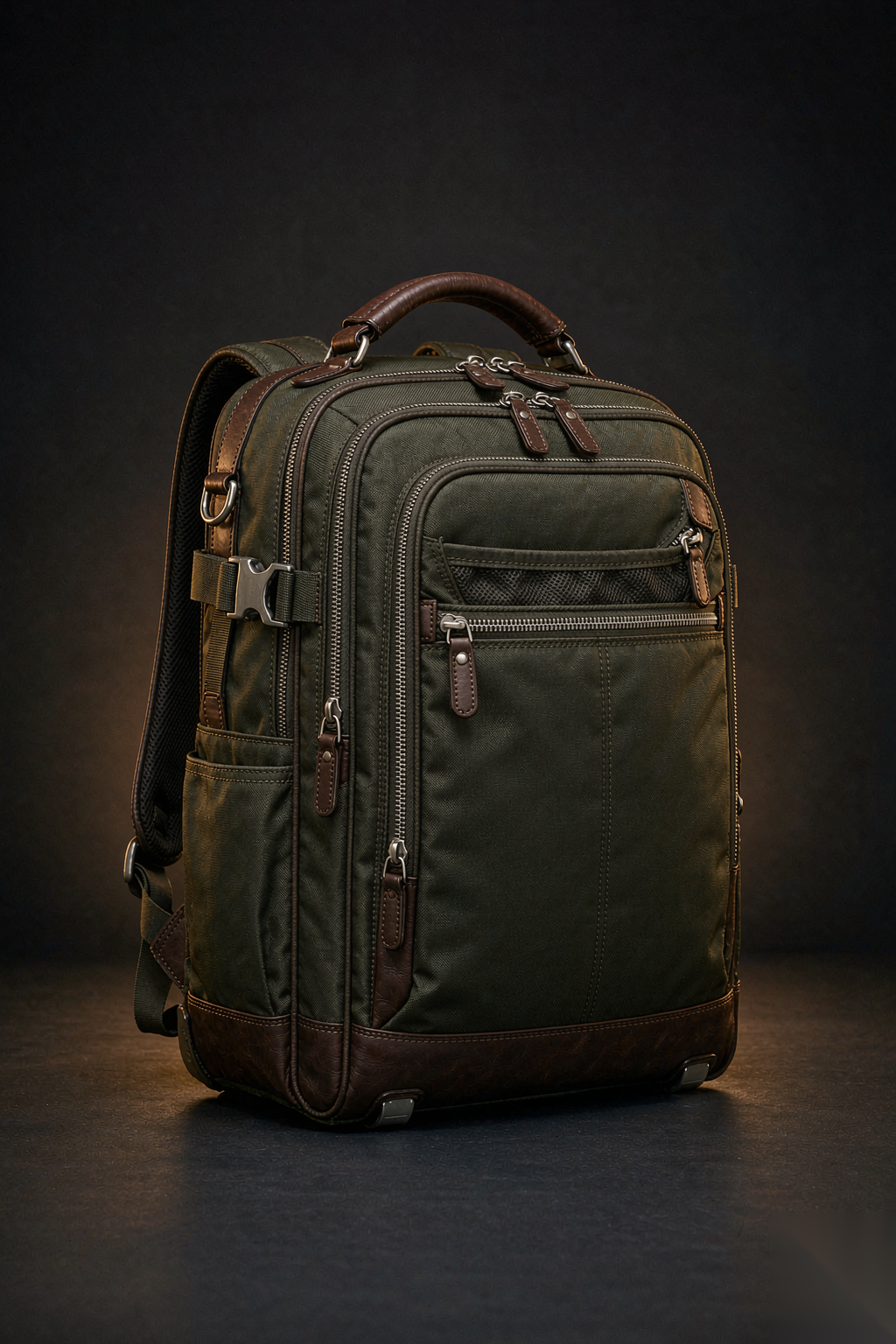
Luggage tags, passport holders, and cable organizers are the lowest-cost, highest-frequency brand touchpoints in a travel line. They are the pieces the buyer sees every day — at the airport, in the hotel, in the backpack — long after the main bag has been checked. Luggage tags and travel accessories are therefore the loyalty builders in a bag line: small products that keep the brand in the customer's life between trips. Here is how to develop the accessory range that turns a one-time bag buyer into a repeat customer.
Why Accessories Are the Loyalty Engine
The economics of travel accessories favor the brand:
Low material cost. A luggage tag uses less fabric than a pocket; a passport holder is a single folded piece. The material cost per unit is a fraction of the main bags.
No structural complexity. No frames, no load-bearing calculations, no suspension systems — just fabric, stitching, and a closure.
High frequency of visibility. The luggage tag is on the bag every time it travels; the passport holder is opened at every immigration counter; the cable organizer is opened every workday. Each use is a brand reminder.
Low MOQ risk. Accessories are small, light, and cheap to produce — the inventory risk is a fraction of the main bags.
The brand that ships a premium bag with a matching luggage tag has planted a seed: the next purchase is likely an accessory from the same line, because the design language is already in the customer's hands.
The Accessory Range: What to Develop
The accessory range divides into three tiers by price and complexity:
Tier | Products | Material | Development Complexity |
|---|---|---|---|
Entry | Luggage tags, key chains | Leather or rPET scrap | Minimal — single-panel construction |
Mid | Passport holders, card holders, cable organizers | Vegan leather, rPET, nylon | Low — folded and stitched, one zipper max |
Premium | Tech organizers, wash bags, packing cubes | Coated fabric, mesh, TPU lining | Moderate — multi-compartment construction |
The entry tier is the brand's loyalty builder: luggage tags at low cost with high visibility. The mid tier is the revenue driver: passport holders and cable organizers at moderate margins with high frequency of use. The premium tier extends the line into the same category as the main bags.
The Luggage Tag: The Simplest Product That Carries the Brand
A luggage tag is a folded piece of material with an identification window and a strap. The development spec fits in five lines:
1. Material. Leather, vegan leather, or heavy rPET — the material matches the main bag line's design language.
2. Size. Business-card sized (approximately 9 × 5.5 cm) — large enough for identification, small enough for any handle.
3. ID window. A clear plastic window on one side for the identification card.
4. Strap. A loop or buckle strap that attaches to any bag handle.
5. Branding. The logo embossed, printed, or debossed on the face — the tag IS the brand touchpoint.
The luggage tag's development cost is nearly zero when produced alongside the main bag line — the material scraps from the main bags' cutting process are large enough for tags. This is the margin sweet spot: a product made from waste material that builds brand loyalty.
The Passport Holder: The Mid-Tier Revenue Driver
A passport holder is a folded piece with slots for a passport, cards, and boarding passes. The spec:
Material. Vegan leather or heavy rPET — the material should feel premium in the hand.
Layout. Two to four card slots, one passport slot, one boarding pass pocket.
Closure. Elastic band or magnetic snap.
Size. Fits a standard passport (125 × 88 mm) with the slots accessible when opened.
The passport holder is the accessory that travels most frequently — it is opened at every airport, every hotel check-in, and every border crossing. The brand is seen more often than any other product in the line.
MOQs depend on the product and factory. Tell us what you need and we confirm what is realistic before you commit to anything. Accessory MOQs are the friendliest in the line — the material costs are low and the construction is simple — knowable from the factory before you commit.
The Development Sequence
The accessory range develops after the main bags are sampled — the design language is inherited from the main line, and the material scraps from the main bags' cutting process become the entry-tier accessories' raw material. The sequence:
1. Design language lock. The main bag's material, hardware finish, and color palette are locked first.
2. Accessory spec. The accessory range inherits the design language and adds category-specific features (ID windows, card slots, cable loops).
3. Material sourcing. The main bags' fabric offcuts become the entry-tier accessories' material; the mid and premium tiers source their own materials to match.
4. Sampling and production. All accessories sample and produce alongside the main bags' bulk run — one shipment, one consolidation.
Frequently Asked Questions
What accessories should a new bag brand launch first?
The luggage tag (entry tier) and the passport holder (mid tier). Both are low-cost, high-visibility, and use the same materials as the main bags. They build loyalty without significant inventory risk.
Can accessories be made from the main bags' fabric offcuts?
Yes — leather and canvas offcuts from the main bags' cutting process are large enough for luggage tags and small accessories. This reduces material waste and creates a genuine sustainability story.
How do accessories affect the brand's average order value?
A buyer who purchases a $200 bag adds $30-50 in accessories at checkout — a 15-25% basket increase at near-pure margin. The accessories also increase repeat-purchase frequency: accessories wear out and need replacement more often than main bags.
The Takeaway
Luggage tags and travel accessories are the loyalty engine of a bag line: low cost, high frequency, and always visible. Develop the accessory range after the main bags are sampled, using the same design language and — where possible — the same materials. The tag that rides on the bag's handle is the brand's cheapest and most effective advertisement.
