
Industry Insights
Midsole Molding Processes: Injection, Compression, and Pour
Injection, compression, and pour midsole molding compared—cost structure, MOQ behavior, surface finish, and how to pick by brand size.
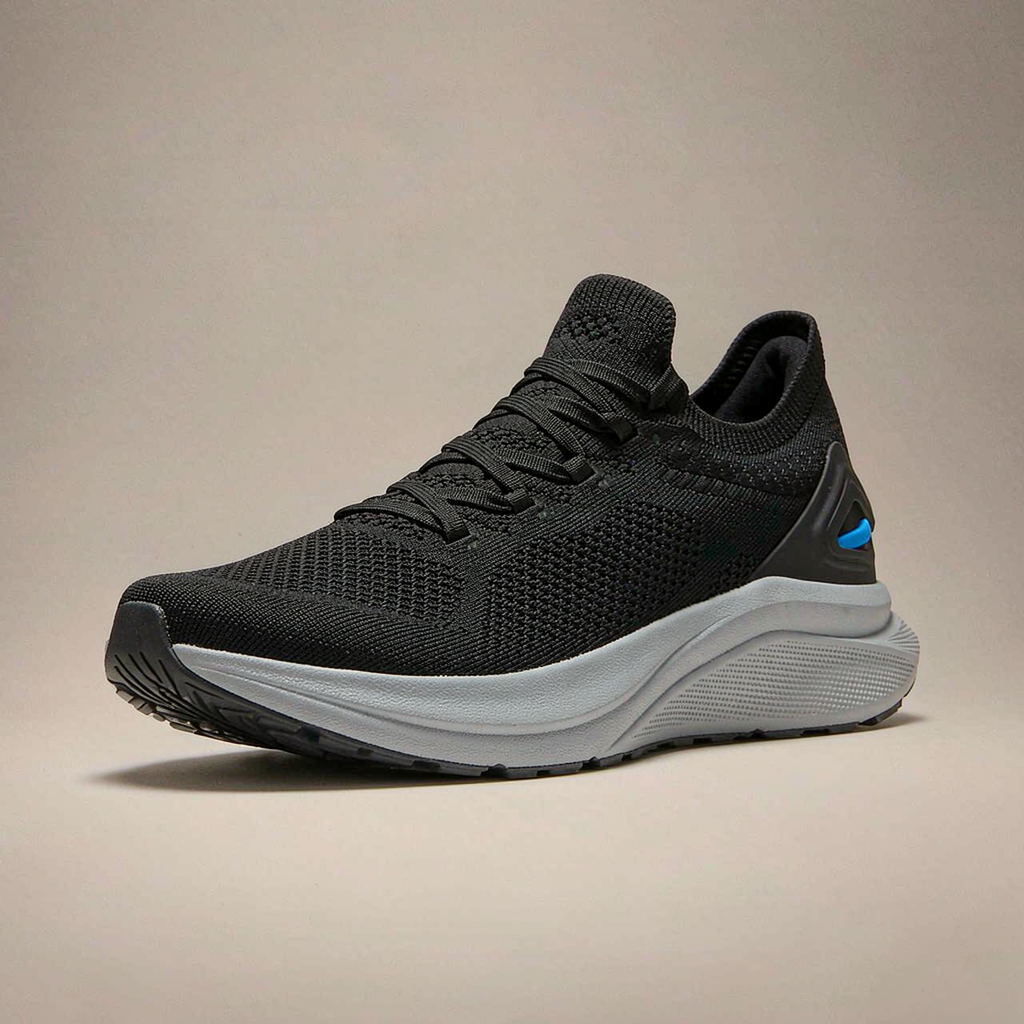
# Midsole Molding Processes: Injection, Compression, and Pour
Choosing a midsole material is only half the decision—the molding process that shapes it changes cost structure, minimum order behavior, surface quality, and which factories can even quote your project. Three processes dominate sneaker midsoles: injection molding, compression molding, and pour (pouring/poured polyurethane) systems. Small brands rarely choose between them consciously; they inherit whichever process the first factory they contact happens to run. This guide compares the three so the choice is yours, made on purpose.
The Three Processes at a Glance
Injection molding melts EVA compound and injects it into a closed mold under pressure. The midsole comes out as a single homogeneous part with a smooth skin. Tooling is steel-grade and precise; cycle times are short. This is the high-volume workhorse of the athletic industry.
Compression molding starts from foamed EVA sheets or blocks that are cut, stacked (often in multiple densities), and pressed in heated molds. The foam expands and takes the mold's shape. Tooling is aluminum and cheaper; cycle times are longer; density stacking allows layered constructions that injection cannot achieve.
Pour molding (polyurethane pour systems) mixes two liquid components that react and expand inside an open mold. PU pour midsoles have a distinctive dense skin with a cellular core, excellent resilience, and a premium hand-feel—but the chemistry is more sensitive, and scrap rates rise when process discipline slips.
Aspect / Injection EVA / Compression EVA / PU pour
• Tooling cost — High (steel, precise) — Moderate (aluminum) — Moderate (aluminum, simpler vents)
• Per-pair cost at volume — Lowest — Low–moderate — Moderate–higher
• Small-run friendliness — Poor — Good — Moderate
• Multi-density layering — Difficult — Natural strength — Possible with inserts
• Surface finish — Smooth, uniform skin — Matte, may show sheet seams — Dense skin, premium feel
• Color consistency — Excellent — Good, batch-dependent — Good, chemistry-dependent
• Typical MOQ behavior — High (amortize tooling) — Moderate–low — Moderate
How Each Process Fits Brand Sizes
Startups and first releases (tens to low hundreds of pairs). Compression molding is the pragmatic default. Aluminum tooling is affordable, factories accept smaller runs, and multi-density stacks let you tune feel without custom chemistry. Most of the small batch sneaker production ecosystem in Fujian runs on compression-molded EVA.
Growing brands (hundreds to a few thousand per colorway). Compression still works and remains the flexible choice, but injection becomes quotable—especially for simple geometries and repeating colorways, where its per-pair economics start to win. This is the stage to compare both processes on the same spec and let real quotes decide.
Established volumes (thousands+ per style). Injection dominates on simple, repeating midsole geometries; PU pour competes in comfort and premium casual segments where its feel and durability support higher retail prices. At this scale, tooling amortization makes the high-precision routes affordable.
The Details That Show Up in Samples
Each process has signature quality tells you can check on first samples:
• Injection: look for gate marks and short-fill at thin sections; check parting-line flash. The skin is smooth and consistent—color should match across pairs easily.
• Compression: look at the sides for sheet stacking seams and slight density banding; edges may need trimming cleanup. Multi-density layers should bond without visible glue lines at the flex zone.
• Pour: the skin should be dense and closed, without bubbles or swirl marks; the pour gate area is trimmed. Over-pour and under-pour both happen in factories with loose process discipline—check several pairs, not one.
None of these are disqualifying; all of them are spec-able. "No short-fill, flash within 0.5 mm, no visible seams at flex zones, color per approved sample" gives inspection something concrete to hold goods against.
Why the Process Constrains Design
Designers and molding processes negotiate constantly:
• Undercuts and complex geometry. Injection handles some shapes compression cannot release from the mold; pour handles organic shapes well but with its own draft limits.
• Wall thickness. Very thin midsole walls are an injection strength; very thick, soft stacks are a compression strength.
• Two-tone midsoles. Compression achieves color blocking by stacking different-colored foam layers; injection needs multi-component tools (more expensive); pour can vary color per shot with discipline.
• Texture and painting. Pour and compression surfaces take paint differently; if your design needs painted midsole effects, raise it before tooling so the process chosen supports the finish.
Bring your factory into these conversations before the mold is cut—the cheapest moment to change a design is on paper, and the cheapest process to choose is the one the design was shaped for.
Mixing Processes on One Shoe
Real sneakers frequently combine processes: a compression-molded EVA midsole cemented into a rubber cupsole outsole; an injected EVA wedge inside a vulcanized-adjacent build; a PU pour midsole with a TPU heel insert. Each additional process adds a vendor, a bonding interface, and an inspection point. For a small brand's first models, one midsole process plus one outsole solution is the cleanest structure—add combinations once the line's quality systems are proven. The midsole foam types guide pairs with this one: choose the material and the process together, because the same EVA behaves differently through each route.
Choosing a Process with a Manufacturing Partner
Process availability is really a map of factories: Fujian's Quanzhou–Jinjiang belt hosts compression lines across dozens of workshops, injection lines at mid-size factories, and pour systems at comfort-shoe specialists. We match a brand's quantity, geometry, and price point to factories that run the appropriate process daily, compare quotes on identical specs, and check first samples against the process-specific quality tells above. Our sneaker development cost guide shows how tooling choices flow into the budget.
On minimums: "MOQs depend on the product and factory. Tell us what you need and we confirm what is realistic before you commit to anything."
FAQ
Which molding process is best for a first sneaker release? Compression molding, in most cases: aluminum tooling keeps entry cost low, factories accept smaller quantities, and density-stacked constructions let you tune comfort without custom chemistry. Injection and pour become interesting at larger volumes or when the design specifically demands their strengths.
Why is injection molding more common at big brands? Its per-pair cost at volume is the lowest and its consistency is excellent—exactly what large runs need. The trade-off is expensive steel tooling and high practical minimums, which is why small brands rarely see injection quotes until order quantities grow.
Do different molding processes change how the shoe feels? Yes, noticeably. Compression allows soft multi-density stacks with distinct zones; injection gives a uniform, slightly firmer ride with a smooth skin; pour delivers a dense-skinned, resilient feel associated with comfort-casual shoes. The same nominal EVA specification feels different through each process—approve feel on physical samples, never on paper.
Can I switch processes between production runs? Possible but not free: a new process needs new tooling (or adapted tooling), and the shoe's feel will shift slightly because each process renders the material differently. If growth is the plan, design the midsole geometry to be process-portable and discuss the migration path with the factory before the first mold is cut.
