
Sourcing Guides
OEM vs ODM vs OBM: Which Manufacturing Model Fits Your Product
OEM vs ODM vs OBM explained: which model fits your design control, MOQ, and budget needs.
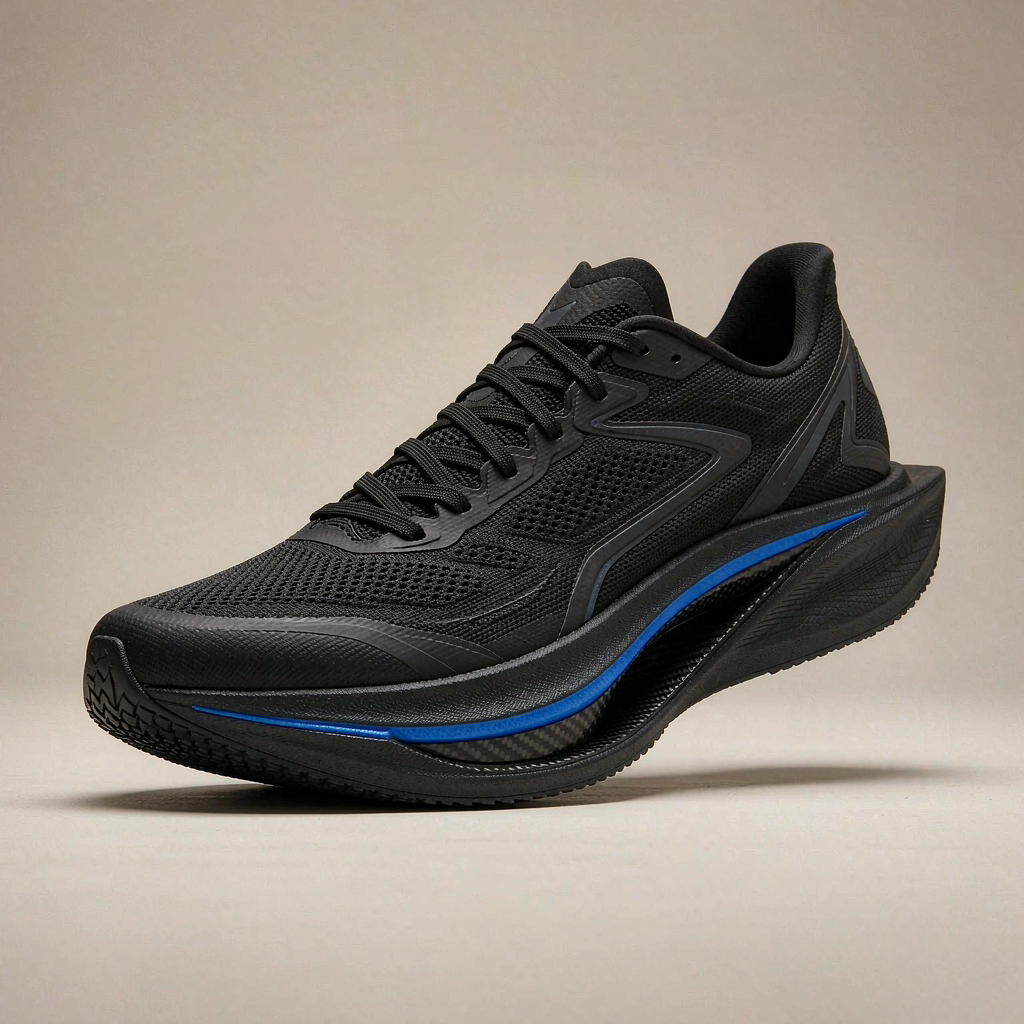
OEM vs ODM vs OBM: Which Manufacturing Model Fits Your Product
Search "OEM vs ODM" and you'll find plenty of definitions and very few straight answers about which one to pick. The choice matters more than most guides suggest: it determines who owns the design, what MOQs you will face, how long production takes, and what every unit costs you.
This guide covers the three models in plain terms—what OEM, ODM, and OBM actually mean, how they compare side by side, and a decision framework based on your budget, customization depth, order size, and brand stage.
What OEM, ODM, and OBM Actually Mean
OEM: You Design, the Factory Builds
In an OEM arrangement, you bring the design and the factory builds to it. You supply the tech pack—measurements, materials, colors, construction details—and the factory produces exactly what you specified. The design is yours from day one.
Footwear works this way: lasts, uppers, outsoles, and tooling are all agreed against your spec before mass production starts. If you are developing shoes on your own design, our guides to footwear sourcing and Quanzhou shoe manufacturers walk through that process.
Two OEM details worth locking down in writing:
Mold and tooling ownership. If the factory fronts the cost of molds, clarify who owns them once you have amortized the cost. It affects whether you can move production elsewhere later.
IP assignment. Your artwork, patterns, and tech pack should be contractually yours, not just "understood."
ODM: The Factory Designs, You Rebrand
In ODM—Original Design Manufacturer—the factory has already designed and tooled the product. You choose from its catalog, customize what is customizable, and sell under your brand. The factory's R&D has done the heavy lifting; your job is selection and branding.
Slip-ons are a classic example. Many footwear factories keep deep catalogs of ready designs, which is why slip-ons and classic trainers are a common first product for new brands. Our footwear development overview shows what that looks like in practice.
The trade-off is ownership. The base design stays the factory's, and it can generally sell the same design to other buyers. If you want exclusivity—a colorway reserved for you, or your logo as the only branding on that model—raise it early and get it into the order terms.
OBM: The Factory Owns the Brand Too
OBM—Original Brand Manufacturer—goes a step further: the factory designs, produces, and sells under its own brand. You would be buying a finished branded product as a distributor or reseller, not having anything made for you.
Most brand-builders avoid OBM, for practical reasons:
You would compete with your own supplier's retail channel, and the factory will naturally prioritize its own brand over yours.
Any equity you build accrues to the factory's trademark, not yours.
Pricing leaves little margin, because the goods are already priced as a branded product.
There is no path to owning the design or the brand.
OBM fits a narrow case: you are a wholesaler or e-commerce seller who wants to carry an established factory brand without building one of your own.
OEM vs ODM vs OBM at a Glance
Factor | OEM | ODM | OBM |
|---|---|---|---|
Design origin | Yours—factory builds to your spec | Factory's existing design, customized by you | Factory's own branded product |
IP ownership | Yours, if assigned in writing (molds, artwork, tech pack) | Factory's, unless rights are negotiated | Factory's, including the trademark |
MOQs | Typically higher—custom materials and tooling | Typically lower—production lines already exist | Varies; often stock or distribution quantities |
Lead time | Longest: development, sampling, production | Shorter: sample from catalog, then production | Shortest: goods are ready to ship |
Unit price | Higher at low volume; scales down as tooling amortizes | Often lowest to start; less differentiation | Branded pricing; thinnest margin for the reseller |
Best for | Brands whose design is the differentiator | First orders, testing a category, tight budgets | Distributors carrying an established brand |
The table simplifies. Real projects often sit between models: a factory's ODM base with your custom materials and hardware is common, and many suppliers will quote it either way depending on volume. What matters is being explicit with the supplier about who owns what.
How Each Model Affects IP, MOQs, Lead Times, and Price
IP ownership. OEM gives you the strongest claim—but only if the contract assigns it. The most common misunderstanding in ODM is that customization transfers ownership; it does not. Your logo on a factory design does not make the design yours. Mold ownership, artwork rights, and any exclusivity all belong in writing, before production starts.
MOQs. ODM catalog orders typically carry lower minimums, because the production lines and tooling already exist. OEM typically requires higher minimums to justify custom materials, molds, and sampling—though this varies a lot by product and factory. Our position is simple: "MOQs depend on the product and factory. Tell us what you need and we confirm what is realistic before you commit to anything."
Lead times. OEM runs longest: development, sampling, revisions, then production. ODM is faster because sampling starts from an existing product. OBM is shortest—you are buying goods that already exist—but shortest is not the same as most useful if the product is not really yours.
Unit price. ODM usually starts cheapest, because tooling costs are shared across buyers. OEM costs more at the start and comes down as volumes grow and tooling amortizes. OBM leaves the least room: you buy a branded product at trade pricing and mark it up against the factory's own retail channel.
Private Label vs White Label: Where They Fit
In everyday usage, private label means your brand on a manufacturer's product, usually with some customization—effectively the retail-side name for ODM or light OEM—while white label means one generic product sold identically to many buyers, with the logo as the only difference. So if a supplier offers white label, expect little room for changes; if it offers private label, ask exactly what can be modified before you assume anything.
Choosing the Right Model: A Practical Framework
Work through four questions in order:
1. Budget. Limited funds or testing demand? ODM keeps upfront spend low. Budget that covers sampling and tooling? OEM becomes realistic.
2. Customization depth. Logo, colorways, packaging? ODM usually covers it. Your own patterns, materials, or functional design? You need OEM.
3. Order size. Small or unproven volumes favor ODM. Steady volumes that justify tooling favor OEM.
4. Brand stage. First product in a new niche: ODM. Established demand and a design worth protecting: OEM. Distributor who wants a ready-made brand: OBM, knowingly.
Most durable brands move ODM → hybrid → OEM as volumes grow. Starting with ODM does not lock you in; it just means your first capital goes to validating demand instead of tooling.
Discovery usually happens on platforms like Alibaba or 1688, and both are efficient for browsing ODM catalogs and gathering quotes. The harder work is verifying who you are actually dealing with and getting what was promised into the order terms.
How We Work Across OEM and ODM Projects
GlobalSala is a sourcing and export agent based in Quanzhou, Fujian, focused on functional footwear development. The model you choose changes what we do first, not how we work.
OEM projects: we match factories to your tech pack, arrange on-site sample reviews and factory visits in Quanzhou, and follow production through to shipment.
ODM projects: we shortlist factories whose catalogs match your category, confirm what can genuinely be customized, and get exclusivity and IP terms written into the order.
Before shipment: orders go through manual, piece-by-piece inspection, so the goods that ship are the goods you approved.
Export: we handle the export paperwork end to end.
Not sure which model fits? Tell us the product and your target volumes, and we will confirm what is realistic before you commit to anything.
FAQ
Is OEM better than ODM?
Neither is better in the abstract. OEM suits buyers whose design is the differentiator and whose volumes justify tooling and sampling. ODM suits buyers who need speed and lower upfront spend. Many successful brands start with ODM orders to validate demand, then move to OEM once the numbers support it.
In ODM, who owns the design?
The factory does, unless your contract assigns rights to you. Customizing colors or adding your logo does not transfer IP. If you need exclusivity on a design—or want to own a modified version—negotiate that in writing before production starts.
Can I start with ODM and switch to OEM later?
Yes, and it is a common path. Use ODM orders to test the market, then move to your own designs once volumes justify tooling and sampling. Expect a new development cycle: bring finalized specs and budget time for sampling before mass production.
What does OBM mean for buyers?
It means the factory sells products under its own brand, and you would distribute rather than manufacture. That suits wholesalers carrying an established brand. For buyers building their own brand, it offers no design ownership, no brand equity, and thin margins.
