
Sourcing Guides
Ordering Outsole Molds: What to Specify Before You Pay
What to specify when ordering outsole molds—mold material, parting lines, drafts, ownership, revisions, and the questions to ask first.
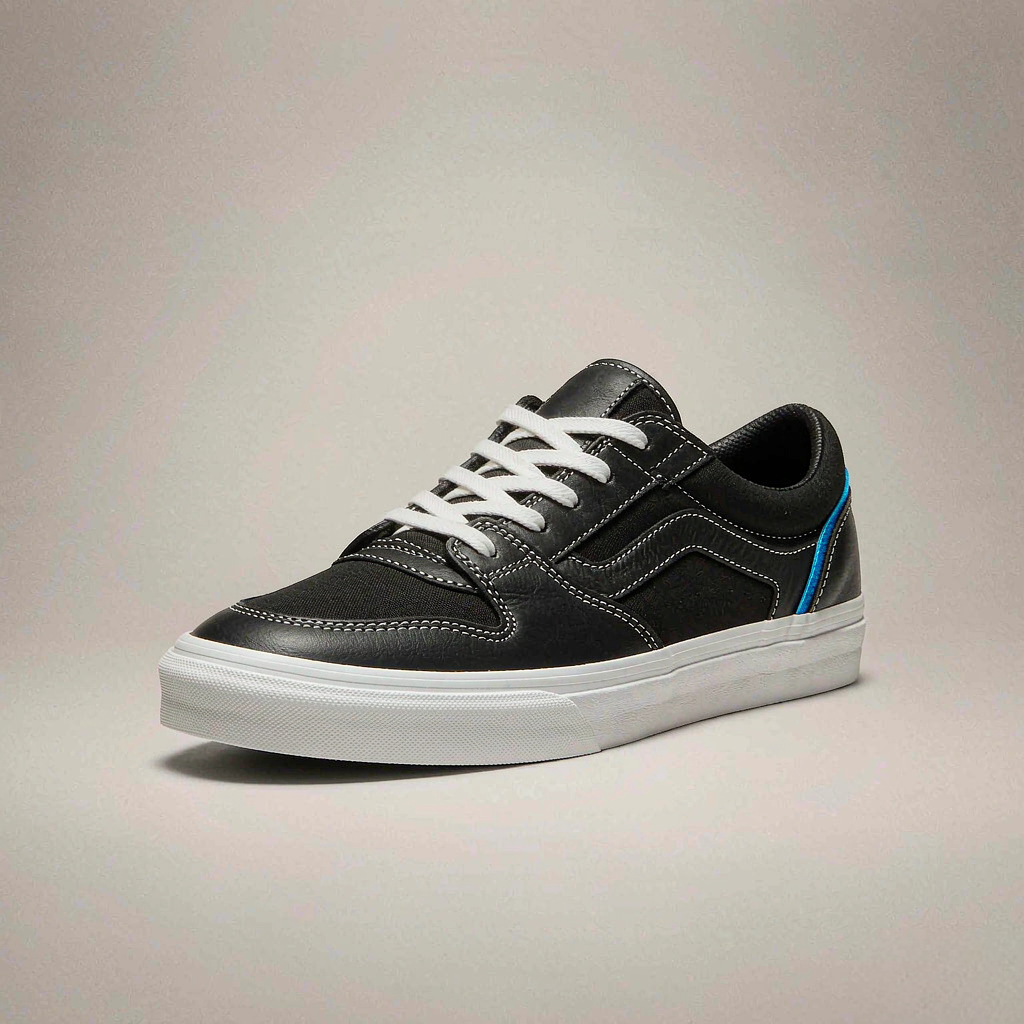
# Ordering Outsole Molds: What to Specify Before You Pay
The outsole mold is usually a sneaker project's largest single tooling expense, and it is also the component most often ordered on a handshake. That combination is why first-time brands discover, mid-project, that their mold can't hold a tread depth, can't run their color, or quietly belongs to the factory. A mold order is not complicated—but it has a short list of items that must be written down before money moves. This guide is that list.
What You Are Actually Buying
An outsole mold is a matched pair (or set) of aluminum or steel blocks machined with the negative of your sole: tread geometry, sidewall sculpture, brand marks, and the parting line where the two halves meet. The factory presses rubber or EVA into it per cycle. Three things vary enormously between quotes:
• Mold material. Aluminum is the standard for footwear—cheaper, faster to cut, and adequate for tens of thousands of cycles. Steel costs more and lasts longer; it earns its price only at high volumes.
• Cavity count. A one-pair mold produces one sole per cycle; multi-cavity molds raise throughput and cost. Small brands almost always start with one- or two-pair molds.
• Precision tier. CNC-machined molds give crisp lug edges and repeatable dimensions; hand-finished shortcuts show up as soft edges and inconsistent flash. Ask which you are getting.
These three answers explain most of the spread between a cheap mold quote and an expensive one. Neither extreme is wrong—but you should know which one you bought.
The Spec List to Put in Writing
Before paying any tooling deposit, get these items into the mold order document:
1. Sole drawing approved by both sides. The 2D tread drawing with lug dimensions, depths, and the flex-groove positions—not just a render or photo.
2. Mold material and cavity count. E.g., "aluminum, one-pair mold, CNC-machined."
3. Parting line position. Where the mold halves meet is visible on every sole you ship. Put it somewhere the design tolerates—usually high on the sidewall, aligned with a design line.
4. Draft angles and venting. Lugs need draft to release cleanly; vents prevent trapped air (the cause of rounded, incomplete lugs). Confirm the shop plans for both.
5. Brand marks. Logo embossing or debossing on the sole—position, depth, and whether it is part of this mold or added later.
6. First-article approval loop. The right to review first shots and request corrections before the mold is accepted. Two revision rounds built into the price is a reasonable ask.
7. Lead time and payment schedule. Mold lead times run in weeks; tie the balance payment to first-article approval, not to mold delivery alone.
Item 6 is the one that separates professional suppliers from casual ones. A mold shop confident in its work will include first shots and a correction round; one that wants full payment before you see a sole is telling you something.
Ownership: The Question Brands Forget to Ask
Who owns the mold? There are three arrangements in the wild:
Arrangement / What it means / When it's fair
• Brand-owned — You paid for it; it's yours, stored or shipped as you direct — You paid full tooling cost as a line item
• Factory-owned, amortized — Factory built it and recovers the cost across your orders — Tooling cost folded into unit price
• Factory-owned outright — Factory keeps it regardless; your design runs only there — You paid nothing for tooling
None of these are scams—but mismatched expectations are. The classic failure: brand believes they own a mold the factory counts as their own capital equipment. When the brand asks to move production, the answer is no. If you paid for the mold as an itemized cost, say in the order that the mold is brand property, request markings (many shops stamp owner IDs into the mold), and ask where it will be stored. Our mold ownership guidance is simple: clarity at order time, not at exit time.
Note the middle arrangement is often the right one for small brands: letting the factory own and amortize the tooling lowers your upfront cash and keeps the factory invested in the project. You trade away portability, and that trade should be conscious.
First Shots: The Inspection That Matters
When the mold is cut, the shop produces trial sole pressings—first articles. This is your one cheap chance to catch geometry problems. Check against the drawing:
• Lug edges crisp, not rounded or short-filled (trapped air or under-press)
• Tread depth within spec across the pattern
• Parting-line flash thin and trimmable, not excessive
• Logo marks legible and positioned per spec
• Sole weight consistent across shots
Findings at this stage cost a correction session. The same findings discovered after bulk production cost a mold rework, or worse, a season of flawed soles. If you cannot inspect first articles yourself—and most overseas brands can't—this is exactly the kind of checkpoint a local representative earns their fee on. Our sneaker development cost guide puts mold costs in the full budget context.
Revisions: Budget for One
Almost every first mold needs one correction. A lug fills short, a flex groove lands 2 mm off, a logo mark reads weak. Budget for it—financially and in the schedule—when you plan the project. What you should not budget for is revisions caused by an unapproved drawing: if the mold was cut from an unapproved render, correction costs belong to someone, and the argument is preventable. Written drawing approval before cutting is the cheapest insurance in this industry.
Ordering Molds with a Manufacturing Partner
Mold orders go better with someone in the room. We coordinate mold orders in the Quanzhou–Jinjiang belt—where outsole mold shops cluster next to the outsole factories they serve—review drawings before cutting, attend first-article checks, and keep mold ownership terms in writing. Combined with realistic MOQ expectations for the region, this turns tooling from the riskiest part of a first project into a routine one.
As always: "MOQs depend on the product and factory. Tell us what you need and we confirm what is realistic before you commit to anything."
FAQ
How much should an outsole mold cost? It varies with size, tread complexity, material, and cavity count, so treat any single number with caution. What you can do is request quotes from two or three mold shops on the identical approved drawing—identical specs turn a vague price question into a comparison you can actually judge.
Do I own the mold if I paid for it? Only if the order says so. Mold ownership follows the written arrangement, not the payment history. If tooling was itemized and paid by you, state in the order that the mold is brand property, ask for owner markings, and confirm storage arrangements.
What are first articles and why do they matter? First articles are the trial sole pressings made when a mold is new. They reveal fill problems, flash issues, and dimension errors while corrections are still cheap—a correction session now versus a mold rework after bulk. Treat first-article approval as a required milestone before any bulk sole production.
Can I reuse a mold for new colorways? Yes—molds are color-blind. Reusing one outsole mold across colorways is one of the standard ways small brands widen a line without new tooling cost, provided the sole design itself stays the same and the factory's MOQ per colorway allows small color runs.
