
Industry Insights
Should Your Brand Own a Shoe Last? Development Path, Costs, and When It Makes Sense
Owning a shoe last locks in fit and travels across factories. When a brand should commission a custom last, what development involves, and when factory lasts are fine.
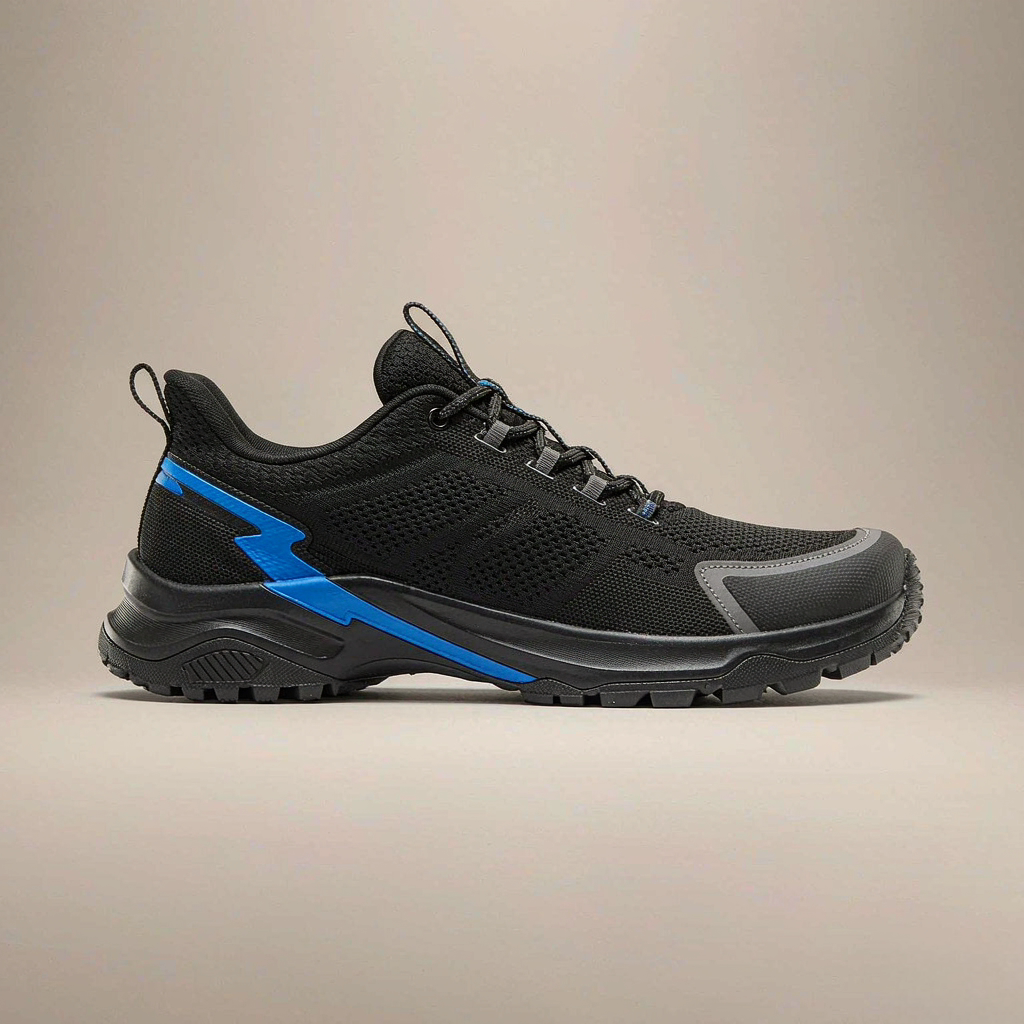
# Should Your Brand Own a Shoe Last? Development Path, Costs, and When It Makes Sense
Most brands never think about lasts. They think about silhouettes, colorways, materials—and then wonder why the second factory's "same size 42" fits nothing like the first. The last, the foot-shaped form around which every shoe is built, is the invisible decision underneath all of it. At some point a growing brand faces a real question: keep borrowing factory lasts, or commission and own a shoe last of your own? This guide walks through what owning a last actually involves, what development looks like, and the honest signal for when it's worth it.
What "Owning a Last" Actually Means
A last is a physical form—traditionally carved wood or high-density plastic—shaped like a foot with the dimensions of your intended fit: length, width at the ball, instep height, heel curve, toe shape, and the volume distribution that decides whether a size 42 feels like yours or like a stranger's.
Factory lasts are the forms a factory already owns and runs in production. Thousands exist across the Quanzhou and Jinjiang clusters, covering standard athletic, skate, retro-runner, and lifestyle shapes. When you develop a shoe on a factory last, you are renting a fit that any other brand can also rent.
Owning your last changes that. The form is yours: your heel curve, your toe spring, your volume. It becomes an asset in two directions. Fit consistency—your size 40 fits the same this season as last. And portability—the same last can run at a different factory, so your fit survives a supplier change.
The Development Path: What Actually Happens
Custom last development is a trade between fit intent and manufacturing reality. The process, in stages:
Stage / What Happens / Typical Timeline
• Fit brief — Define target fit: which existing shoe fits "right," where it fails, your market's foot characteristics — Days
• Reference selection — Pick base lasts closest to the target; try-on rounds with modified or reference shoes — 1–2 weeks
• Digitizing and CAD adjustment — Reference last is scanned; measurements adjusted in CAD to your brief — Under a week
• First carve — CNC-carved physical last produced — Days
• Fit trial — Shoe made on the new last; worn, measured, documented — 1–2 weeks
• Correction round — Adjustments carved; repeat trial if needed — 1–2 weeks
• Freeze and archive — Final last approved; dimensions archived digitally so replacements can be cut — Days
Two rounds of fit trial are normal; three happens with ambitious fits. The output at the end is not just the physical last—it is the archived dimensional file, which matters as much. A last that exists only as a physical object is a single point of failure; a digitized last can be re-carved, modified for a new silhouette, or sent to a new factory.
What It Costs Beyond Money
The cash cost of a custom last varies with complexity and market, so treat any single number skeptically—what you can plan for is the non-cash cost: calendar time and iteration discipline. Count on four to eight weeks from brief to frozen last if the fit trials go cleanly, longer if your fit targets are aggressive.
The other cost is decisions. Commissioning a last forces you to articulate fit in concrete terms—which is genuinely hard the first time. "Comfortable" is not a spec. "Heel grip without collar pressure, medium-volume forefoot, elongated toe profile like a 90s runner" is a spec. Brands that do this work once find every later development conversation easier, because the fit language now exists.
When a Custom Last Makes Sense
Honest signals that the investment is due:
• Fit is your differentiator. Your reviews mention comfort or fit consistently, and your repeat purchase story depends on it.
• You are repeating silhouettes. A brand on its third runner earns a last; a brand experimenting across categories does not yet.
• You are changing or adding factories. Portability value appears the moment production might move.
• Sizing feedback is systematic. Not one complaint—one pattern, across sizes, repeating.
And when factory lasts are the right call:
• First or second collection. You are still learning which silhouettes your market wants; lock fit after demand tells you.
• One-off experimental drops. The last investment cannot amortize over a single release.
• A factory's existing last already fits your brief. Sometimes the honest answer is that a proven factory shape, lightly adjusted, gets you ninety percent there for a fraction of the work. Our guide on how shoe lasts shape fit and sell-through covers that middle path.
How the Last Decision Fits the Wider Development
A last is not developed in isolation. Toe shape constrains pattern design; instep height constrains tongue construction; heel curve constrains collar padding. Commission the last before you freeze the upper design, or you will design a shoe your last cannot make—or a last your shoe does not need. The sequencing belongs inside a full development plan, which is why we treat last decisions as an early milestone in how a sneaker goes from concept to production, and why last conversations happen at the start of our development process.
MOQs depend on the product and factory. Tell us what you need and we confirm what is realistic before you commit to anything. Last development has its own version of that honesty: the number of fit trials you should budget depends on how far your target is from available reference lasts, and that distance is knowable before you commit.
Frequently Asked Questions
Can I use my own last at any factory?
Yes, provided the factory's equipment accommodates the last's sizes and construction method. This is the portability value of ownership. Share the physical lasts and the archived dimensional file, and confirm the factory can run the size run you need before committing.
How many sizes does a last project cover?
A single carved last covers one size; the full run is projected from it using grading rules—standard scaling per size with adjustments at the extremes. Digitized lasts make grading systematic; confirm your developer archives the graded file set, not just the base size.
Can I modify a last I already own?
Yes—within limits. Adding volume or adjusting shape on an existing last is a normal correction; dramatic changes (a completely different toe shape or heel geometry) are effectively a new carve from an adjusted base. Digital archives make either path faster.
Does owning a last guarantee consistent fit across styles?
It guarantees a consistent foundation. Upper materials, lining thickness, and construction still shift how a shoe feels—the same last builds differently in knit versus leather. Brands with their own lasts usually keep a fit-tested reference shoe per style family for exactly this reason.
The Takeaway
Own a shoe last when fit has become your brand's promise and repetition makes the investment amortize; use factory lasts while you are still discovering which shoes your market wants. Either way, make the decision consciously at the start of development—it is the one choice in sneaker production that silently shapes every shoe that follows.
