
Industry Insights
Packing Cubes as a Product Category: The Add-On That Builds Basket Size
Packing cubes are the highest-margin, lowest-complexity add-on in the luggage line. How to develop a cube set that sells alongside your main bags.
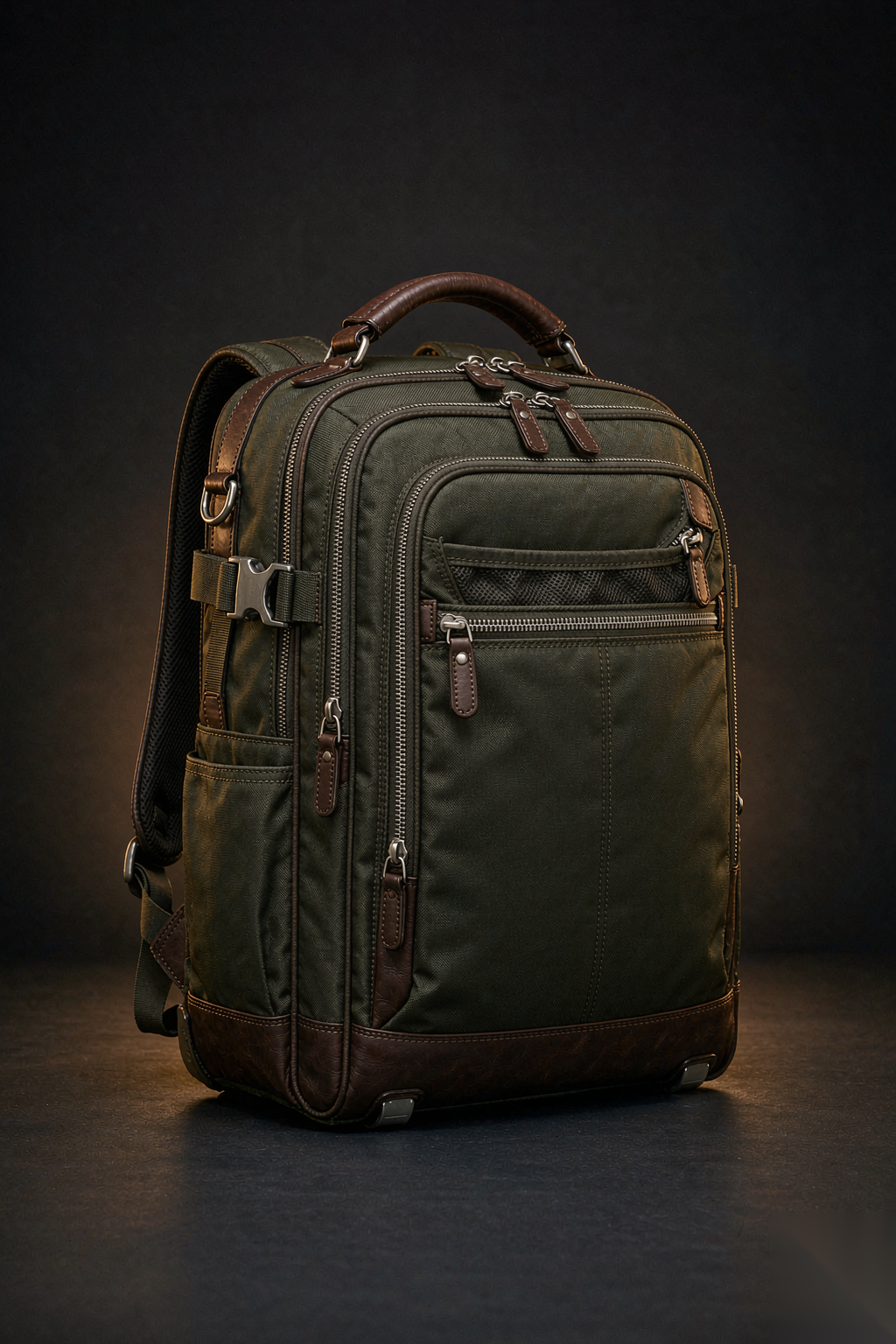
Packing cubes are the highest-margin, lowest-complexity product in any luggage line. They require no structural engineering, no frame, no heavy hardware — just fabric, mesh, and zippers. Yet they are the add-on that builds basket size: a customer who buys a spinner at full price adds a cube set at checkout because it completes the system. Packing cubes as a product category deserves deliberate development, not a catalog afterthought. Here is how to develop a cube set that sells alongside your main bags.
Why Packing Cubes Are the Perfect Add-On
The economics of packing cubes favor the brand:
Low material cost. Lightweight fabric (70D-210D), mesh panels, and small zippers — the cheapest Bill of Materials in the luggage line.
No structural complexity. No frame, no wheels, no telescoping handle — just flat panels sewn together.
High perceived value. Buyers see packing cubes as organizational tools that justify a price premium over their material cost.
Basket-size builder. A buyer who spends $200 on a spinner adds $30-50 on cubes — a 15-25% basket increase at near-pure margin.
The development investment is proportionally low: a cube set samples in one round (no structural iteration needed) and produces in high volume on standard sewing lines.
The Cube Set Architecture: Sizes That Nest
A well-designed cube set nests inside each other like Russian dolls — the set stores flat inside the largest cube when not in use. The standard architecture:
Cube Size | Dimensions (approx) | Contents | Quantity per Set |
|---|---|---|---|
Large | 45 × 35 × 10 cm | Jackets, sweaters, pants | 1-2 |
Medium | 35 × 28 × 10 cm | Shirts, folded items | 2-3 |
Small | 28 × 22 × 10 cm | Underwear, socks, chargers | 2-3 |
Slim | 35 × 20 × 5 cm | Belts, ties, flat items | 1-2 |
Shoe bag | 35 × 25 × 12 cm | Shoes, separate from clothes | 1 |
The nesting rule: all smaller cubes fit inside the large cube, and the large cube fits inside the main luggage piece. This is the storage feature that buyers test in the store — if the set doesn't nest, it doesn't sell as a set.
The Material Spec: Light, Strong, and Color-Coordinated
Packing cubes use lightweight fabrics because they carry clothes, not equipment:
Body fabric. 70D-210D ripstop nylon or rPET — light, tear-resistant, and takes color well. Our guide to canvas vs rPET covers the fabric choice; cubes almost always favor rPET for its weight and printing advantages.
Mesh top. Structural mesh on one face — lets the user see contents and provides ventilation. The mesh must be structural (holds shape), not decorative.
Zippers. Small coil zippers (size 5 or 8) with two pulls for easy access. The zipper is the main hardware cost — a quality slider matters because cubes are opened and closed constantly.
Color coding. Many sets use different colors per size — the buyer learns the color code ("blue is shirts, green is underwear") and it reduces packing time.
MOQs depend on the product and factory. Tell us what you need and we confirm what is realistic before you commit to anything. Cube MOQs are the friendliest in the luggage line — the simple construction and lightweight materials keep minimums low.
The Compression Feature: The Premium Upgrade
Compression cubes add a second zipper that compresses the contents by squeezing out air — the feature that justifies a price premium over standard cubes. The development:
A second zipper run around the cube's perimeter, approximately 2cm inside the primary zipper.
Two-layer construction — the outer layer zips normally, the inner layer compresses when both zippers are closed.
The compression ratio — 20-30% volume reduction is the realistic range. Claims above 40% are marketing, not physics.
Compression cubes are the premium tier in a cube set — they add cost in materials and sewing time but justify a 30-50% price premium at retail.
The Branding Opportunity: Cubes as Marketing Canvas
Packing cubes have more printable surface area per unit than almost any other luggage accessory. The branding options:
Full-surface sublimation on rPET cubes — the entire cube carries the brand's pattern or color.
Logo patch or print on the mesh panel or the front face.
Zipper pull branding — a custom-molded pull with the brand logo.
Inside printing — a brand message inside the cube, visible only when opened — a surprise-and-delight touch.
For brands building a luggage line, the cube set is the brand's business card — it travels inside the main bag and is seen every time the bag is opened. The branding investment pays for itself in brand recall.
Frequently Asked Questions
How many cubes should a set include?
The sweet spot is 5-7 pieces: one large, two medium, two small, one slim, and optionally a shoe bag. Fewer feels incomplete; more confuses the buyer.
What is the most common packing cube complaint?
Zipper failure — the small zippers on budget cubes jam and break within weeks. The zipper spec (a quality slider on a size 5-8 coil) is the single most important quality decision.
Can compression cubes replace vacuum bags?
No — compression cubes squeeze air from soft items (clothes) but cannot match vacuum bags' compression for bulky items (jackets, comforters). They serve different purposes.
The Takeaway
Packing cubes are the perfect add-on: low development cost, high margin, and a genuine utility that builds basket size. A well-designed cube set — nested sizes, quality zippers, and the compression upgrade — completes a luggage line and pays for its own development with the first hundred sets sold.
