
Industry Insights
Pet Carrier Bag Development: Designing for Comfort, Safety, and Airline Compliance
Pet carrier bags must satisfy airlines, veterinarians, and the pets themselves. The ventilation, safety, and compliance features that define the growing pet travel category.
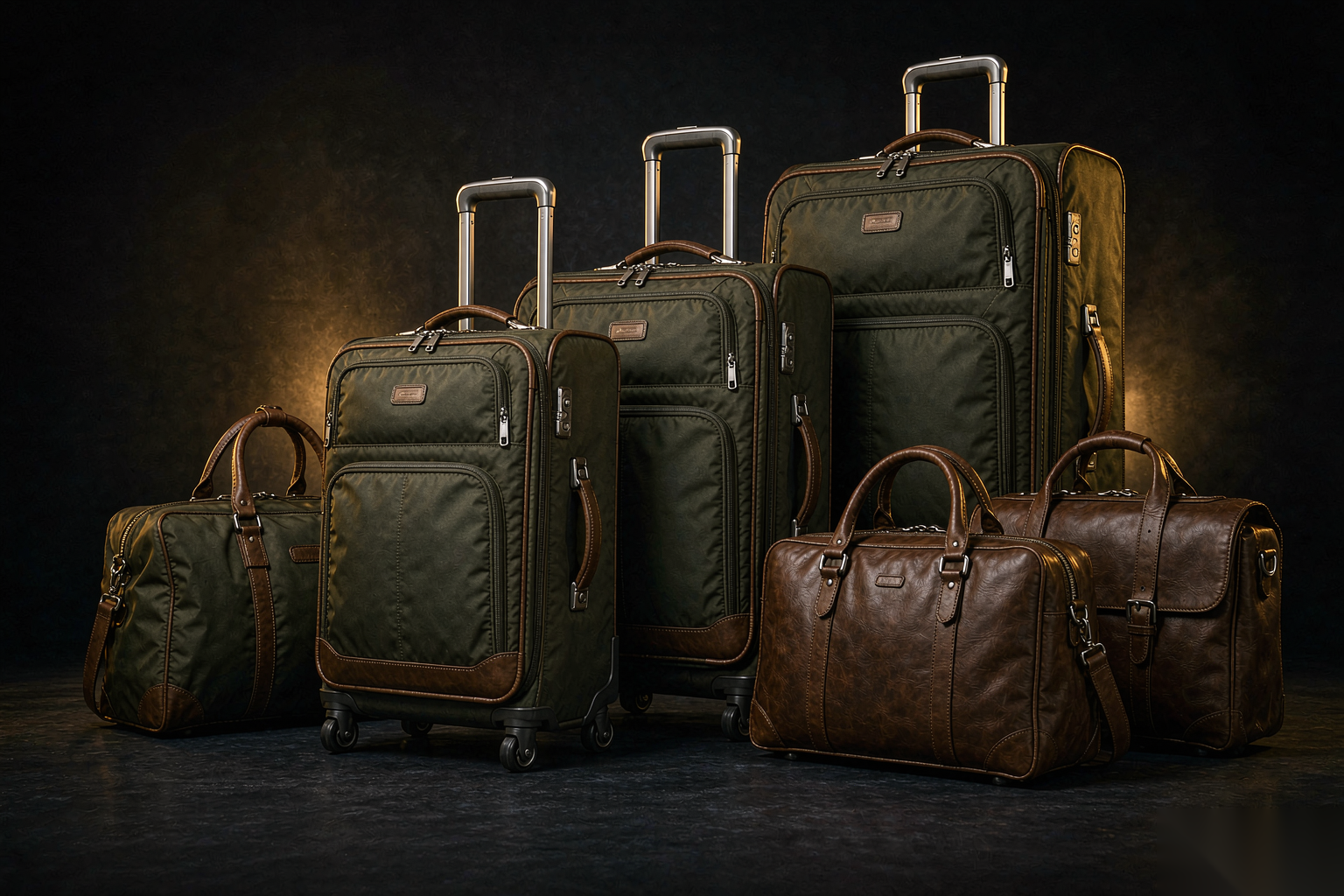
The pet carrier bag serves three clients at once: the pet, who needs comfort and safety; the owner, who needs convenience and style; and the airline, which needs compliance with dimensional and ventilation regulations. Pet carrier bag development must satisfy all three simultaneously — and the bags that do are entering one of the fastest-growing consumer bag categories, driven by the humanization of pets and the explosion in pet travel. Here is the development spec that covers all three clients.
The Airline Compliance Layer: The Non-Negotiable Foundation
Before any design decision, the carrier must meet airline requirements. The standards:
Requirement | Spec | Source |
|---|---|---|
Maximum dimensions | Varies by airline; soft-sided carriers get 1-2 inches flexibility | IATA and individual airline policies |
Ventilation | Mesh panels on at least two sides (opposite or adjacent) | IATA 1.4.1 |
Escape-proof | All zippers must be lockable or auto-closing | Industry standard |
Water-absorbent base | Absorbent pad in the bottom compartment | IATA 1.4.1 |
handles and straps | Secure, non-detachable handles | IATA requirements |
The dimensional requirement is the hardest constraint: the carrier must fit under the seat in front of the passenger — typically 43 × 30 × 20 centimeters for most airlines, though the exact dimensions vary. The development consequence: every feature (padding, pockets, structure) fits within a dimensional box that cannot expand.
The Pet Comfort Layer: What the Animal Needs
The pet is the client who cannot complain — but whose comfort determines whether the owner buys a second bag or a first-class ticket. The comfort spec:
Ventilation mesh. Two or more sides with structural mesh — not decorative mesh that pets can claw through, but structural mesh that holds shape and resists claws.
The base. A rigid, removable, washable base pad — pets need a stable surface to stand and lie on. A soft base is a comfort failure and a hygiene problem.
Interior space. The pet must be able to stand, turn around, and lie down naturally — the IATA guideline and the humane standard. The interior dimensions are the spec that decides which pet sizes the carrier fits.
Visibility. Mesh panels let the pet see the owner — reducing anxiety — while the owner can monitor the pet without opening the bag.
The Owner Convenience Layer: Features That Sell
The owner is the buyer, and the features that convert browsers are:
Shoulder strap with padded pad. The pet's weight concentrates on one shoulder — the pad distributes it and the strap adjusts for different heights.
Stroller clips. The same stroller-clip feature that defines diaper bag development — the carrier attaches to the pet stroller or luggage handle.
Storage pockets. Treats, waste bags, leash, water bowl — the pet equivalent of the diaper bag's organization layer.
Top-loading option. A second zipper opening on the top lets the pet enter from above (easier for reluctant pets) and gives the owner a second access point.
The Materials: Safety Meets Style
The material spec balances pet safety, owner convenience, and style:
The shell. 600D polyester or nylon — durable, wipeable, and available in colors and patterns that the pet-owner market demands. The pet accessories market is style-conscious.
The mesh. Structural mesh (not decorative) — the mesh must resist clawing, maintain shape, and provide ventilation. The mesh gauge and material are spec lines.
The base pad. Removable, washable, and absorbent — a Sherpa or fleece surface on top, waterproof backing underneath. The pad is the pet's comfort surface and the operation's hygiene layer.
The zippers. Auto-closing or lockable — a pet pushing against an unlocked zipper is an escape risk. The zipper spec is a safety feature, not just a hardware choice.
The Development Sequence
A pet carrier samples efficiently in two rounds:
1. Spec sheet defining the dimensional compliance box, the ventilation spec, the material classes, and the pet size range.
2. First sample reviewed with a real pet (or a weighted dummy) inside: check the pet's comfort, the ventilation airflow, the base stability, and the zipper security.
3. Correction round addressing what the pet test found.
4. Bulk with in-line checks on mesh attachment and zipper security.
MOQs depend on the product and factory. Tell us what you need and we confirm what is realistic before you commit to anything. Pet carrier MOQs are moderate — the construction is more complex than a tote but simpler than a structured luggage piece — and the pet-size range is a spec decision that determines the mold and material requirements.
Frequently Asked Questions
What are the airline dimensional requirements?
Most airlines accept soft-sided carriers up to approximately 43 × 30 × 20 centimeters under the seat. However, dimensions vary by airline and aircraft — the spec should state the target airlines and confirm their published requirements.
Is soft-sided better than hard-sided for pet carriers?
Soft-sided carriers are lighter, more comfortable for the pet, and more flexible for under-seat fitting. Hard-sided carriers offer more protection for checked-pet transport (cargo hold). For in-cabin travel, soft-sided is the industry standard.
What mesh material resists pet claws?
Structural mesh (polyester or nylon with a rigid weave) resists casual clawing. For dogs that scratch actively, TPU-coated mesh or double-layer mesh is the upgrade. The mesh spec is a safety line, not just a ventilation feature.
Can one carrier fit both cats and small dogs?
Yes — the dimensional range for in-cabin carriers (up to approximately 8 kg pets) covers most cats and small dog breeds. The interior dimensions and the weight rating determine which pets fit; the spec should state both.
The Takeaway
Pet carrier bag development serves three clients — the pet (comfort), the owner (convenience), and the airline (compliance) — and the bags that satisfy all three enter a category growing faster than almost any other consumer bag segment. The spec starts with the airline dimensional box and works inward: ventilation, safety, comfort, and the owner's features. The bag that gets all three right is the bag that flies.
