
Sourcing Guides
Sourcing Bags from Quanzhou: The Cluster, the Materials, and How First Orders Actually Work
Quanzhou is one of China's most concentrated bag production clusters. How the cluster is organized, which materials fit which price points, and how a first order runs.
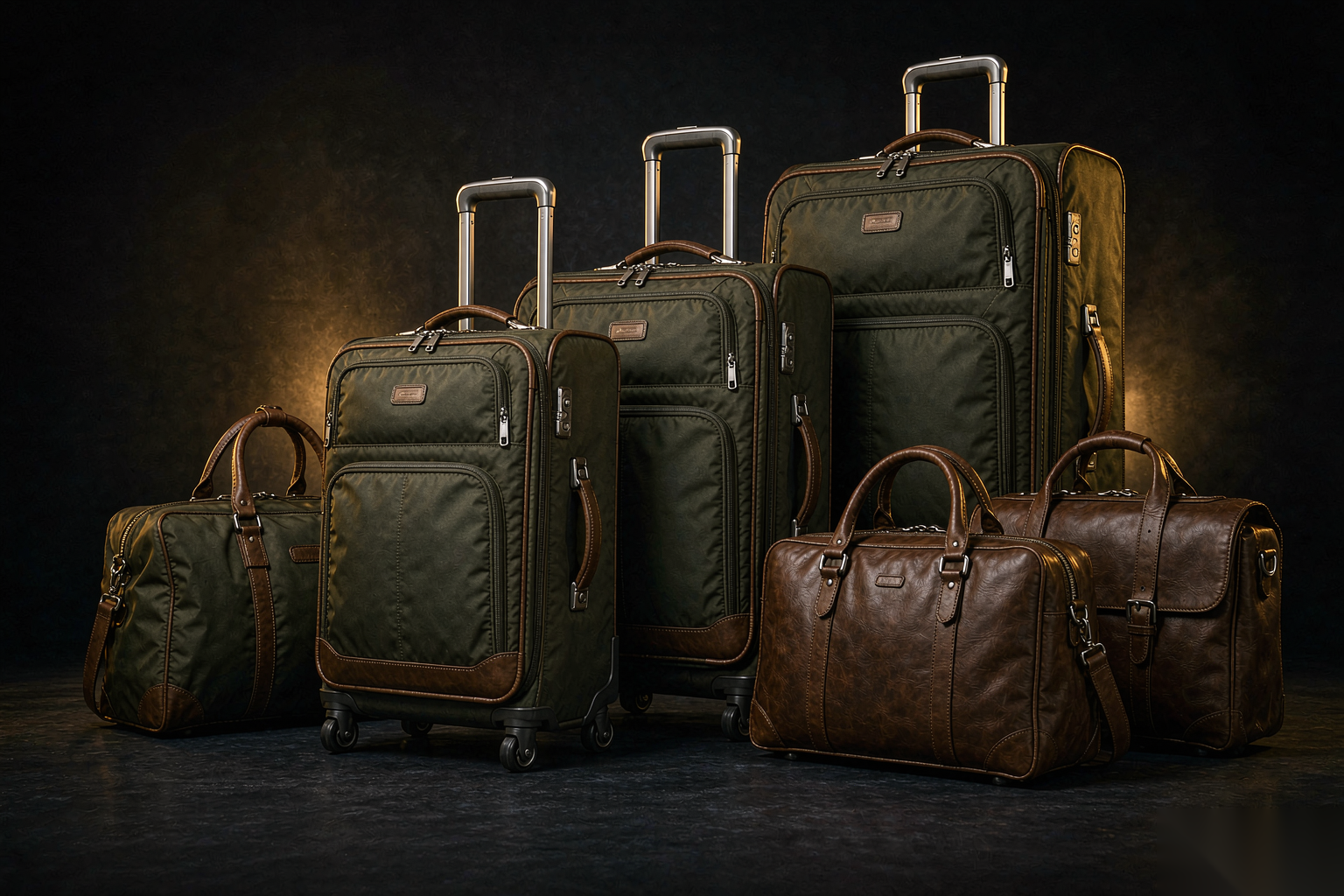
Ask a bag brand where their samples should come from and you will get answers ranging from Guangzhou's leather markets to a cousin's factory in Hebei. Both miss the point for most first and second collections: Quanzhou, the coastal cluster in Fujian province, is one of the most concentrated bag production regions in China — backpacks, tote bags, duffels, crossbodies, laptop bags, and the whole family of nylon and canvas soft goods. This guide walks through how the cluster is organized, which materials match which price points, and what a first order actually looks like when it runs well.
How the Quanzhou Bag Cluster Is Organized
Quanzhou's bag production concentrates in and around the city's industrial zones, alongside its better-known footwear industry. The structure is the classic Fujian cluster model: dozens of small-to-midsize factories, each with a specialty — some cut and sew nylon backpacks at volume, some handle structured bags with hardware-heavy construction, some focus on export-standard QA for European and American buyers.
What this means for a buyer:
Depth of specialization. A factory that only makes soft nylon bags will beat a generalist on both price and finishing quality for that category — and will be honest about declining your structured-leather request.
Fast sample iteration. Proximity between material markets, hardware suppliers, and sewing floors compresses the sample loop. A pattern change that takes two weeks elsewhere often turns in days here.
Export fluency. Most factories in the cluster ship to Europe and North America routinely; export documentation and carton marking standards are handled without hand-holding.
The honest caveat: cluster depth varies by bag type. Structured handbags with fine leatherwork concentrate more in Guangdong. Quanzhou is strongest in soft goods — nylon, canvas, polyester, and mixed-material bags at production volumes from hundreds of units upward.
Which Material Matches Which Price Point
Material choice is the biggest cost and positioning lever in a bag — bigger than hardware, bigger than branding. The four families you will actually choose between:
Material | Feel and Look | Best For | Watch Out For |
|---|---|---|---|
Nylon (Cordura-type) | Technical, matte, abrasion-resistant | Outdoor, travel, commuter bags | Cheap nylon looks shiny and pills at fold points |
Canvas (cotton or poly) | Casual, ages visibly, print-friendly | Totes, school bags, heritage looks | Untreated canvas stains; weight varies widely |
Polyester (recycled or standard) | Versatile, colorfast, budget-friendly | Promotional lines, entry price points | Feels cheap without good lining and zippers |
PU / vegan leather | Structured, premium look at moderate cost | Crossbodies, work bags, fashion lines | Peeling at flex points on low-grade PU |
Two rules hold across all four. First, the zipper is the honesty signal — buyers judge a bag by its zippers before they judge the fabric, and a good zipper on mid-grade nylon reads better than a bad zipper on premium material. Second, lining quality is where factories quietly cut cost — spec the lining weight explicitly or it will be the first thing to disappear in bulk.
What a First Order Actually Looks Like
A well-run first bag order follows the same skeleton regardless of quantity:
1. Spec sheet before quotation. Dimensions, material references, hardware finishes, zipper spec, lining weight, and printing method — one page is enough, but it must exist. Factories quote documents, not descriptions.
2. Sampling round with a real pattern. The sample uses the spec sheet, not your mood board. Expect one correction round; review it against the same twelve-point discipline you would use for any product sample.
3. Pre-production confirmation. The corrected sample becomes the reference standard. Bulk follows the sample — never the other way around.
4. Bulk production with in-line checks. Cutting, sewing, and finishing run in parallel zones. The quality risks concentrate at stress points: strap attachments, zipper ends, and handle anchoring.
5. Final inspection before shipment. Function test every zipper, weigh against the approved sample, check carton counts against the packing list.
MOQs depend on the product and factory. Tell us what you need and we confirm what is realistic before you commit to anything. Bag MOQs are usually friendlier than footwear — the tooling investment is lighter — but they still vary by material, color count, and hardware customization, which is why the honest answer always comes from the factory floor rather than a website.
Why Buyers Pair Bags with Footwear Development
Brands that already develop footwear in Quanzhou add bags for a structural reason: the same region, the same logistics, and often the same inspection routine — but a different specialist factory. One shipment consolidating shoes and bags cuts freight per unit for both. One development partner coordinating both means one specification standard, one QC checklist format, and one point of accountability when something slips.
If you are verifying a factory for the first time, our guide on how to verify a Chinese supplier covers the license and export-record checks, and our factory audit checklist walks the on-site visit. Both apply to bag factories as written — the bag-specific additions are sewing-machine density per line and stress-point reinforcement, which an experienced auditor checks by hand.
Ready to start? Our development process covers how we match bag projects to specialist factories in the cluster and run the sample-to-shipment pipeline end to end.
Frequently Asked Questions
Is Quanzhou better than Guangzhou for bags?
For soft goods — nylon, canvas, polyester, and mixed-material bags at production volume — Quanzhou is at least as strong and often stronger on price. For structured fine-leather handbags, Guangdong's cluster remains deeper. Match the cluster to the bag type.
Can I mix bags and shoes in one shipment?
Yes, and most brands do once both lines are running. Consolidation needs coordinated production schedules — which is exactly what a local development partner manages.
How long does a first bag sample take?
Typically one to two weeks from spec sheet to physical sample, faster for simple totes and slower for hardware-heavy designs. The correction round adds a similar interval.
What breaks first on a badly made bag?
Strap attachments and zipper ends — the two stress points where sewing discipline shows. Both are checkable on the sample, which is why the sample round matters more than any certificate.
The Takeaway
Quanzhou bag sourcing works when three things line up: the right specialist factory for your bag type, a material choice that matches your price point, and a first order run against a written spec. Get those three right and the cluster's speed and depth do the rest.
