
Quanzhou Shoe Manufacturers: A Buyer's Guide to the Fujian Cluster
Shoe manufacturers in Quanzhou and Jinjiang: factory types, how to shortlist and verify suppliers, and what a local sourcing agent adds.
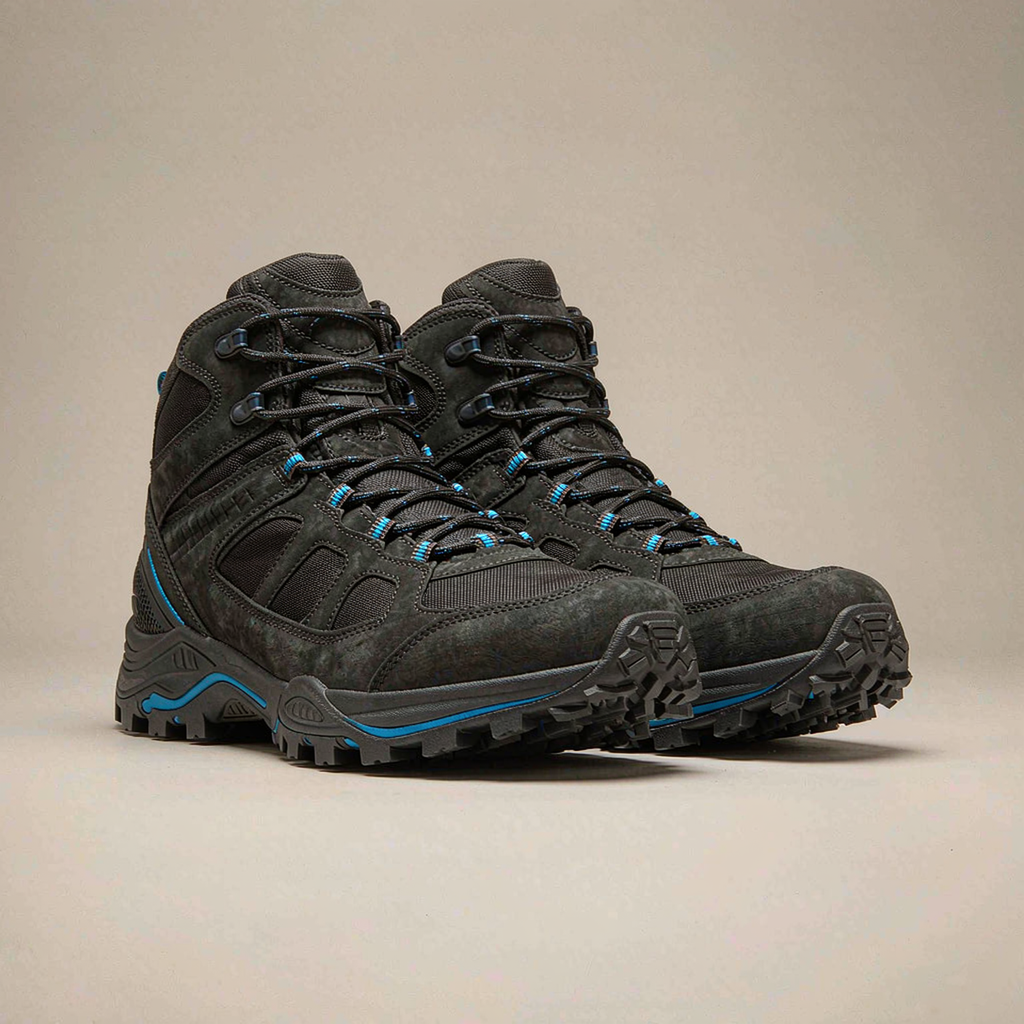
Quanzhou Shoe Manufacturers: A Buyer's Guide to the Fujian Cluster
Quanzhou, in Fujian province, is one of China's largest footwear production regions. If you are comparing shoe manufacturers in Fujian — or trying to understand whether this cluster fits your product — this guide covers what the region actually offers, how factories here are structured, and how to shortlist one without flying over first.
This is a buyer's guide, not a directory. We are GlobalSala, a sourcing agent based in Quanzhou, and we will keep the line between general advice and what we do clearly marked.
Why Quanzhou and Jinjiang for footwear
Two neighboring cities anchor the cluster: Quanzhou and, immediately beside it, Jinjiang. Together they form one of the densest footwear manufacturing belts in China — several of China's largest sportswear brands are headquartered in Jinjiang, and the wider region produces athletic shoes, casual shoes, sandals, and slippers at enormous scale.
Three things matter to a foreign buyer here:
- The supply chain is inside driving distance. Uppers, outsoles, lasts, eyelets, packaging — the material markets and the component suppliers sit around the factories. A missing trim does not wait on a two-week shipment from another province.
- Sampling is fast. Because materials are local and factories run sample rooms daily, a revision cycle is measured in days. That shortens the path from a sketch to a sellable sample.
- Export is routine. Factories here ship worldwide every day. Documentation, carton marks, and Incoterms (the standard international shipping terms such as FOB and EXW) are familiar ground, which removes a common source of first-order friction.
What kinds of manufacturers operate here
"Shoe manufacturer" covers several very different businesses. Knowing the tiers helps you match your order to the right kind of factory.
Large brand-OEM factories. These run the lines that produce for international and domestic brands — long runs, heavy process discipline, high MOQs. If you are ordering tens of thousands of pairs per style, this is your tier. If you are not, these factories will either decline or price your order to make it worth their setup time.
Mid-size factories. The workhorses of the cluster. They run multiple styles at once, take international orders directly, and can handle growth from a few hundred pairs toward larger volumes. Most first and second orders from overseas buyers land here.
Small specialized workshops. Strong at a single thing — a construction type, a material, a low-volume specialty. Useful for premium small runs or highly specific work, usually with less process formality than the tiers above.
There is also a fourth group worth naming: trading companies, some excellent, some invisible between you and the factory. The tier system above is about production capability; whether you are talking to the factory or to a middleman is a separate question — and one you should answer before a deposit moves.
How to shortlist a shoe factory
Four checks, in the order we run them:
- Category match first. A factory that makes vulcanized skate shoes every day is a different choice from one that runs cemented dress shoes, even if both say "shoes". Match on construction and material, not on the word "footwear".
- Sample before promises. Ask the factory to make your design — or at minimum a close reference — and judge that sample against your written spec: materials, stitching, lasts, outsole, finishing. How a factory treats a sample round tells you how it will treat your order.
- Verify the company behind the name. Business license, export credentials, and whether the entity you are quoting with is the entity producing. In China this is routine due diligence, not distrust.
- See the floor. A site visit answers in an hour what weeks of email cannot: the age and state of the machines, whether the sample room shares space with production, how work in progress is stored. If you cannot come, this is the step a local agent performs for you.
Red flags worth taking seriously
None of these alone prove a problem. Two or more together deserve a hard look:
- A quote far below the range of comparable factories for the same construction
- A great sample followed by resistance to producing against a written spec
- Reluctance to allow any factory visit, direct or delegated
- Pressure to skip the sample round and "trust the bulk order"
- Vague answers about who will actually produce the goods
What a local sourcing agent adds
Everything in the shortlist above is geography-dependent. An agent based in the cluster can:
- Shortlist by actual production line, not listing claims
- Attend the factory the same week, or the same day when something breaks
- Check samples physically — materials, stitching, hardware, dimensions — instead of judging photos
- Follow production at agreed milestones and inspect packed goods before shipment
- Handle export documents and freight booking with the same visibility
That is the case for local presence in general. If you want the fuller version — including when a directory alone is the better tool — see our comparison of Alibaba and sourcing agents.
How GlobalSala works in this cluster
We are based in Quanzhou and work the Quanzhou–Jinjiang belt daily, for footwear along with bags and apparel. Concretely:
- Factories are shortlisted against your spec and verified in person before they reach you
- Samples checked in person at the factory, not judged from photos. We handle samples the week they are made.
- Production is followed at agreed milestones, with updates in plain language
- Packed goods are inspected against the approved sample before shipment
- Export documents and booking are handled by the same team
On minimum order quantities, our standing position: "MOQs depend on the product and factory. Tell us what you need and we confirm what is realistic before you commit to anything."
Our footwear service page with the full process breakdown is launching at /sourcing/footwear.
FAQ
What MOQs do Quanzhou shoe factories work with?
There is no single number. Athletic shoes, sandals, and leather shoes carry very different minimums, and each factory sets its own based on construction and materials. Our standing position says it plainly: MOQs depend on the product and factory — tell us what you need and we confirm what is realistic before you commit to anything.
How does sampling work when I am overseas?
You send a spec sheet, a reference sample, or both. We put the specification in writing, the factory makes the sample, and we check it in person in Quanzhou — materials, construction, and dimensions against your spec. You receive photos, measurements, and our notes before approving the next round.
Can I use you for inspection only, if I already found a factory?
Pre-shipment inspection is part of how we run sourcing projects. If you already have a factory and are looking for inspection alone, email us with the details and we will confirm what we can support.
How do I start?
Email info@globalsala.com or send the form on our contact page. Include the shoe type, target materials, quantities, and any reference photos. We reply within one business day.
The short version
The Quanzhou–Jinjiang cluster offers what few regions can: dense supply chains, fast sampling, and factories that export daily. The work is matching your design to a factory that genuinely makes that shoe — which is a verification job before it is a negotiation job. Do the verification, and this region rewards you with speed and price. Skip it, and the same region will punish you politely, one container late.
