
Sourcing Guides
From Reference Pair to Reorder: Running an Ongoing Footwear Program
One-off shoe orders restart from zero every time. How to structure a repeatable footwear program—reference pairs, locked specifications, and calendar-aware planning.
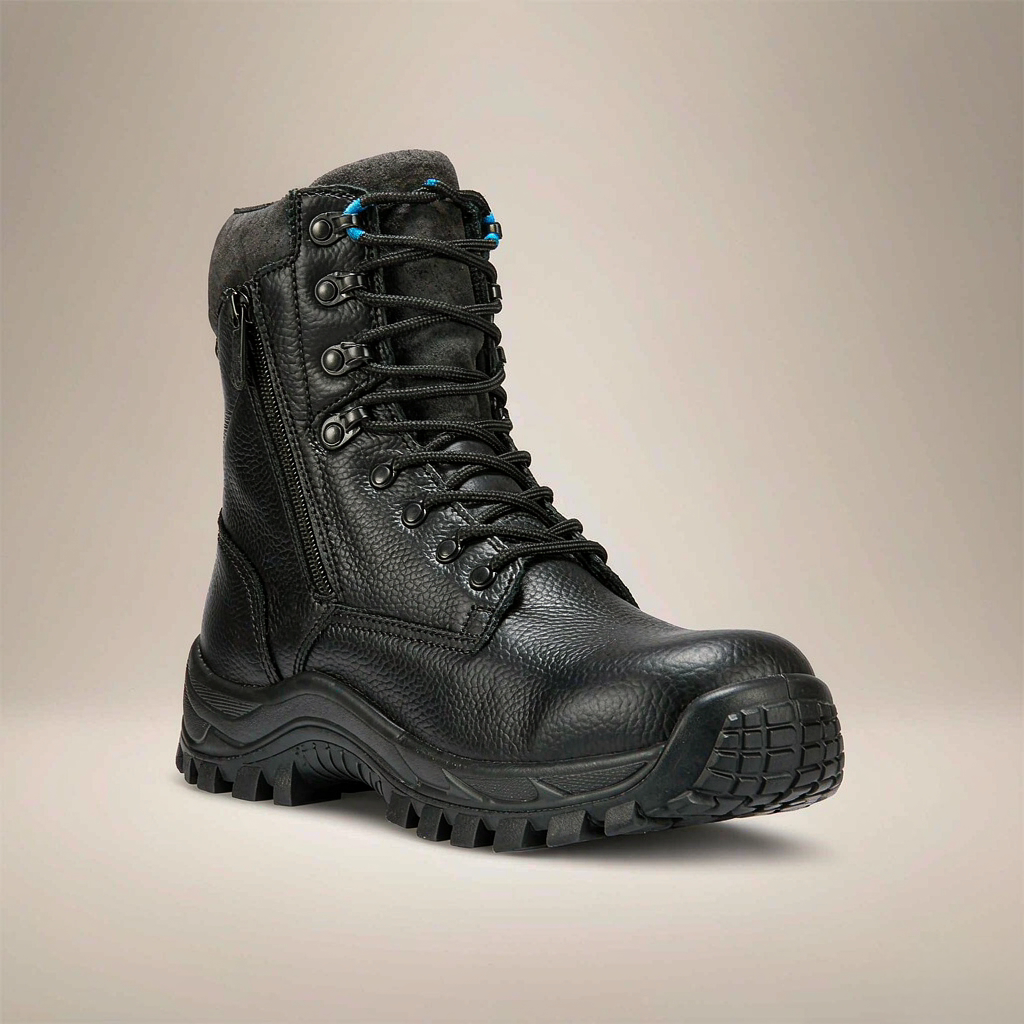
# From Reference Pair to Reorder: Running an Ongoing Footwear Program
A one-off shoe order is a project. An ongoing footwear program is a system. Distributors reordering a promotional range each season, companies refreshing an employee shoe program annually, and gift importers rebuilding a best-selling style all face the same question: how do you make the second order as easy as the first—without the quality drifting? The answer is a small set of disciplines that turn your first order into the template for every order after it.
Why Programs Beat One-Off Orders
Every new order carries fixed overhead: specification decisions, sample approvals, color standards, packaging checks. On a one-off order, that overhead buys one production run. On a program, it buys a template that every future run reuses—which is why repeat programs get faster and more predictable over time while one-off buyers start from zero each cycle.
Programs also compound quality. The inspection history, the fit knowledge, and the color standards from run one make run two's production conversation concrete: not "make it like the sample we both remember," but "match the golden sample, revision two, with the box spec from March." Specificity is what consistency is made of.
The Reference Pair: Your Program's Constitution
The single most important object in a repeat footwear program is the approved golden sample—the physical reference pair that defines what "correct" means for your shoe: materials, color, stitching, branding placement, box, everything. Every future run is inspected against it.
Treat the golden sample as a living program asset:
• Keep it controlled. One party holds the master; everyone else references it. Uncontrolled duplicates drift.
• Date and label revisions. If a material or a color standard changes between runs, the golden sample is updated and the revision is documented—not silently swapped.
• Re-baseline on every change. A confirmed change becomes the new reference before the next bulk run starts.
Programs that skip this discipline discover it the expensive way: by run three, nobody can say which of several samples the factory is matching. Our guide to golden sample management covers the long-term handling of reference pairs in detail.
What Stays Locked vs. What Changes Between Runs
A well-run program separates its specification into two lists:
Stays locked between runs / Can change between runs
• Construction and materials — Quantities per size
• Last and fit — Colorway additions (as new slices)
• Logo placements and methods — Packaging refreshes
• Approved color standards — Distribution of the size curve
• Box structure and dimensions — Print details inside packaging
Locking the first list is what makes reorders cheap to plan: the factory quotes against a known build, not a new project. Keeping the second list flexible is what keeps the program alive—quantities and color emphasis can follow what your audience actually used. A new colorway should be handled as its own production slice approved on its own sample, not as an undocumented variation inside an existing run.
If your program grows to multiple styles, consolidate the locked specifications into a single line sheet and tech pack per style. The discipline pays off in exactly these reorder conversations—our guide to line sheets and tech packs explains what belongs in each.
Plan Around the Real Calendar
Reorder programs live inside calendars: your distribution season, your audience's gift calendar, and the factory's production calendar—including the holidays that reshape manufacturing capacity in China every year. The practical rule is to work backward from your delivery window through sampling and confirmation milestones, then hold the start date firm.
Chinese New Year deserves special mention for anyone running annual programs: it moves each year and reshapes production capacity around it for weeks. Programs that plan annual refreshes around it avoid the crunch entirely. Our China holiday production calendar maps the year's capacity-relevant dates so reorder timing can be set against them rather than discovered mid-program.
The Reorder Conversation, Done Right
A clean reorder is a short conversation because it references locked documents: the golden sample revision, the locked specification, the new quantities, and any approved changes. It should not need new decisions about things that were already decided—which is precisely why locking the first list matters.
Two habits keep reorder quality flat across years. First, inspect every run against the golden sample with the same rigor as the first run, not less—familiarity breeds skipped checks. Second, log every run: quantities, colorway mix, any deviation approvals. The log is what turns "the box felt different last time" into a documentable, fixable specification note.
Working With a Manufacturing Partner
Programs reward both sides: the buyer gets a repeatable product and faster cycles; the factory gets predictable runs against a known build. At GlobalSala we manufacture bulk footwear on lines that produce for international brand programs, and we run repeat programs on exactly this structure—locked specifications, controlled golden samples, and calendar-aware planning. Our programs start at 1,000 pairs per colorway. Tell us what you're planning and we'll confirm the fit before you commit to anything.
FAQ
How often can a program reorder the same style? As often as your distribution plan needs. Because the specification is locked, each reorder is planned as a production slice against the golden sample rather than a new development project.
Can we change the colorway on a reorder? Yes—colorway changes are standard between runs. A new colorway is sampled and approved as its own slice, so bulk quality never rests on an unapproved variation.
What happens if a material becomes unavailable mid-program? The golden sample and specification make the substitution explicit: the factory proposes an approved equivalent, the sample is re-baselined, and the program continues with a documented change instead of a silent one.
Do reorders need new samples every time? The reference pair carries over, so a full sample round is not needed when nothing changes. Any changed element—a new colorway, a packaging refresh—is sampled and approved before bulk.
