
Industry Insights
Planning Your Second Collection: What to Fix and What to Keep
Your second collection is where first-run data beats instinct. Here is what to carry over, what to fix, and how to plan production the second time.
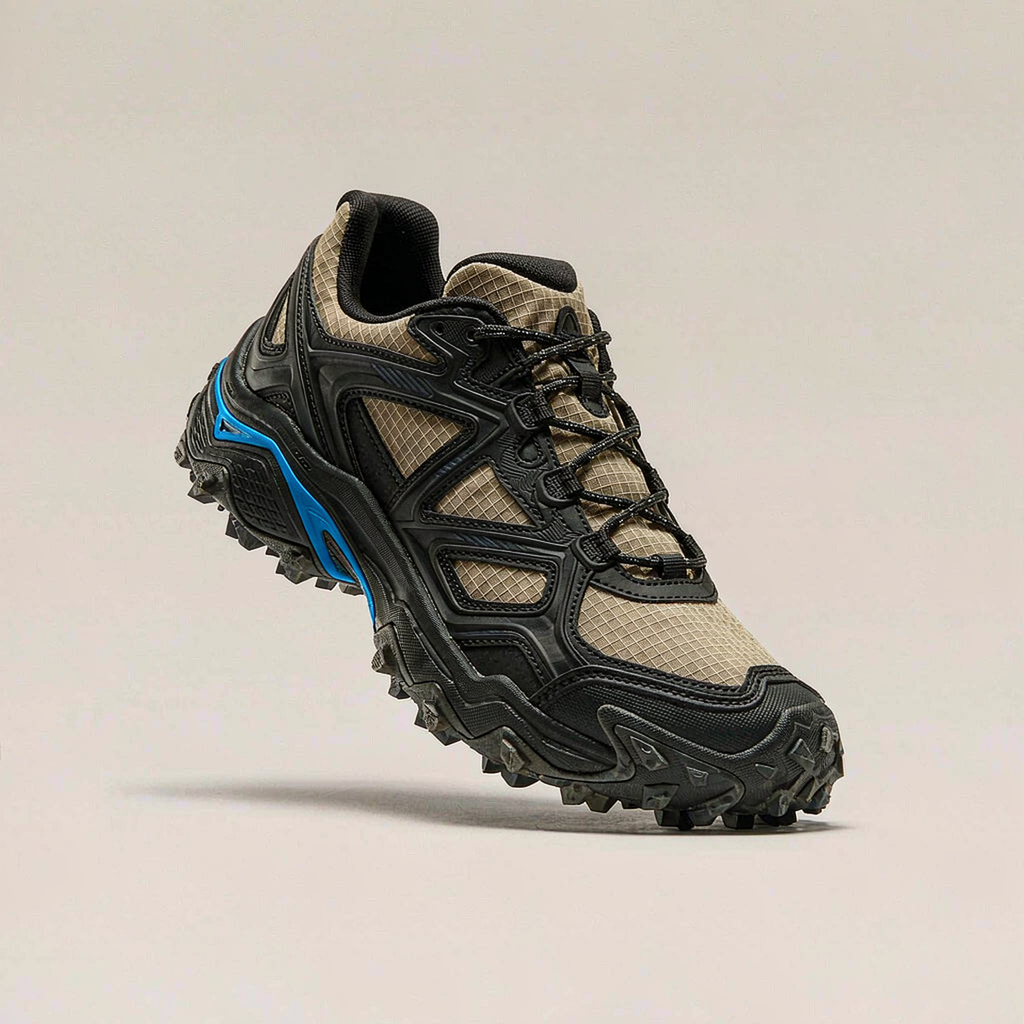
# Planning Your Second Collection: What to Fix and What to Keep
Your first drop shipped. The inbox now holds two kinds of messages: customers asking when the next one lands, and complaints you did not expect — a pair that pinched, a size that ran small, a colorway that photographed differently from the box. What you do with both lists is the whole of sneaker collection planning for your second season. The instinct is to start over: a blank page, five new styles, everything improved. That instinct is expensive. Your first run is the most valuable data your brand will ever own, and the second collection is where you spend it.
Read Your First Run Like Data
Before deciding a single style, pull the evidence together. The numbers that matter are not just how many pairs sold — they are the shape of what sold:
• Sell-through by size: where you sold out, and where stock is still sitting.
• Sell-through by colorway: which direction your audience actually bought.
• Complaints and returns, grouped by theme: fit, quality, sizing, delivery.
• Margin after real landed costs, not the headline number.
• The questions customers asked before buying — they show what the product page and the product were missing.
The point is to separate three stories: what sold, what pleased, and what dragged. They are rarely the same product.
What to Keep: Carry the Winners
The easiest good decision is to carry your winners forward. The silhouette that fit, sold, and generated no complaints should exist again — and because its tooling already exists, re-running it is faster, cheaper, and lower in minimums than a new design.
Carry-overs are not lazy; they are the cash flow that funds the new things you want to try, and they are the line item your factory can schedule with confidence. One nuance: a sellout is not automatically proof the run was right. If one size vanished and the rest sat, the win was your size mix, not your volume. Read the pattern, not the headline.
What to Fix: Separate Signal from Noise
The complaints list deserves sorting before it becomes a design brief:
Signal / What it usually means / Do about it
• One size sold out, others sat — The size mix, not the style, needs work — Adjust depth per size next run
• Repeated fit complaints in one area — A last or grading issue — Fix at sampling before reordering
• Returns labeled "wrong size" — Sizing chart or labeling problem — Fix the chart and in-shoe labeling now
• One colorway sold out, another stalled — A direction, not a coincidence — Expand the winner's palette; retire the loser
• Scattered quality complaints — Production consistency — Raise it with the factory; tighten checkpoints
• Every style mildly underperformed — Price, marketing, or market fit, not product — Examine positioning before making more product
One-off complaints are notes. Repeated complaints are specifications for run two. When a quality theme repeats, raise it with the factory early — the fix lives in the production process, and it is easier to correct before the next order is scheduled.
The Tooling Question: Your Biggest Lever
For a second collection, the biggest financial decision has nothing to do with design: how much new tooling you commit to. Every carry-over silhouette rides on molds that already exist, which keeps your per-pair economics as good as they will ever be. Every brand-new silhouette means new molds, new lasts, new sampling — and a larger pile of money wagered on a design that has never sold.
The balanced structure most independent brands land on: a core of carry-overs, one or two evolutions of what worked (same tooling, new material or color direction), and at most one new silhouette as the bet. The proportions matter less than the discipline. If everything in the collection is new, you have abandoned your data. If nothing is new, you have abandoned the reason people follow a brand.
Sizing the Second Run: Quantities from Evidence
Your second order should be assembled from first-run actuals, one adjustment at a time. Start from what sold per size and per colorway, apply the fixes above, and resist the urge to double everything because run one sold out — a small run selling out can mean strong demand, or simply a small run. If you carried a waitlist or still see steady reorder requests, that is real signal. A hype spike on drop day is not.
This is also where minimums and range collide again: more colorways, more sizes, and especially new tooling all push against the factory's floor. Our answer to the minimum question does not change in season two: "MOQs depend on the product and factory. Tell us what you need and we confirm what is realistic before you commit to anything." What changes is your leverage — a reorder on proven tooling is the easiest order a factory can say yes to. The mechanics are covered in our guide to Jinjiang shoe MOQs.
The Second-Collection Planning Checklist
1. Pull the sell-through data: by size, by colorway, by channel.
2. Write the top three complaint themes and mark each fix or accept.
3. Mark every style keep, fix, or retire — decide, do not drift.
4. Confirm tooling status for each keep with the factory: live, reconditioning, or new.
5. Set quantities from evidence, one adjustment at a time.
6. Confirm minimums, windows, and pricing in writing before you announce anything.
7. Build the calendar backwards from your drop date.
8. Allow exactly one new silhouette as the experiment.
How We Plan Second Collections at GlobalSala
GlobalSala is a footwear development partner based in Quanzhou, Fujian, working with independent brands across the Quanzhou–Jinjiang factory belt. Second collections are the most practical part of our work: reviewing your first-run data with you, checking which tooling is still live and what a re-run requires, revising the patterns that earned it, and running the chain again — sampling follow-up, bulk production management, item-by-item checks before shipment, and export handling — with the fixes from run one written into the plan instead of remembered at the last minute. See our footwear development services for the full scope.
FAQ
How many new styles should my second collection include? Fewer than you want. Most independent brands do well with a core of carry-overs, an evolution or two, and one new silhouette as the experiment. If everything is new, you are guessing again — with a larger check this time.
My first run sold out. Should I double the second order? Not automatically. A sellout can reflect tight demand or a small run. Look at the shape of the sell-through, waitlists, and reorder requests, then increase depth where the evidence is specific.
Should I reorder the exact same colorway? Usually one or two carry-over colorways deserve to run again, especially ones with repeat requests. Rotate the rest: the tooling stays, the palette moves, and the collection feels new without paying for new molds.
