
Industry Insights
The Last Is the Invisible Design Decision: How Shoe Lasts Shape Fit and Sell-Through
Why the shoe last decides your sneaker's fit and sell-through, and how to choose between stock and custom lasts without overspending on tooling.
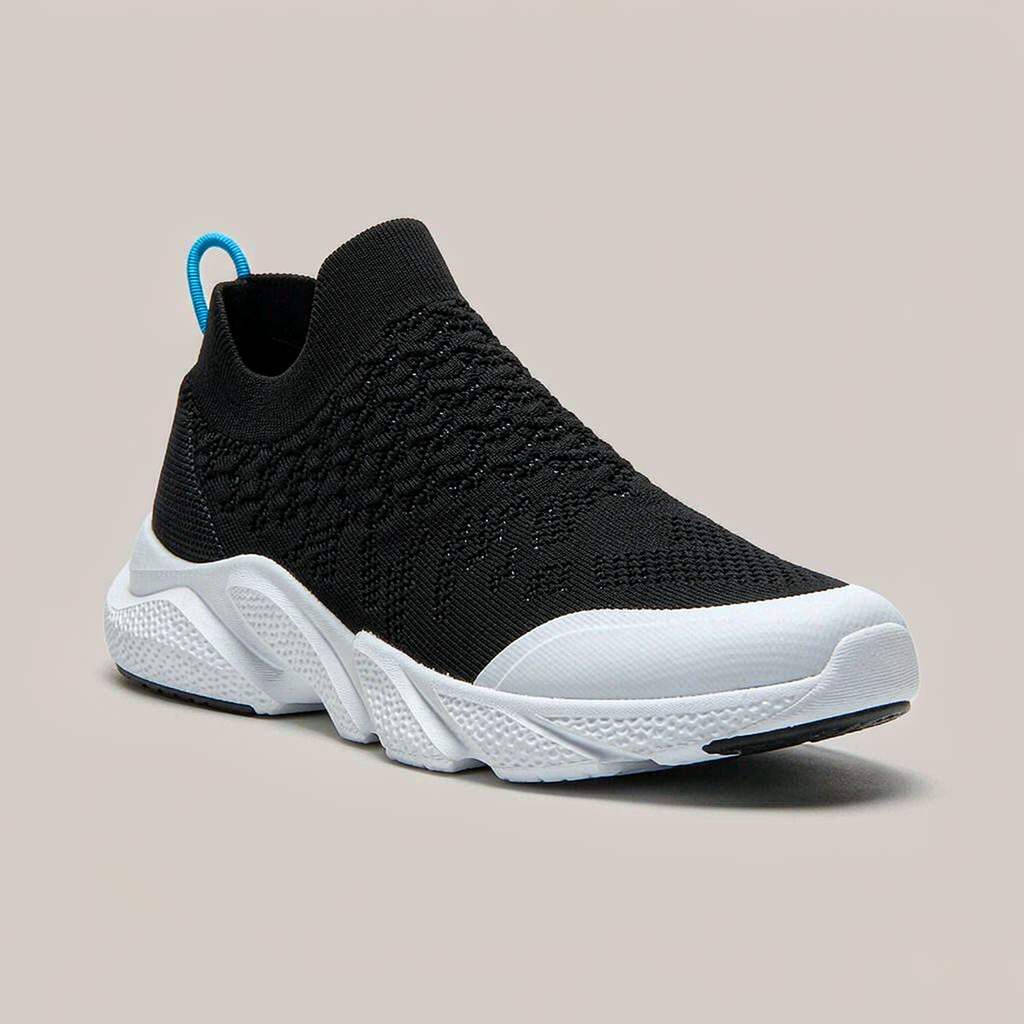
The Last Is the Invisible Design Decision: How Shoe Lasts Shape Fit and Sell-Through
Nobody posts the last. Your drop content shows the upper, the colorway, the box — not the foot-shaped form the whole sneaker is built around. Shoe last development is the invisible half of sneaker design, and it decides the two things that outlive launch week: how the shoe fits, and whether a first-time buyer becomes a repeat customer.
This guide covers what a last actually controls, why most fit complaints trace back to it, and the honest trade-offs between stock and custom lasts. You will not become a last engineer here — but you will know which decisions to make deliberately.
What a Shoe Last Actually Controls
A last is the foot-shaped form, usually wood or rigid plastic, that the upper is pulled over and shaped around. Everything the wearer feels — and much of what they see — is set by its geometry:
Ball girth. The circumference at the widest part of the foot. Get it wrong and the shoe fights the wearer at every step.
Heel seat and heel curve. Decides whether the heel locks in or slides.
Toe box volume and toe spring. How much room the toes get, and how the front of the shoe lifts off the ground.
Waist and arch curve. Where support pressure lands under the foot.
The upper is fabric over that frame. Change the frame and the same tech pack builds a different shoe — different stance, different fit, different feel. Two sneakers with nearly identical drawings can wear nothing alike.
Why "Weird Fit" Complaints Usually Trace Back to the Last
Fit is subjective, and no last fits every foot. But the failure patterns are predictable, and they point at geometry before they point at anything else.
What customers report | What it usually traces back to |
|---|---|
Heel slipping on every step | Heel curve too open, or a heel seat too loose for the target wearer |
Toes pinched, "runs half size small" | Toe box volume and toe spring at the front |
Arch pressure or hot spots | Waist curve, and how the last meets the footbed |
Feels unstable, rolls outward | Underfoot geometry — the last and midsole shape working together |
Same size fits differently across colorways | Different lasts per colorway, or uneven lasting tension on the line |
That last row is the one brands miss. When colorways run on different forms, loyal customers stop trusting your sizing. Pick one last per silhouette and stay on it.
Stock, Modified, or Custom: The Honest Trade-offs
Most first projects should start from a stock last — a form the factory already owns and has refined across many wearers. Here is how the options actually compare.
Option | What you get | What it costs | Worth it when |
|---|---|---|---|
Stock last | Proven fit, no tooling, faster sampling | Your silhouette shares its bones with other labels' shoes | First drops, tight budgets, speed |
Modified stock | Adjustments within the base shape — toe spring, heel curve | Some tooling or rework, and limits on how far you can push | You are close, and one dimension is off |
Custom last | Your own silhouette and fit intent | Tooling cost, added lead time, an unproven fit until proven | The shape is the product, or a fit problem must be solved |
The trap is assuming custom always fits better. A stock last refined across many wearers can beat a rushed custom form. Custom buys shape control and exclusivity — not automatic comfort.
One more thing people miss: a last is not a single object but a size run — a master form plus graded increments. Ask how the grading works; the extremes feel it first.
How to Brief a Factory on Fit
You do not need trade-school vocabulary to brief this well. You need references, priorities, and plain words.
1. Send reference shoes. Two or three pairs: one that fits right, one too tight, one too loose. Say which is which, and describe what you feel in each.
2. Write your fit intent down. "Snug heel, roomy toe box, true to size" is a usable brief. A vague "make it comfortable" is not.
3. Describe the wearer. Target customer, sock thickness, climate. A sneaker for warm streets and one for cold ones should not share a fit assumption.
4. Ask which last is proposed. Stock or custom, and what its key dimensions are against your references.
If the silhouette is your signature, spend on the last. If your story is color and material, keep the stock last and spend there instead.
What This Means for Sell-Through
Fit shows up late in your numbers, as returns, size exchanges, "looked great, hurt after an hour" reviews — and as the quiet absence of a second purchase. None of that appears on a mood board.
Two rules follow. Do not finalize the upper before the last: build panels and proportions around a decided form, not a retrofitted one. And record the last behind every style — keep it, reuse it for future colorways, and get its ownership in writing. Tooling paid twice for the same silhouette is margin you never recover.
One closing honesty note: you can over-engineer this, too. A first drop does not need a bespoke form if a stock last tells the right story.
Where We Sit in the Process
GlobalSala is a footwear development and manufacturing partner based in Quanzhou, Fujian, working across the region's factory belt — Quanzhou and neighboring Jinjiang. Footwear is the only category we work in: concept development, tech packs, factory matching, sample follow-up, bulk production management, pre-shipment inspection, and export handling.
Last selection happens early in that path, before tooling gets expensive and while a fit decision is still cheap to change. The last you choose also feeds straight into minimums: starting on a stock form asks far less of a first run than cutting new tooling does.
On minimums, our answer never changes: "MOQs depend on the product and factory. Tell us what you need and we confirm what is realistic before you commit to anything."
To see how lasting and tooling sit inside regional production, read our guide to sneaker manufacturing in Quanzhou. To see how a development project runs from idea to shipment, start with our development services.
FAQ
What is a shoe last? A foot-shaped form, usually wood or rigid plastic, that the sneaker's upper is stretched over during manufacturing. It sets the shoe's dimensions — length, width, heel grip, toe room — and therefore its fit. Nobody photographs it, but every step carries it.
Should my first sneaker use a stock last or a custom one? For most first projects, a stock last is the better spend: no tooling, a faster timeline, and a fit already proven on wearers. Go custom when the silhouette itself is the selling point.
Does a custom last always fit better? No. Custom gives you shape control and exclusivity, but fit quality depends on how well that shape is developed and graded. A refined stock last can beat a rushed custom one. If fit is the worry, test wearing samples before committing to bulk.
