
Industry Insights
The Slim Silhouette Return: Designing Low-Profile Sneakers for the Current Cycle
The slim silhouette return—why low-profile shapes cycle back, design and fit realities of slim sneakers, and how to build them well.
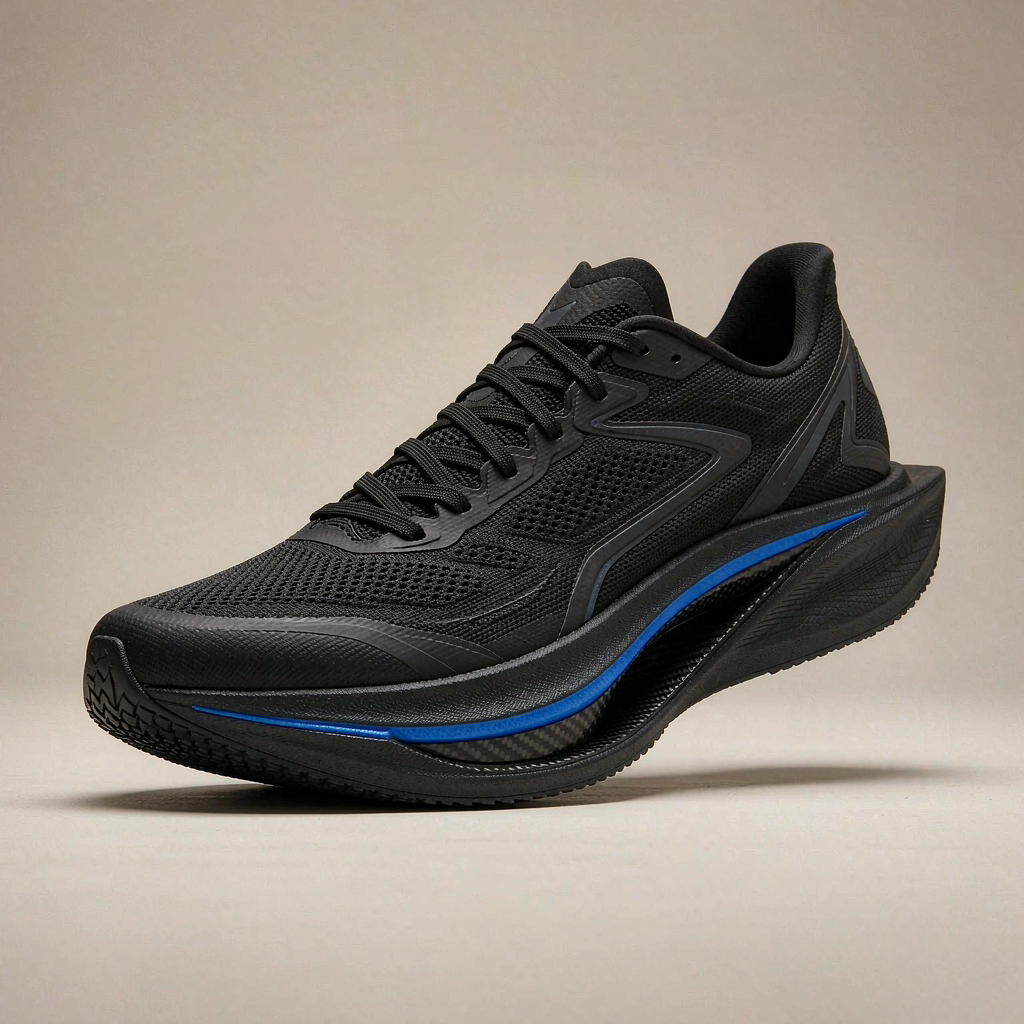
# The Slim Silhouette Return: Designing Low-Profile Sneakers for the Current Cycle
Silhouette cycles in sneakers swing like pendulums: chunky eras end, slim eras begin, and each swing punishes brands that designed only for the previous extreme. The current cycle's return to slim, low-profile shapes—terracing down from years of volume—rewards precision and punishes shortcuts, because slim silhouettes hide nothing: every proportion, material edge, and fit decision is exposed. This guide covers why slim shapes cycle back, the design and fit realities of building them, and how to make slim silhouettes that flatter rather than merely shrink.
Why Slim Returns—and Why It Always Will
The pendulum mechanics are worth understanding because they're predictable:
• Contrast fatigue. After years of chunky volume, eyes recalibrate—slim shapes read fresh precisely because they differ from what saturated the market. Our chunky vs minimal guidance maps this swing directly.
• The wardrobe signal. Slim sneakers pair with tailored and refined clothing; volume silhouettes pair with relaxed fits. As wardrobe cycles move, sneaker proportions follow.
• The versatility premium. Low-profile shapes dress up and down; they're the sneaker that attends dinners. That versatility gives slim cycles real staying power once they arrive.
• The craftsmanship showcase. Slim silhouettes display material and construction quality more legibly than volume hides it—which is why slim eras reward brands with real finishing discipline and expose brands without it.
For small brands the strategic reading: slim cycles are demanding but democratic—volume games favor big marketing budgets; precision games favor brands that execute.
The Design Grammar of Slim
Slim silhouettes have their own codified language, and it's stricter than chunky's:
Proportions carry everything. The toe box's taper, the midfoot's waist, the heel's slope—slim design is proportion design. Millimeters matter: a toe box 3 mm too boxy reads clunky, one too tapered cramps. This is last territory before it's pattern territory.
Materials go finer. Slim panels suit finer leathers, tighter knits, lower-profile suede—materials whose texture doesn't add visual bulk. Heavy-grain leathers and coarse meshes read wrong on slim lasts.
Details miniaturize. Stitch lines tighten, eyelets shrink, logos recede—per the logo application restraint rules. Slim design's detail vocabulary borrows from dress footwear's discipline more than from sport's.
The sole thins—carefully. Low-profile soles define the look, but comfort lives in the sole: the slim era's successful builds use thin-looking soles with real foam systems inside—comfort engineered to disappear visually. A genuinely hard thin sole sells the look and loses the wearer.
The Fit Realities: Where Slim Gets Hard
Slim silhouettes concentrate fit challenges:
Challenge / Why it happens / The fix
• Width criticism — Slim lasts run narrow-feeling across broad feet — Multiple width options, or honest fit notes
• Toe pressure — Tapered boxes punish long or wide toes — Last volume tuned at the toe; fit-test extremes
• Instep bite — Low profiles reduce vertical volume — Instep height tuned on the last; lace geometry that opens
• Heel slip — Slim collars grip less — Heel counter and lining grip tuned
• Sizing inconsistency — Slim fits magnify small grading errors — Grading rules verified at extremes
The systemic answer: slim silhouettes need *more* fit investment, not less—the profile's precision extends to fit. Brands that fit-test slim models on real feet across the size run (our sample rounds protocol) ship slim shoes people can actually wear all day; brands that ship slim shoes designed only on paper collect the width complaints.
Building Slim Well: The Production Realities
Slim construction punishes production shortcuts:
• Clean lines expose everything. Every stitch, edge, and bond line is visible at slim scale—the finishing standards bar rises, and stitching quality shows at every seam.
• Panel precision tightens. Slim patterns tolerate less seam bulk and material bunching—the pattern making allowances and edge treatments need tightening.
• Material edges matter more. Painted edges, skived overlaps, clean transitions—the upper QC edge checks become the aesthetic itself.
• The sole's thin geometry is tooling-precise. Thin soles with integrated comfort need mold precision—first-article inspection matters more when there's less material to hide in.
The cost structure shifts too: slim builds trade material volume for labor precision, which the cost anatomy reflects—slim shoes often cost *more* to make well than their material footprint suggests.
Styling Slim Into a Line
Where slim silhouettes sit in a small brand's range:
• As the refined counterweight. A slim model balances a range's volume silhouettes—giving buyers both registers and making the line read as a considered wardrobe rather than a single idea.
• As the dress-adjacent entry. Slim shapes bring in buyers from tailoring and minimal wardrobes—the customer bridge into the brand's other models.
• As the craftsmanship statement. If the brand's story is quality and precision, slim silhouettes are where that claim displays most legibly—nothing to hide behind.
Slim Development with a Manufacturing Partner
Slim silhouettes are a precision conversation: lasts tuned to the millimeter, patterns tightened, factories selected for clean-line finishing, and fit tested harder than volume shapes ever demand. From the Fujian belt we run exactly that loop—matching slim designs to factories whose finishing discipline holds at small scale, verifying proportions on lasted samples, and fit-testing the extremes before bulk. Our silhouette cycles guidance covers the cycle timing these decisions ride.
As always: "MOQs depend on the product and factory. Tell us what you need and we confirm what is realistic before you commit to anything."
FAQ
Why do slim sneaker silhouettes cycle back into fashion? Contrast fatigue after chunky eras, wardrobe signals (slim pairs with tailored clothing), the versatility premium of shapes that dress up or down, and craftsmanship legibility—slim profiles display material and construction quality that volume hides. The swing is predictable, which is why brands that design for both registers weather cycles better.
What makes slim sneakers hard to fit? The profile concentrates fit challenges: narrow-feeling lasts across broad feet, tapered toe boxes pressuring long or wide toes, reduced vertical volume biting high insteps, and slim collars gripping heels less. Slim silhouettes need more fit investment than volume shapes—last tuning, extreme-size testing, and honest fit notes.
Do slim sneakers have to be uncomfortable? No—the successful slim builds use thin-looking soles with real foam systems inside: comfort engineered to disappear visually. The sole's tooling precision matters more when there's less material to hide in, and the insole and collar systems do the comfort work the slim shell can't.
What production discipline does a slim silhouette demand? Clean-line everything: tighter finishing standards, precise panel allowances, edge treatments as aesthetic, and mold precision on thin soles. Slim builds trade material volume for labor precision—often costing more to make well than their footprint suggests—and they expose factories whose finishing can't hold at small scale.
