
Sourcing Guides
Developing a Slip-On: Construction Choices for the Simplest Silhouette
Slip-ons look simple until fit and construction carry everything. A guide to gores, lasts, and soles for the laceless silhouette.
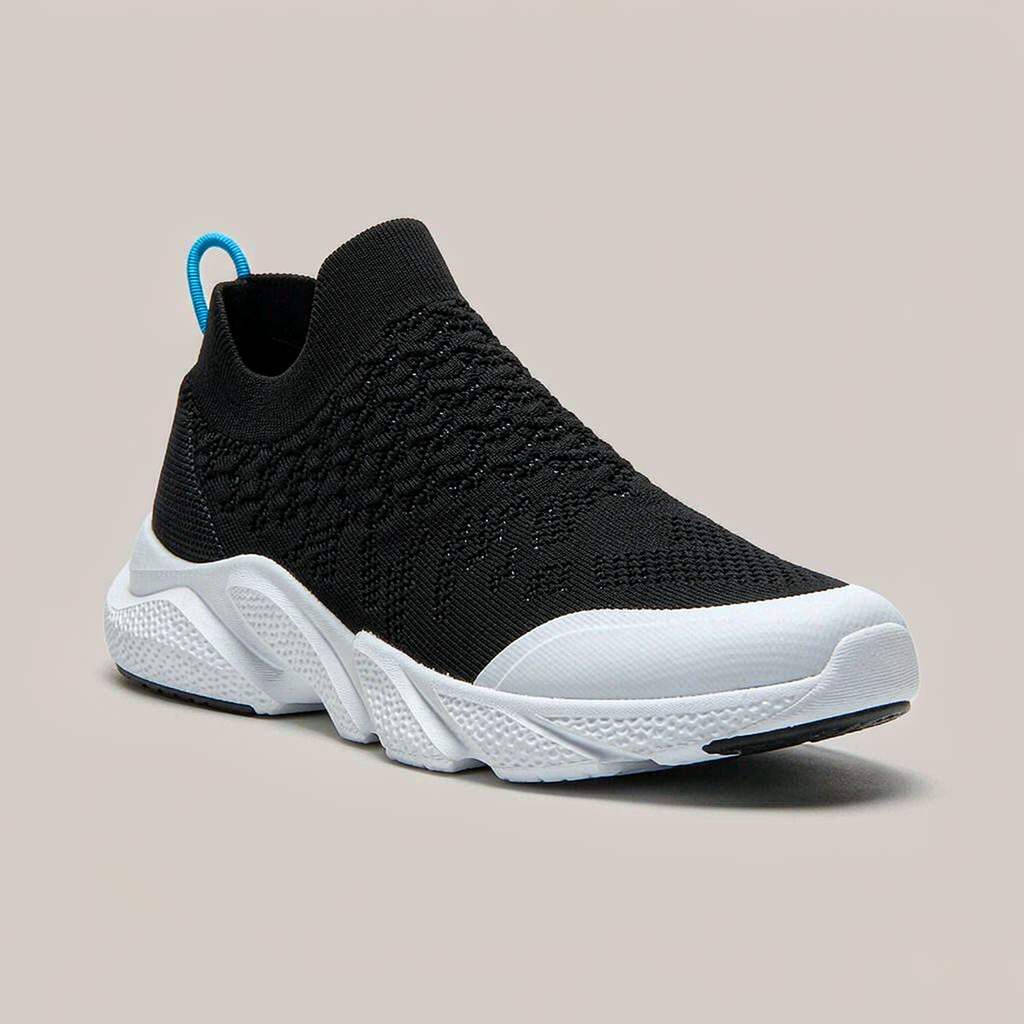
# Developing a Slip-On: Construction Choices for the Simplest Silhouette
The slip-on looks like the easy shoe in the line. No laces, fewer panels, a clean surface for your branding, and a price point that reaches customers your chunky runner never will. Then the first wear test comes back with a single comment — "my heel slides out when I walk" — and you realize what the silhouette really is: not simpler. Less forgiving.
Laces let a shoe adapt to a range of feet. A slip-on has no adjustment, so fit has to be built in, and construction carries the whole result. This guide walks the choices at the heart of slip-on sneaker development — and how to pick each one for your market.
Why the Simplest Silhouette Is the Least Forgiving
A lace-up shoe has a built-in tolerance. Different feet, different insteps, same shoe — the laces take up the difference. A slip-on gives back none of that slack. The fit has to come from three places: the last shape, the collar and gore design, and how the sole flexes as the wearer walks.
The look side works the same way. With no laces, hardware, or closure to break the surface, nothing is hidden: panel seams, material changes, and collar shape are the entire design. That cuts both ways — fewer decisions to make, and a higher penalty for getting any of them wrong.
Construction Routes, Compared
Three routes cover most slip-on production. Each sets its own tooling, minimums, and feel — worth choosing before you sample, not after.
Route / The look and feel / Why brands choose it / What to watch
• Vulcanized — Rubber sidewall joined to the upper; classic canvas profile — Durable sidewall bond; a heritage look customers recognize — Setup and tooling suit longer runs; discuss volumes early
• Cemented cup sole — Molded cup sole under a stitched or glued upper — Sportier, more cushioned, modern — Heel slip if the last volume is off; bond alignment matters
• Cemented flat sole — Low-profile, clean, court or casual — Light, simple styling at an accessible price point — Less cushion; fit and finish are visible and judged
None of these is automatically better. A vulcanized slip-on and a cemented one serve different stories and different price points. What matters is choosing the route your brand can defend and your volume can carry — and confirming that with the factory before tooling is discussed.
The Closure Question: Gores, Collars, and Stretch
Most slip-ons solve entry with elastic, and the details decide how the shoe ages.
• Side gores. Elastic panels at the sides of the opening. Simple, effective, and visible — they become part of the design language.
• Hidden gore. Elastic concealed under a stitched panel. Cleaner look, more construction work, and the fit still lives or dies on the gore inside.
• Goreless entries with stretch collars or knit construction. Sleek and modern; watch how the opening holds up over time.
Spec the elastic for function first: how far it stretches, how it recovers, and how it behaves after months of use. A gore that relaxes over time turns a fitted slip-on into a loose one, which is one of the most common long-term complaints about the category. Test it by wearing the sample repeatedly — not by squeezing it once.
Fit Problems and Where to Fix Them
Most slip-on fit complaints have a development-stage fix. Catch them in the sample, not in the reviews.
• Heel slip. Usually the last's heel curve, collar padding, or gore tension. Fix it in the pattern; do not outsource the problem to a "size down" instruction.
• Gapping at the instep. Last volume or gore placement. A slip-on should hold the foot, not hover over it.
• Toe crowding. Internal length and toe shape. Test with the sock your customer will actually wear.
• Collar rubbing. Collar height and edge finishing; soft binding matters more here than on a laced shoe.
• Deformed pairs after shipping. Soft structures can crush in cartons. Check how collars and heels hold up through packing and transit.
And run the wear test properly: walking, over time, across more than one foot. Slip-ons earn their comfort or reveal their problems after minutes, not seconds.
The Development Checklist for Your First Slip-On
1. Choose the construction route before sampling; it drives tooling and minimums.
2. Define the target foot — sock, use, and the kind of fit your market expects.
3. Spec the gore, if used, by stretch and recovery, not just by color.
4. Fit-test by walking, across multiple testers.
5. Lock the last before patterns and tooling are confirmed.
6. Design the surface deliberately: with no laces, seams and materials are the story.
7. Confirm that packing and transit hold up the collar and heel shape.
8. Decide the shoe's role in your line — an everyday volume base or a seasonal capsule — and size the run to match.
How We Develop Slip-Ons at GlobalSala
GlobalSala is a footwear development and manufacturing partner based in Quanzhou, Fujian, working across the region's factory belt. Slip-ons come through our development work regularly, and they teach the same lesson every time: the silhouette is simple, the fit decisions are not. We work through construction choice, last and fit comments, gore specs, and sample rounds with written approvals before a run is committed.
On volumes for specific constructions: "MOQs depend on the product and factory. Tell us what you need and we confirm what is realistic before you commit to anything." Vulcanized setups, cup soles, and knit constructions all carry different realities; better to hear them at the design stage than after tooling.
For how the region's lines and constructions work, start with our guide to sneaker manufacturing in Quanzhou, or bring the project to our development process.
FAQ
Are slip-on sneakers cheaper to produce than lace-ups? Not automatically. Slip-ons use fewer components, but constructions like vulcanized sidewalls carry their own setup costs, and fit fixes can add sampling rounds. The price depends on construction, materials, and quantity — not on the number of parts alone.
What is the best construction for a slip-on sneaker? There is no single best. Vulcanized gives a classic look and a durable sidewall bond; cemented cup soles feel sportier and softer; flat cemented soles read clean and minimal. Pick the route that fits your brand, then confirm tooling and volumes with the factory.
How do I prevent heel slip in a slip-on? Fix it in development: adjust the last's heel curve, collar padding, or gore tension, and verify with walking tests. Telling customers to size down is not a fix — it moves the foot to a different part of the shoe with different problems.
Do slip-ons fit differently from lace-up sneakers? They can, even on the same last, because there is no closure to take up variation between feet. Test with real wearers, write a fit note for your product page, and keep sizing consistent across drops.
