
Sourcing Guides
Branding Your Sneakers: Labels, Tongue Tags, and Marking Details That Matter
Tongue tags, woven labels, and marking details decide whether your sneaker reads like a brand or a blank. Here is what to specify before sampling.
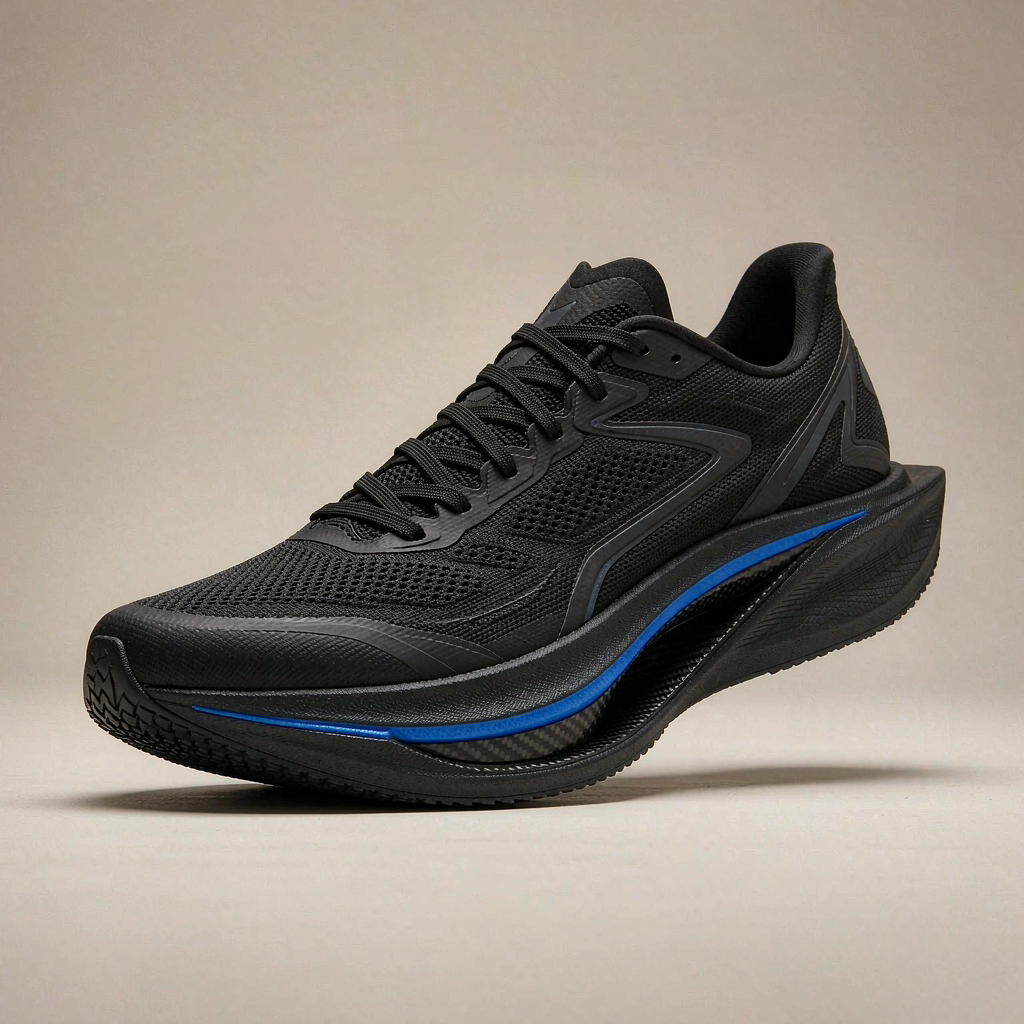
# Branding Your Sneakers: Labels, Tongue Tags, and Marking Details That Matter
Two pairs come off the same line with the same upper, and one of them reads like a product while the other reads like a blank. The difference is rarely the leather. It is the branding layer: the tongue tag, the woven label, the heel detail, the mark on the sole. Sneaker branding labels and details are where a shoe starts behaving like a brand — and where first-time owners learn that trims have their own suppliers, minimums, and lead times.
Here is the branding stack element by element, what each one costs in setup terms, and when in development it has to be locked.
The Branding Stack: Every Place Identity Can Live
On a typical sneaker, branding can appear in more places than most founders realize:
Element / Common techniques / Where setup cost lives / When to lock it
• Tongue tag — Woven or printed label, silicone patch — Label minimums, weave setup — Before the second sample
• Heel detail — Embroidery, print, patch, deboss — Digitizing, patch tooling — With the upper spec
• Sockliner — Heat transfer or print — Print setup; artwork scaled per size — Before sampling
• Midsole or outsole mark — Mold engraving, hot stamp, print — Mold modification or stamp die — Before molds are cut
• Laces and aglets — Printed, woven, or metal tips — Trim minimums — Sampling stage
• Box and hangtag — Print — Print minimums — Before the packing spec
The column that surprises people is the last one. Half of these decisions lock earlier than the "branding" conversation usually happens.
Labels and Tags: Woven, Printed, Silicone
Woven labels are the classic choice: thread texture, fine type, and a premium read that prints struggle to match. Printed labels allow gradients and finer artwork, but cut edges need attention. Silicone patches read modern and durable, and often end up on the tongue. Heat transfer sits flat and light on mesh.
Two constraints shape what you can order. Artwork: embroidery and engraved details need vector files, and very thin strokes or tiny text will not survive the process. Minimums: labels are made by separate trim suppliers with their own order floors, so a custom woven label is its own small project. Where brands get hurt is ordering a unique trim per colorway. Consolidating one artwork across a collection is how labels stay affordable — and how the brand becomes recognizable.
Tongue Tags, Heel Details, and the Comfort Question
Some branding is felt, not seen. A stiff tongue tag stitched high can rub the instep. A heel patch with heavy embroidery backing can stiffen the collar. A die-cut pull tab feels sharp if its edge is unfinished. Before approving an element, wear the sample the way a customer will — for an hour, not for a photo.
Attachment matters too. Stitch-on tags are the traditional route and survive repeated contact; heat-pressed details sit flatter but depend on process control; patches add weight and structure. None of these is wrong. But choose deliberately, and treat how it feels as a specification, not a bonus. Placement consistency is the quiet version of brand equity: same spot, same proportion, across every style you release.
Marking the Shoe Itself: Deboss, Hot Stamp, and Mold Engraving
If branding will touch the tooling, it has to be decided before the tooling exists. A logo engraved into an outsole or midsole mold is molded into every pair that mold produces — the cleanest, most durable mark available, and it costs a fraction of adding it later, because the mold is being cut anyway. On a new mold it is nearly a free upgrade; on an existing mold it is a modification the mold room has to assess.
Where molds cannot be touched, surface techniques take over. Hot stamping and foil print work well on midsole sidewalls; how they hold up to daily wear is a sample-room question, not a spreadsheet one. Printed marks on rubber or PU are flexible and cheap to try — answer the durability question by wearing the sample, not by reading a spec sheet.
Artwork, Approvals, and the Part Nobody Schedules
The branding layer runs on its own calendar. Trims are made by separate suppliers — embroiderers, label weavers, engravers — and in the Quanzhou–Jinjiang belt they sit close to the shoe factories, so the work moves fast when it is planned early. For how that ecosystem fits together, see our guide to Quanzhou shoe manufacturers.
Two disciplines keep trims from delaying your bulk: one master branding sheet listing every trim with its artwork, placement, color reference, and approval status; and physical approvals — the actual woven label, the actual patch, under daylight, against the shoe. Screens lie, and "it looked right on my phone" has delayed more than one production run.
The First-Run Branding Checklist
1. Pick two or three details to own; resist doing everything at once.
2. Lock any mold-touching marks before the molds are cut.
3. Send vector artwork, color references, and physical samples to every supplier.
4. Approve physical trims under daylight, against the shoe.
5. Confirm trim minimums and lead times in writing, early.
6. Wear the sample for an hour before final approval.
The honest trade-off: five cheap details make a shoe look busy and cost more than they return. One well-made, well-placed detail makes the pair read as a brand.
How We Handle Branding at GlobalSala
GlobalSala is a footwear development partner based in Quanzhou, Fujian, working with independent brands across the Quanzhou–Jinjiang factory belt. We coordinate the branding layer as part of development: turning your logo files into artwork that survives factory processes, matching trim suppliers to each element, checking placement and feel on samples, and making sure any mark that touches a mold is decided before the mold is cut. When a detail cannot be produced as drawn, you hear it at the sampling stage — not after the trims are ordered. See our footwear development services for the full scope.
FAQ
Can I add my logo to the outsole after the molds are made? Sometimes. Engraving an existing mold is a modification the mold room has to assess — it can work, but it costs more than deciding before the cut and may not be possible on every mold.
What is the minimum order for custom woven labels? It depends on the supplier, the weave, and the number of colors, so trims are quoted per project. What you control: share one artwork across your line, and avoid a unique trim per colorway.
Where should my logo go on a sneaker? There is no single right answer — tongue, heel, sidewall, and sockliner carry different emphasis. The practical rule: choose two or three placements, keep them consistent across styles, and make sure each can be produced cleanly.
