
Industry Insights
Colorway Architecture: Planning Color Across a Sneaker Line
Colorway architecture for sneaker brands—hero, core, and seasonal roles, MOQ economics per color, and how to plan a line's palette deliberately.
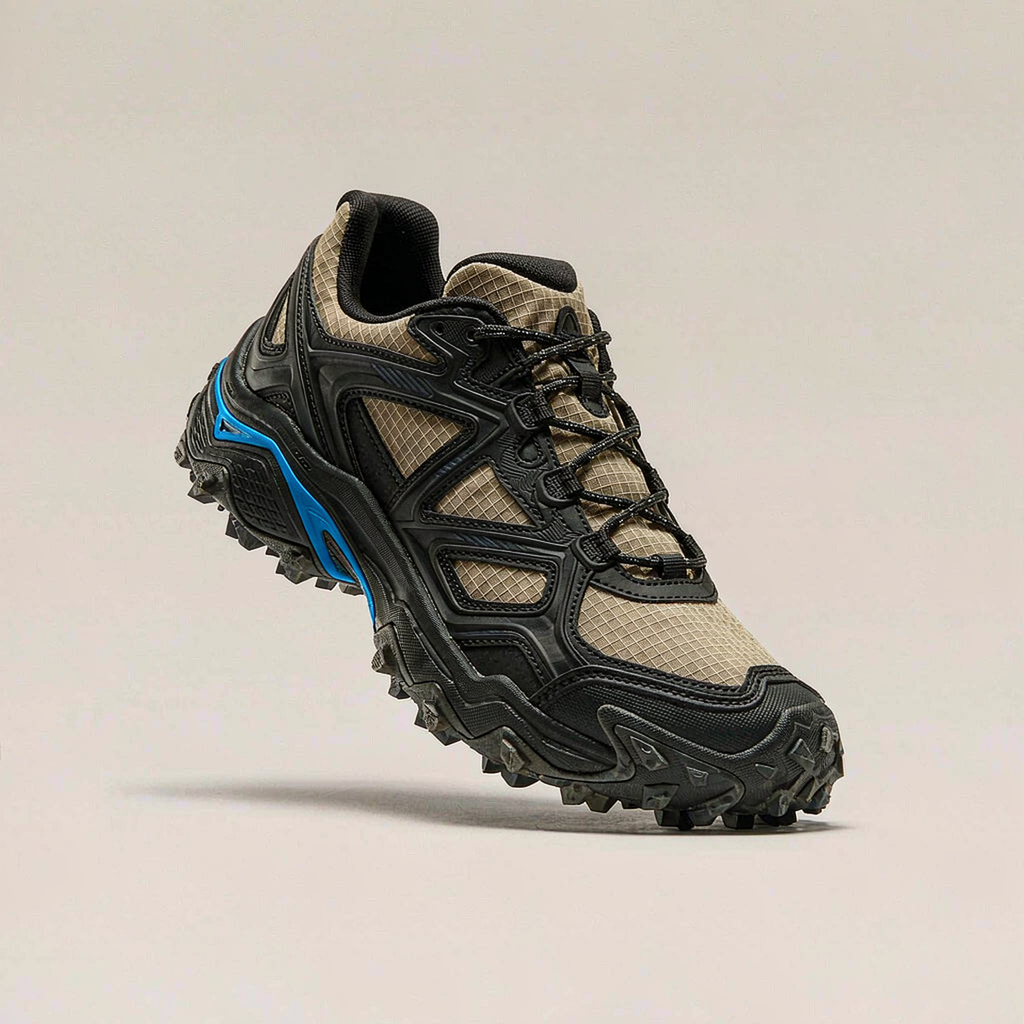
# Colorway Architecture: Planning Color Across a Sneaker Line
Color decisions look creative from the outside and financial from the inside. Every colorway in a sneaker line is a production commitment—materials ordered, dye lots run, minimums met—and the difference between a coherent palette and a random one shows up in sell-through, returns, and cash tied up in slow colorways. Yet most small brands choose colorways one at a time, aesthetically, and discover the economics later. Colorway architecture is the discipline of planning color across a line deliberately: assigning roles to each colorway, respecting the MOQ math, and building a palette the brand can sustain. This guide walks through it.
The Three Roles Every Colorway Plays
Healthy sneaker lines assign each colorway one of three jobs:
The hero colorway. The pair that carries the model's identity—the one that appears in the campaign, the one buyers name when they describe the shoe. Hero colorways justify bolder material mixes and design features; they sell the silhouette, not just the color. Every model needs exactly one; two heroes split attention.
Core colorways. The wearable workhorses—black, white, grey, navy, earth tones—that sell steadily across seasons and body every financial model. Core colorways carry conservative material choices (they must be producible repeatedly without drama) and tolerate the widest size runs. They are where volume lives.
Seasonal and statement colorways. The limited energy: trend colors, special materials, collab-adjacent experiments. They create freshness and urgency, sell in smaller runs, and accept higher risk in exchange for attention.
The classic architecture for a model: one hero, two or three cores, one or two seasonals. A line of five silhouettes with that structure is fifteen to twenty-five colorways—a real portfolio to manage, which is why the role assignment matters: it tells you where to spend development attention (heroes), where to enforce production discipline (cores), and where risk is priced in (seasonals).
The MOQ Math of Color
Color multiplies production commitments in ways that catch new brands off guard. Each colorway triggers:
• Material minimums. Dyed materials run at dyelot minimums; a special color of suede or PU may set the colorway's floor more than the factory's MOQ does. Our MOQ coverage explains how per-colorway minimums behave.
• Component inventories. Laces, eyelets, labels, boxes—each colorway needs its own set. Small components are cheap individually and accumulate in storage collectively.
• Production scheduling. Every colorway adds a changeover. Ten colorways of 200 pairs is a different manufacturing job from two colorways of 1,000—more setups, more quality checkpoints, more MOQ pressure per color.
The practical consequences: core colorways earn volume runs that amortize changeovers; seasonal colorways should borrow from existing material stocks where possible (a "new" seasonal can often be an existing colorway with one swapped component); and the total colorway count should fit the brand's real sales channels—not the founder's enthusiasm. Our color psychology guidance adds the buyer-side lens: color choices read differently across markets and contexts, which matters when the line ships internationally.
Palette Discipline: The Brand Color System
Beyond per-model choices, a line needs a palette system:
1. Brand anchor colors. Two or three colors the brand owns—used across models, packaging, and content until they read as identity. Anchors make different silhouettes feel like one line.
2. A neutral spine. The core neutrals that recur every season, in the same specific tones. Consistent neutrals are what make last season's colorway photograph next to this season's without clashing.
3. A controlled accent range. The seasonal colors, drawn from a defined range rather than ad hoc. Accents rotate; the range stays stable, which keeps "new" recognizable as yours.
4. Material-color pairing rules. Which colors work on which materials for your brand—suede takes deep tones beautifully, coated synthetics read brightest, meshes mute. Codifying pairings prevents the colorway that fights its material.
This system is why established brands' seasonal drops feel fresh yet familiar: the rotation happens inside a stable structure. New brands can adopt the same structure from day one—it costs a page in the tech pack area and compounds every season.
Planning a Line's Colorways: The Practical Sequence
1. Assign roles per model — hero, cores, seasonals—before choosing any specific color.
2. Lock the anchors and neutral spine at the line level, so models share identity.
3. Design heroes first, with the freedom heroes justify—then pull cores toward producibility (stock materials, proven pairings) and seasonals toward borrow-from-stock where possible.
4. Check the MOQ math per colorway before committing—special-dye colorways that require new material minimums need volume forecasts to justify them.
5. Approve color physically — swatches and golden samples, never screens. Color approval discipline applies per colorway; our wear testing and QC guidance treats color as a checkpoint, not a vibe.
The sequence inverts the common order (fall in love with a color, then find production). Roles first, palette second, per-colorway production reality third—that order is what keeps a color plan buildable.
The Colorway Budget Nobody Budgets
Each additional colorway carries costs beyond materials: sampling (colorway samples are real rounds), photography per pair, inventory risk, and the administrative weight of more SKUs. Our SKU architecture guidance covers the SKU-count discipline; colorway count is the same discipline at another level. A useful rule for small brands: every colorway must justify its existence in the role system—if a colorway is neither hero, core volume, nor seasonal attention, it is inventory waiting to disappoint.
Colorway Planning with a Manufacturing Partner
Colorway economics live at the factory: which colors are in stock, what dyelot minimums apply, which material-color pairings run cleanly. From the Fujian belt we plan colorways against real supply—checking stock materials before committing palettes, consolidating colorway production for changeover efficiency, and approving colors physically per colorway through to the golden sample. Our custom colorway guide covers the per-colorway development detail this architecture feeds.
On minimums: "MOQs depend on the product and factory. Tell us what you need and we confirm what is realistic before you commit to anything."
FAQ
How many colorways should a sneaker model launch with? Three to five is the sustainable range for a first release: one hero for identity, two or three cores for volume, and optionally one seasonal for attention. Fewer risks a model with no wearable entry point; more multiplies material minimums, sampling, and inventory risk before the market has voted.
Why do more colorways cost disproportionately more? Each colorway adds dyelot minimums, component sets (laces, labels, boxes), and a production changeover. Ten small colorway runs cost more in total than two large runs of the same quantity—more setups, more QC checkpoints, more slow stock. Core colorways earn volume; seasonals should borrow existing materials where possible.
What makes a good hero colorway? The pair that carries the model's identity: the one that appears in the campaign and gets named in buyer conversations. Heroes justify bolder materials and features, but they must also be wearable enough to photograph into desire—one hero per model, chosen deliberately, not two competing for the role.
Should seasonal colorways reuse existing materials? Often, yes—the smart seasonal is frequently an existing colorway with one swapped component or material treatment. It keeps dyelot minimums off the critical path, speeds development, and reduces slow-stock risk. Save full custom material development for heroes and proven core volume.
