
Industry Insights
What a Pair of Sneakers Actually Costs to Make: The Anatomy of Unit Cost
The anatomy of sneaker unit cost—materials, labor, tooling amortization, overhead, and freight—plus how design decisions move each line.
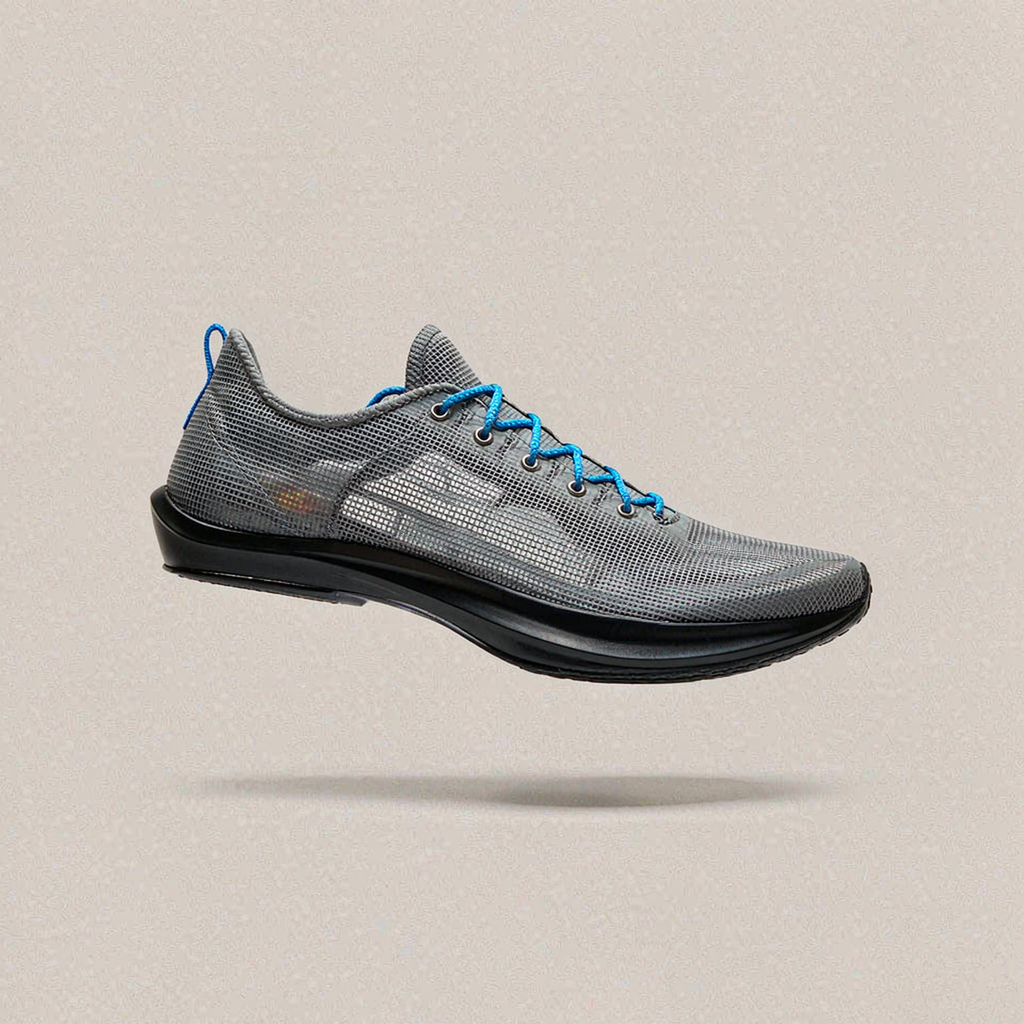
# What a Pair of Sneakers Actually Costs to Make: The Anatomy of Unit Cost
Every sneaker quote is a summary of dozens of decisions the brand made before the factory ever answered. Materials chosen, construction selected, colorway count, order size—each line in a cost sheet traces back upstream. Brands that read quotes as opaque numbers negotiate blindly; brands that understand the anatomy of unit cost can *design* cost—choosing where to spend and where to save on purpose. This guide breaks down what a pair actually costs to make, line by line, and shows which design decisions move which lines. (No invented figures here—the structure is the lesson; your quotes fill in the numbers.)
The Cost Sheet, Line by Line
Materials. Usually the largest line. The upper's material grades (full-grain versus split versus PU—our leather types guide shows the range), the midsole foam family (EVA versus TPU bead foam is a multiple), the outsole compound, plus components: laces, eyelets, labels, insole, packaging. Materials price by consumption too—yield matters: a panel map that cuts inefficiently wastes material per pair.
Direct labor. Operations per pair: cutting, stitching, lasting, bonding, finishing, packing. Labor scales with construction complexity and operation count—which is why panel count, stitch density, and hand-work decisions are cost decisions. Our DFM guidance covers designing operations down without cheapening the product.
Tooling amortization. New molds (sole, hardware, badges) spread across the order quantity. The same mold costs little per pair at 3,000 pairs and heavily at 300—which is why order quantity and tooling choices are one decision, and why stock molds pull minimums down.
Factory overhead and margin. What the factory charges beyond direct cost: management, facilities, profit. It varies with factory tier and order attractiveness—repeat customers with clean specs pay less friction than one-off chaos.
Quality cost. Inspection, rework, and the scrap rate the factory builds into the quote. Specs that are checkable (tech pack discipline) lower this line; vague specs raise it, because uncertainty gets priced somewhere.
Logistics. Inland freight to port, ocean or air freight, duties and clearance. Packaging weight and box size move this line—our packaging and shipping guidance cover the levers.
The Structural Table
Cost line / Main drivers / Design decisions that move it
• Materials — Grade choices, consumption/yield, component count — Panel map efficiency; grade-by-panel positioning; component simplification
• Direct labor — Operation count, hand-work, complexity — Fewer panels, machine-friendly construction, DFM
• Tooling — New molds, cavity count, amortization base — Stock molds vs custom; order quantity; shared platforms
• Overhead/margin — Factory tier, order attractiveness — Clean specs, repeat business, honest volumes
• Quality cost — Spec clarity, factory discipline — Checkable specs, golden sample discipline
• Logistics — Weight, volume, lane — Right-sized boxes, packaging weight, freight mode
The table's message: unit cost is mostly decided upstream of the factory quote. The quote reflects the design; negotiating the quote without touching the design moves pennies.
Where the Money Actually Moves: The Big Levers
For small brands, three levers dominate:
1. Material grade positioning. Not "cheap materials"—*positioned* materials. Premium grade on visible, load-bearing panels; standard grade on hidden zones. The same visual impression at a fraction of the cost—our leather grades and PU grades guides both turn on this principle.
2. The sole system. The bottom unit carries outsized cost weight: foam family, outsole compound, tooling. A midsole in stock-mold compression EVA versus a custom sculpted injected unit is a structural cost difference—and the stock-mold path is legitimate for first releases, with custom tooling reserved for proven silhouettes.
3. Order structure. Quantity, colorway count, and tooling amortize together. Ten colorways at 200 pairs each is a structurally more expensive product than three colorways at 700—more setups, more minimums, more tooling spread thin. Our colorway architecture guidance is a cost tool as much as a design one.
Reading a Quote Like a Manufacturer
When quotes arrive, the anatomy reading:
• Compare like with like. Two quotes on different assumed materials differ by design, not by price—quote the same tech pack to all factories.
• Ask what's assumed. "PU" assumed at which grade? Which foam density? Existing mold or new? The assumptions are the quote.
• Find the tooling line. Separately quoted or amortized inside the unit? Both legitimate—our mold ownership guidance covers why the answer matters beyond cost.
• Check the validity window. Material markets move; ask how long the quote holds and what re-quotes on material movement look like.
• Weigh the outliers. A quote far below the others is information: something in the anatomy is thinner—material grade, process discipline, or the fine print. Find it before choosing it.
Cost Design, Not Cost Cutting
The goal of cost anatomy is not the cheapest possible shoe—it's the right cost at the right places. Premium where buyers feel it (fit surfaces, sole comfort, visible materials), standard where they don't (hidden panels, internal structure), and honest margins throughout. Brands that design cost this way ship shoes that feel worth their price; brands that cut uniformly ship shoes that feel cheap everywhere. The difference isn't budget—it's anatomy literacy.
Cost Planning with a Manufacturing Partner
Unit cost anatomy is factory-side knowledge: which grades move which prices, which constructions run at which operation counts, where a design's structure hides cost. From the Fujian belt we read and build quotes line by line—same-spec comparisons across factories, assumption checks, and design-side cost engineering before the first sample round. Our development cost guide pairs this article with the tooling and development budget picture.
On minimums: "MOQs depend on the product and factory. Tell us what you need and we confirm what is realistic before you commit to anything."
FAQ
What are the biggest cost components in a sneaker? Materials and direct labor dominate, with the sole system carrying outsized weight inside materials. Tooling amortization swings with order size, and logistics grows with weight and volume. The structure varies by product—which is why reading a quote line by line beats reading the bottom number.
How do design choices affect unit cost? Directly and early: panel count moves labor, material grades move the BOM, foam family moves the sole cost, colorway count moves setup and minimums, and tooling choices move amortization. The quote reflects the design—design-side decisions move cost more than factory negotiation does.
Why do quotes for the same design differ so much between factories? Different assumptions inside the same words: material grades, foam densities, mold status (existing versus new), quality-cost buffers, and factory tier. The fix is comparing on an identical tech pack with tolerances and physical swatch references—then the differences that remain are real capability or margin differences worth understanding.
How can a small brand lower unit cost without cheapening the shoe? Position materials instead of cutting them: premium grades on visible, load-bearing panels; standard grades on hidden zones. Simplify structure where buyers don't feel it, use stock molds for first releases, and concentrate colorways into volume runs. Cost design, not uniform cost cutting—that's what keeps the shoe feeling worth its price.
