
Industry Insights
Breaking Down the Numbers: Sneaker Development Cost
Understanding sneaker development cost components helps independent brands budget effectively. Learn about design, materials, tooling, sampling, and quality assurance factors.
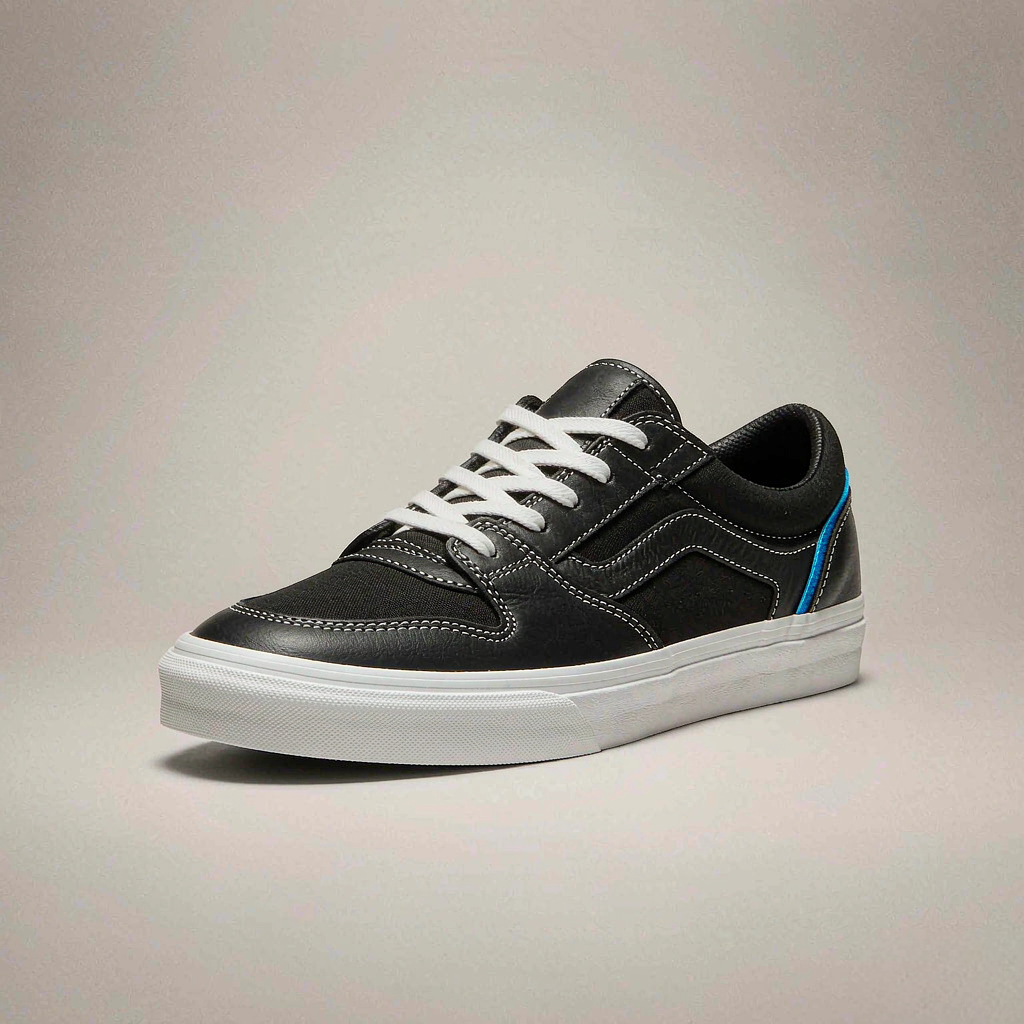
# Breaking Down the Numbers: Sneaker Development Cost
For independent streetwear brand owners, understanding sneaker development cost is crucial for effective budgeting and project planning. The journey from concept to finished sneaker involves multiple phases, each with its own cost implications. In this comprehensive guide, we'll break down the key components that influence sneaker development costs, helping you make informed decisions and avoid unexpected expenses.
Design Phase Costs
The development process begins with design, which sets the foundation for your sneaker. This phase typically includes concept sketches, digital renderings, and 3D modeling.
Professional design services can range from $2,000 to $8,000 depending on complexity and designer experience. Initial concept development may involve multiple iterations to refine your vision, with each round of revisions adding to the overall cost. 3D modeling has become essential in modern sneaker development, allowing for better visualization before physical prototyping.
For brands working with development partners like GlobalSala in Quanzhou, the design phase often includes technical specification development that guides the entire manufacturing process. These specifications detail materials, construction methods, and quality standards - critical components that impact final costs.
Material Costs
Materials typically represent the largest variable in sneaker development cost. The choice of materials affects not only the final product's quality and feel but also significantly impacts your budget.
Premium materials such as genuine leather, specialized textiles, and performance fabrics can increase material costs by 30-50% compared to standard synthetic alternatives. Imported materials often carry additional expenses including tariffs, shipping, and longer lead times.
For brands exploring sustainable options, understanding sustainable sneaker materials can help balance environmental goals with budget considerations. Specialized materials like recycled content or sustainable options may require additional certification processes, adding to the overall development cost. When planning your sneaker line, balancing material quality with budget constraints is essential.
Tooling Expenses
Tooling represents one of the most significant fixed costs in sneaker development. This includes the creation of molds and lasts required for production.
The development of a single shoe mold can range from $3,000 to $15,000 depending on complexity and production volume. For independent brands, tooling costs can be amortized over production runs, making initial per-unit costs higher but decreasing with larger batches.
As our partners in Quanzhou often explain, "MOQs depend on the product and factory. Tell us what you need and we confirm what is realistic before you commit to anything." This approach helps brands plan tooling investments strategically.
Sampling Costs
Sampling is critical for validating your design and specifications before full production. This phase includes multiple iterations of prototypes to refine fit, materials, and construction.
Initial design samples typically cost $200-500 per pair, with subsequent refinement samples adding to the total. Material costs for sampling are often higher than production due to smaller quantities and specialized handling.
Shipping samples internationally can add $50-200 per shipment, depending on destination and urgency. For brands working with development partners, efficient sample management helps control these costs while ensuring quality standards are met.
Quality Assurance and Certification
Quality assurance is non-negotiable in sneaker development, though costs can vary based on requirements. This includes material testing, production verification, and final inspection.
Material testing for performance characteristics like durability, abrasion resistance, and colorfastness can add $500-2,000 to development costs. If specific certifications are required for markets like Europe or North America, additional testing may be necessary.
Final inspection before shipment typically involves checking construction, materials, and packaging against specifications. When agreed between buyer and supplier, AQL (Acceptable Quality Limit) standards determine inspection intensity, with more stringent requirements increasing costs but improving quality assurance.
Sneaker Development Cost Breakdown
Development Phase / Cost Range / Key Cost Drivers
• Design Phase — $2,000-$8,000 — Designer experience, complexity, revision cycles
• Materials — $15-$40/pair — Material quality, sourcing, special requirements
• Tooling — $3,000-$15,000 — Mold complexity, production volume, design complexity
• Sampling — $200-500/pair — Material costs, iterations, shipping
• Quality Assurance — $500-$2,000 — Testing requirements, certification standards
Cost-Effective Development Strategies
While quality should never be compromised, strategic planning can help optimize sneaker development cost:
1. Prioritize functionality over complexity: Focus on core features that deliver value rather than unnecessary design elements that increase costs.
2. Plan for batch production: Larger production runs reduce per-unit costs across development, tooling, and sampling phases.
3. Leverage industry expertise: Working with experienced development partners like GlobalSala helps identify cost-effective solutions without compromising quality.
4. Consider material alternatives: Some performance materials offer comparable quality at lower costs, especially when production volumes are considered.
5. Streamline design iterations: Clear specifications and communication reduce the need for multiple design revisions, saving time and money.
Frequently Asked Questions
Q: What's the minimum budget for sneaker development? A: Development costs can range from $10,000 to $50,000+ depending on complexity, materials, and production volume. Basic development might start around $10,000 for simpler designs with moderate production runs.
Q: How long does sneaker development typically take? A: From concept to production-ready samples, development usually takes 3-6 months, depending on design complexity, material availability, and revision cycles.
Q: Can I reduce costs by skipping sampling? A: Not recommended. Sampling is crucial for identifying and resolving issues before full production, potentially saving much higher costs from production errors or quality problems.
Q: Are there hidden costs in sneaker development? A: Common additional costs include rush fees, material upgrades requested during development, and unexpected tooling modifications. Clear communication with your development partner helps minimize surprises.
