
Sourcing Guides
The Development Timeline: From Design Freeze to Delivery
From design freeze to delivery, every stage of the sneaker development timeline has a decision you own. Here is how to plan the chain backwards.
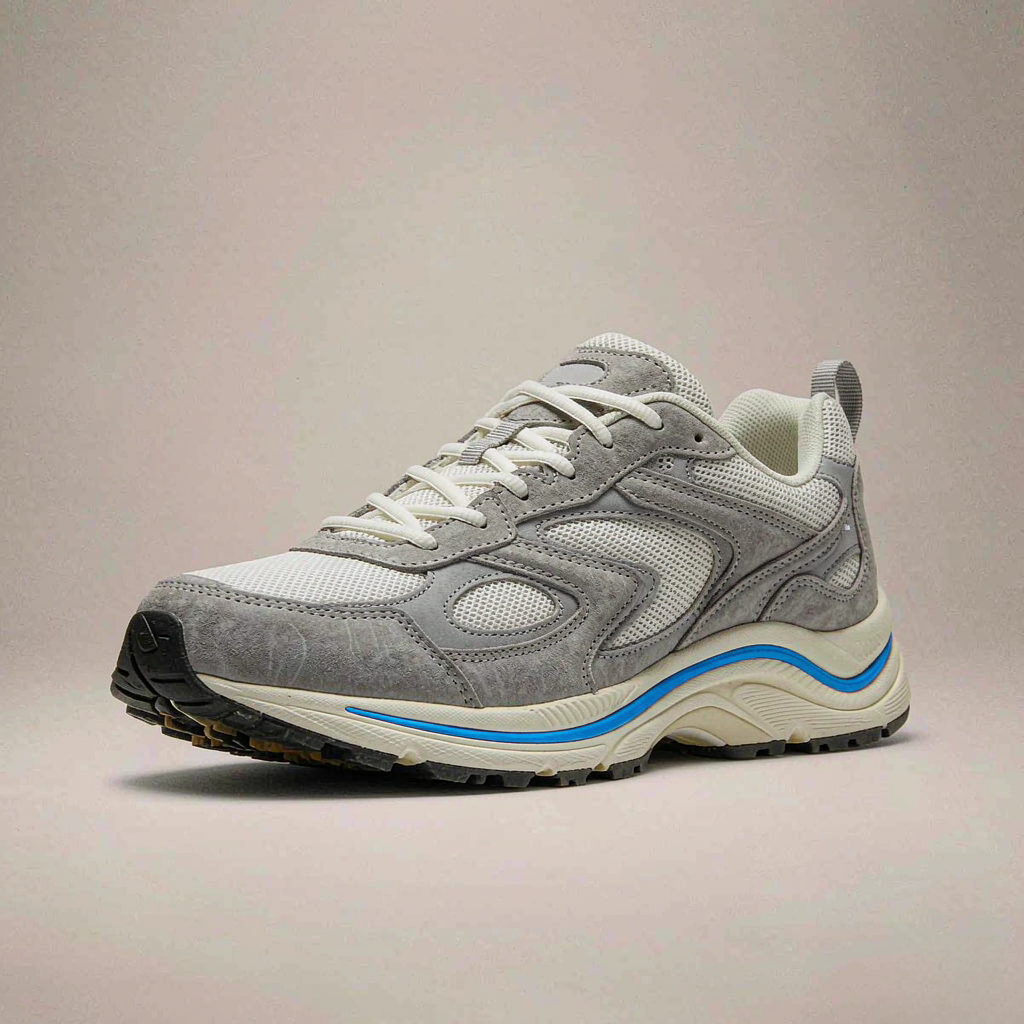
# The Development Timeline: From Design Freeze to Delivery
You picked the drop date before you asked anyone how long this takes. It happens constantly: the marketing calendar gets built first, and the sneaker development timeline becomes whatever is left over. Then sampling runs long, the factory's schedule fills, and the date you announced starts dictating decisions it should never touch — like which checks to skip.
The fix is not a miracle schedule. It is understanding the chain from design freeze to delivery, knowing which links actually move, and planning backwards with confirmed windows instead of hopeful ones.
What "Design Freeze" Actually Means
Design freeze gets treated as a creative milestone. It is really a commitment device. Freeze means you stop changing: silhouette, materials, color direction, tooling-touching branding, and the packaging spec are settled. New ideas after freeze are not free — they cost samples and time.
One nuance: freeze in stages. Tooling-related decisions — outsole, last, engraved branding — freeze first, because mold work has the longest lead time and the highest change cost. Colors and trims can freeze later, closer to sampling, without endangering the schedule. What kills timelines is not staged freezing; it is unfreezing. Every "one more idea" that arrives after a stage is frozen gets paid for in money or in days.
The Chain: What Happens Between Freeze and Delivery
Once the freeze holds, the project moves through predictable stages. Exact durations belong to your design and factory — which is why this table lists what gates each stage instead of inventing day counts:
Stage / What is happening / What gates it / Your job
• Tech pack finalization — Design becomes factory-ready specs — Your sign-off — Read every line before it locks
• Tooling (if needed) — Molds and lasts engineered, cut, corrected — Frozen drawings — Confirm ownership terms
• Sampling rounds — Prototype, fit sample, refinement — Your written feedback — One consolidated feedback doc
• Sample approval — Final sample approved and sealed — Your approval in writing — Keep your sealed pair
• Material and trim procurement — Roll goods, soles, labels ordered — Approved specs — Confirm lead times in writing
• Pre-production sample — One pair built from bulk materials — Your sign-off — Sign before cutting starts
• Bulk production — Cutting, stitching, assembly, finishing — The factory's schedule — Photo checkpoints, agreed
• Inspection and packing — Piece-by-piece checks; cartons packed — Agreed criteria; AQL if/when agreed — Agree the plan before packing
• Shipping and export — Freight, documents, handover — Booking and cutoff dates — Confirm who owns what
Notice how many gates require something from you. The most common cause of a slipped sneaker development timeline is not the factory — it is an approval sitting in someone's inbox.
What Actually Moves the Timeline
Five factors decide how long the chain takes, roughly in order of impact:
1. Sample revisions. Clear, consolidated, written feedback is the strongest lever you have on your own schedule.
2. New tooling versus existing tooling. Mold work sits in front of sampling. Designs built on a factory's existing lasts and molds move on a shorter track.
3. Material and trim lead times. Special fabrics, custom soles, and custom labels are each their own supply chain. Ordering against unconfirmed lead times is how a project ends up waiting on a strap.
4. Factory scheduling. Your order fits into a slot, and slots fill in peak season. The Lunar New Year period compresses the region's schedule — plan around that window, not through it. The belt's rhythm is covered in our guide to sneaker manufacturing in Quanzhou.
5. Shipping. Transit and customs add a fixed tail that no amount of factory pressure removes.
Any specific number of days you read online is a marketing average until it is confirmed for your design, in writing. The useful question is never "how long does it take?" but "what does our confirmed window look like, stage by stage?"
Planning Backwards: The Skeleton to Fill In
Work from the date you must have shoes in hand:
1. Fix the delivery or drop date.
2. Subtract transit and customs clearance.
3. Subtract the bulk production window.
4. Subtract inspection, packing, and recommended buffer.
5. Subtract the pre-production sample and its approval.
6. Subtract your sampling rounds — settle the realistic count with the factory.
7. Subtract tooling, if the design needs it.
8. Subtract tech pack development and factory matching.
The date you land on is your design freeze deadline. Then fill every window with a confirmed number from the factory — not a blog number — and write the chain into one calendar with an owner next to each stage. A timeline without names is a wish.
Where Projects Slip, and Where to Buy Margin
The usual slips, so you can guard them: approvals that come back late or come back as new ideas; feedback that is not consolidated; a design change after tooling money has moved; materials ordered before lead times were confirmed; a schedule that runs into Lunar New Year or peak shipping season without slack.
If you need to buy back time, you pay for it somewhere: money (air freight instead of sea), risk (fewer sample rounds), or scope (simpler construction, existing tooling, fewer colorways). What you should not do is pretend the time exists. Projects that ship on the announced date are the ones that found their margin before the schedule got tight.
How GlobalSala Runs the Calendar
GlobalSala is a footwear development partner based in Quanzhou, Fujian, working across the Quanzhou–Jinjiang factory belt. We build the timeline with you and hold it: tech pack, factory matching, sampling follow-up, sample approval, bulk production management, item-by-item checks before shipment, and export handling — with gates written down and confirmed windows instead of optimistic ones. When a date is not realistic, you hear it at the planning table, while it is still cheap to change. See our footwear development services for the full scope.
FAQ
How long does it take to develop a sneaker from design freeze to delivery? It is measured in months, not weeks, and the range is wide — sampling rounds, tooling, lead times, and factory schedules all move it. Have the factory confirm each stage's window in writing, then build your calendar from those numbers.
Can I speed up sneaker development without hurting quality? You can shorten parts of it: reuse existing tooling, keep the construction simple, consolidate colorways, and return feedback fast. Compression through skipped sampling is where the quality bill hides — decide the trade deliberately.
When should I announce a drop date? After the delivery window is confirmed in writing, not before. Announcing first puts marketing pressure on manufacturing decisions, which is exactly when quality decisions get made badly.
