
Industry Insights
Eyelets, Laces, and Hardware: The Details That Make a Sneaker
Sneaker hardware details — eyelets, laces, pulls, zippers — and how to spec them before sampling.
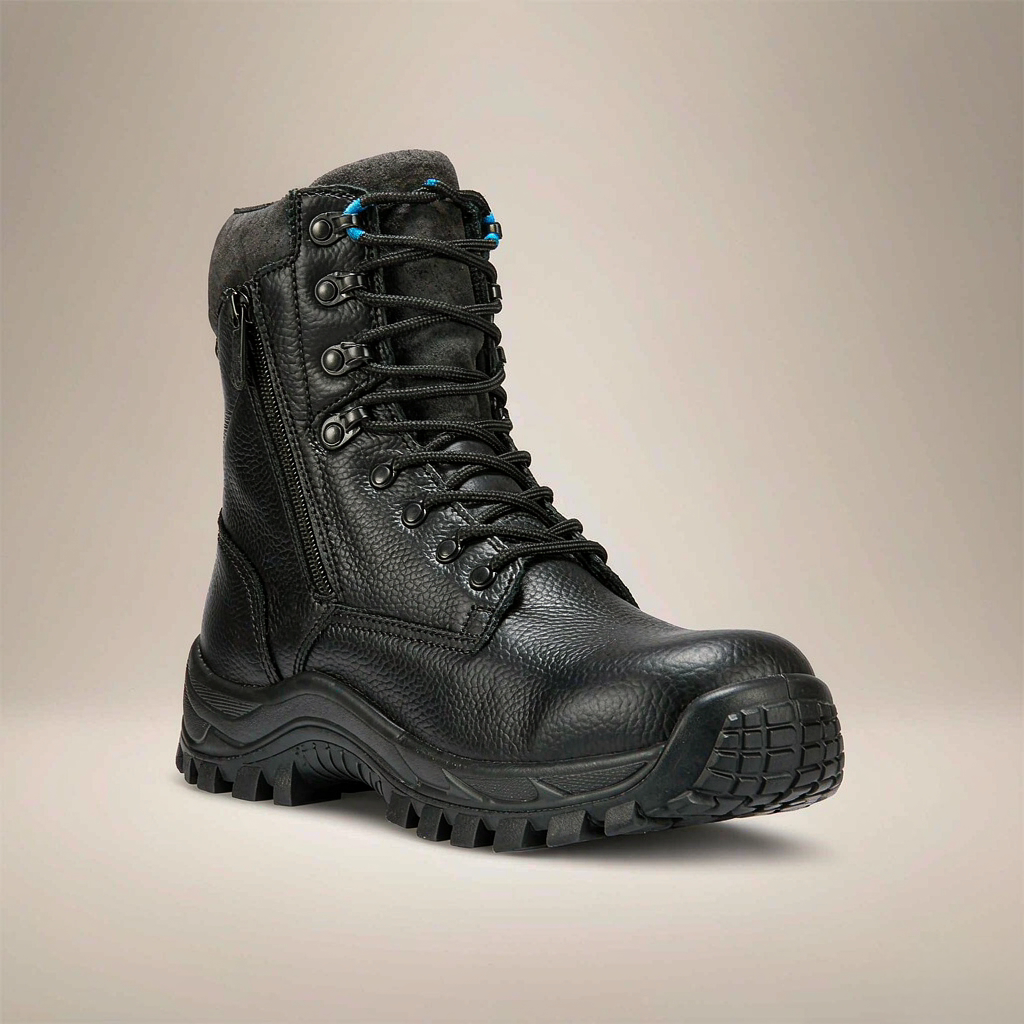
# Eyelets, Laces, and Hardware: The Details That Make a Sneaker
Two sneakers can share the same last, the same upper pattern, even the same colorway — and one reads like a streetwear release while the other reads like a catalog blank. The difference usually lives in the sneaker hardware details: the eyelet that catches light, the lace that holds a knot, the zipper pull stamped with your mark. For an independent brand, those small parts are where identity gets specified — and where it quietly disappears if nobody writes it down.
Hardware is also the part of a shoe people actually touch. Laces get pulled every morning. Zipper pulls get fidgeted with. A heel tab is what a friend grabs when they slip the shoe on in your studio. And hardware photographs: in a flat lay or a product-page thumbnail, aglets and eyelet rings are some of the only elements that still register at small sizes. If you are already planning custom sneaker colorways, treat hardware as the second layer of the palette, not an afterthought.
This guide walks through the hardware layers of a sneaker — eyelets, lacing systems, webbing and pull tabs, buckles and decorative parts, zippers and strap structures. For each one: how to define the spec, when to go custom versus stock, and how the parts get checked by hand before shipment. The catch with all of them is the same: "metal eyelet, silver" is not a spec. It is a hope.
Eyelets: metal, embroidered, or welded
Three families dominate:
• Metal eyelets — the classic ring, set with a washer on the back. The base is usually brass or a zinc alloy; the look comes almost entirely from the plating: shiny nickel, matte gunmetal, antique brass, black oxide.
• Embroidered eyelets — the ring is stitched directly into the upper, no metal at all. Common on knit and mesh constructions, where a hard ring can sit awkwardly or pull through soft material.
• Welded or heat-pressed eyelets — a TPU ring bonded to the surface for a low-profile, almost graphic look.
Specifying an eyelet means inner diameter, outer diameter, flange height, base material, plating name, and finish texture. One warning worth writing into your notes: plated metal does not match a Pantone book exactly. Plating colors are matched by physical sample, side by side — not by a paper chip.
Stock versus custom: standard sizes in common platings are readily available, which keeps sampling fast. Fully custom — a shaped eyelet, or a logo engraved or debossed on the ring face — means tooling, and tooling usually carries a quantity commitment that stock does not.
Hand checks before anything ships: rub the plated face with a white cloth and look for color transfer, which flags weak coating; check the ring edges for burrs; pull the eyelet against the upper to confirm the washer grips; inspect the face under strong light for scratches and pits.
Lacing systems: round, flat, speed, and hidden
Lacing is hardware you interact with more than any other part of the shoe, and it is specified in more dimensions than people expect.
• Round and oval laces read street and hold a knot with attitude; diameter matters as much as length.
• Flat laces sit wide and clean, and the width you choose changes the proportions of the whole silhouette.
• Speed hooks at the ankle change lacing speed and the visual weight of the collar.
• Hidden lacing — a panel over the laces, fed through ghillie loops or fabric channels — reads technical and keeps the vamp clean.
• Elastic laces with a cord lock trade tradition for convenience, common on slip-on constructions.
The spec: length (measured on an actually laced sample, never guessed), width or diameter, weave density, stretch, tip material — plastic aglet or metal sleeve — and whether the aglet is plain, stamped, or laser-marked. Dyed-to-match versus a contrast color is a decision, not a default.
Stock versus custom: lace weaving is a mature trade, so custom colors and widths are accessible without heavy commitments. A logo aglet is a small custom mold; a fully custom weave pattern takes longer and usually needs more quantity.
Hand checks: run the lace between your fingers for loose fibers, pull an aglet to confirm it will not slide off, knot and unknot a few times, and count the laces per pair. One missing lace in one box is exactly the kind of thing a manual, item-by-item check exists to catch.
Webbing, pull tabs, and heel loops
Webbing is the quiet workhorse: heel tabs, tongue loops, lace guides, side strips on trail-leaning silhouettes. It is also one of the easiest places to carry a woven logo.
The spec: width, thickness, weave material (nylon feels denser and stronger; polypropylene is lighter and stiffer), jacquard-woven logo versus printed logo, edge treatment — cleanly cut versus heat-sealed — and the stitch pattern that anchors it to the upper.
Stock versus custom: plain webbing exists in stock across a huge range of widths. Jacquard webbing with your own logo is woven to order, which needs loom setup and quantity to make sense. Printed webbing is the middle path — more flexible and cheaper, but print on thin webbing can crack where the tab flexes.
Hand checks: tug the tab hard. The failure point is rarely the webbing itself; it is the stitch line or the anchor point where it meets the upper. Flex a printed tab and look for cracking at the fold. Confirm a heat-sealed edge does not fray.
Buckles, charms, and zipper structures
Strap systems and decorative hardware are where a sneaker stops being quiet. Side-release buckles, rotating rings, lace locks, metal charms, zipper shrouds over the laces or around the collar — all of it is specified the same way: define the part, then define how it attaches.
The spec: base material and plating; tolerance on moving parts, because a buckle that rattles or a ring that sticks reads cheap in the hand; the attachment method — rivet, stitch, or bar tack — and the reinforcement behind it. For zippers: length, tape color, metal versus coil teeth, slider type (auto-lock versus non-lock), and the pull shape — the part everyone sees and touches.
Stock versus custom: standard buckles and zippers come in deep option ranges as stock parts. Custom-shaped buckles and logo zipper pulls need a mold. A logo pull is an efficient branding move — small, visible, handled constantly — but it is custom tooling, so it carries the same quantity logic as any molded part.
Hand checks: work the zipper up and down repeatedly; feel the slider for play; run a finger over buckle edges; rub plating for color transfer; pull charms and strap hardware to confirm nothing moves that should not.
Sneaker hardware details: a spec cheat sheet
Everything above, compressed into a working reference. Bring this logic into your tech pack and the sampling loop gets shorter.
Component / Spec elements to define / Common failures / Development advice
• Eyelets — Inner/outer diameter, base metal, plating, finish texture — Plating rubs off; ring pulls out of soft uppers; color drifts from sample — Match color by physical plated sample; confirm washer grip on the actual upper material
• Laces — Length, width/diameter, weave, stretch, aglet material and marking — Wrong length for the eyelet count; aglet slides off; fraying — Measure length on a laced sample; decide dyed-to-match vs contrast early
• Webbing and tabs — Width, thickness, material, logo method, edge treatment, stitch pattern — Print cracks at flex points; tab twists; anchor stitching fails — Prefer jacquard weave for logos on tabs that flex; tug-test the anchor, not the webbing
• Buckles and charms — Material, plating, moving-part tolerance, attachment method — Rattle; sharp edges; plating bubbles — Review the part attached to a real sample, not loose in a bag
• Zippers and straps — Length, tape color, teeth type, slider type, pull shape — Tape shade off from the upper; slider loosens; hook-and-loop loses grip — Match tape color to the upper in person; work the slider repeatedly before approval
Specifying hardware with a factory
Knowing the parts is half the job. The other half is writing them down so a factory quotes, samples, and produces exactly what you pictured — and that is where a development partner earns its place.
At GlobalSala, hardware lives inside the full development flow: concept turned into a spec sheet, factory matching across the Quanzhou and Jinjiang belt, sampling follow-up, bulk production management, export handling — and before anything ships, a manual, item-by-item check of the goods. Stock hardware gets sourced fast; custom parts get quoted honestly, including what the tooling realistically requires. On quantities, we hold to one line: "MOQs depend on the product and factory. Tell us what you need and we confirm what is realistic before you commit to anything."
You do not need a finished tech pack to start. Most sneaker hardware details get locked across the first two rounds of sampling — a moodboard and a point of view are enough for round one. The overview of how we run sneaker development shows where each decision lands, and if you want the wider picture before locking small parts, start with how to develop a sneaker.
Small parts, written down properly, are what make a sneaker look intentional. That is the whole game.
FAQ
What counts as hardware on a sneaker? Eyelets, laces and aglets, webbing and pull tabs, buckles and strap hardware, zippers and their pulls — plus any small decorative part attached to the upper. If it is easy to forget in a spec sheet, it probably belongs in one.
Can I get custom logo hardware without committing to huge quantities? Often, yes. The usual middle path is stock hardware with a custom finish, and small molded parts like aglets or zipper pulls need far less tooling than a large custom buckle. Quantities depend on the product and the factory, so realistic numbers get confirmed before you commit.
How is hardware checked before shipment? By hand and by eye: a cloth rub to catch plating that transfers color, visual inspection under light for scratches and pits, tug tests on eyelets, tabs, and charms, and repeated opening and closing of every zipper and buckle. Acceptance follows the defect standards set for the order, including AQL if/when agreed between buyer and supplier.
Metal or embroidered eyelets for a first sample? Let the upper decide. Knits and meshes usually suit embroidered eyelets, since a hard ring can pull through soft material. Leather, suede, and coated canvas carry metal rings well and show plating at its best. If the design leans on metallic shine, metal is the answer regardless of upper.
