
Quality & Inspection
Shoe Hardware and Metal Components: Specs, Finishes, and Failure Points
Metal hardware on sneakers—eyelets, speed hooks, zippers, buckles—plating grades, failure modes, and the QC checks that catch bad batches.
# Shoe Hardware and Metal Components: Specs, Finishes, and Failure Points
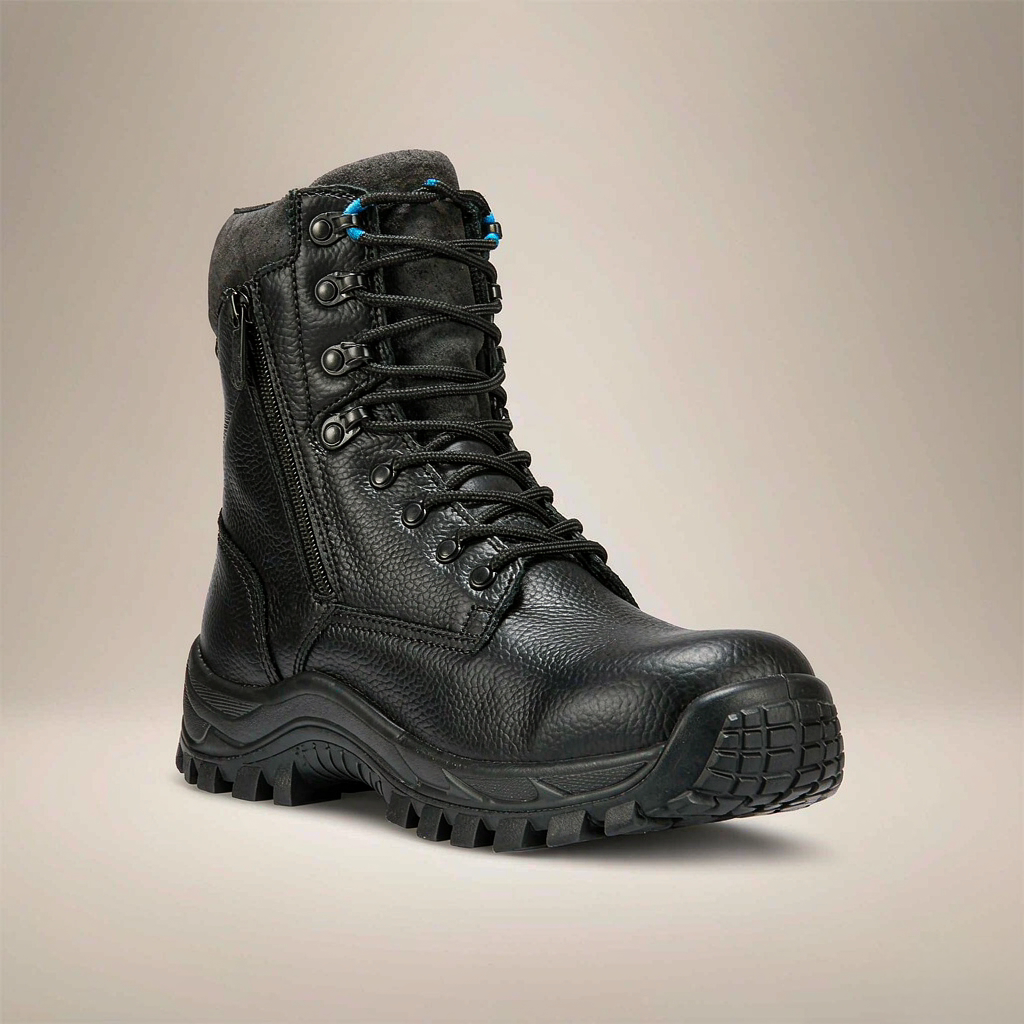
Eyelets, speed hooks, zipper pulls, lace tips, heel tabs, D-rings, buckles—sneaker hardware is small, cheap per unit, and disproportionately responsible for both premium feel and warranty claims. A shoe with beautiful materials and a peeling eyelet reads as broken; a lace tip that snaps in week two undoes a season of brand building. For small brands, hardware is also one of the easiest components to under-spec: catalogs list "metal eyelets" the way they list "PU," and the range hiding behind those words is enormous. This guide covers the hardware families, the finish and material grades that matter, the failure modes each component carries, and the QC checks that catch bad batches before they ship.
The Hardware Families on a Sneaker
Component / Job / Typical materials / Watch-outs
• Eyelets — Lace guidance, reinforced lace holes — Brass, steel, aluminum; painted or plated — Tear-out on thin panels; plating wear
• Speed hooks — Fast lacing on mid/high silhouettes — Steel wire forms — Hook bending open; snag points
• D-rings / loops — Lace routing with movement — Brass, steel — Ring distortion; anchor stitching failure
• Zipper pulls/slide — Entry systems on some silhouettes — Zinc alloy, nylon coil slides — Pull fatigue; slider loosening
• Lace tips (aglets) — Lace integrity, look — Metal, plastic — Tip separation; sharp edges
• Heel tabs pulls — Entry assist — Webbing, leather, metal badge — Anchor stitching; badge edges
• Buckles/strap hardware — Closure systems — Zinc alloy, steel — Spring fatigue; plating on contact points
The positioning point: hardware is where a design signals either consideration or cost-cutting. Consistent finish across all components—every eyelet, hook, and badge in the same plating family—reads as designed. Mixed finishes read as assembled from whatever was in stock. Our hardware details guide covers the design vocabulary; this guide covers what makes it survive wear.
Material and Finish Grades: What the Words Hide
"Metal eyelets" spans a quality range wider than most components on the shoe:
Base materials. Brass and steel dominate quality hardware—strong, durable, and take plating well. Zinc alloy appears in budget hardware: castable into complex shapes at low cost, but more brittle under repeated stress (buckle springs, zipper pulls) and prone to fatigue failure. Aluminum is lightweight and corrosion-friendly but softer—fine for low-stress decorative pieces, risky at load points.
Finishes. Plating (nickel, gunmetal, brass-look, chrome family) and painting (enamel colorways) are the two finish families. Plating generally wears better than paint—painted hardware shows chips at contact points within weeks of real wear. Within plating, thickness and process discipline decide whether the finish survives a season or a year; the visible difference at delivery is zero, which is exactly why substitution happens.
The spec answer is the same as every material on this site: grade and construction, in writing, anchored to a physical reference. "Eyelets: brass, nickel-plated, per approved sample" is checkable at incoming inspection. "Metal eyelets" is an invitation to whatever the hardware supplier has in stock that week.
The Failure Modes, Component by Component
Hardware fails in predictable places:
• Eyelet tear-out. The eyelet holds, the panel doesn't—reinforcement behind the eyelet (backing fabric, reinforced stitch zone) is the real spec. Our stitching quality guidance covers the bar-tack anchoring that keeps eyelet rows alive.
• Plating wear at contact points. Lace friction polishes plating off eyelets and hooks where they touch—thicker plating and harder substrates resist longer. Check: rub a sample eyelet with lace material under pressure; early plating loss predicts visible wear in months.
• Speed hook opening. Wire hooks bent open by aggressive lacing shed laces; wire gauge and temper decide. Check: flex hooks by hand on samples—hooks that deform easily will deform in wear.
• Zinc fatigue at moving parts. Buckle springs and zipper pulls in zinc alloy crack through cycles; steel equivalents survive them. Check: cycle the mechanism repeatedly on samples—wear testing logic applied to the small parts.
• Sharp edges. Stamped and cast hardware with unfinished edges cuts laces (and occasionally hands); deburring and edge finishing are the fix. Check: finger-test every edge on samples—anything that catches skin catches laces.
The QC Routine for Hardware
Hardware checks concentrate at two moments:
Incoming, before assembly:
• Finish consistency across the batch (same plating family, no color drift between lots)
• Edge quality—run fingers over a sample handful; deburring failures announce themselves
• Mechanism cycling on moving parts (buckles, sliders) before they're sewn in
• Weight and feel versus the approved reference—zinc substitutions for brass are often detectable by heft alone
Finished-pair, at inspection:
• Every hardware piece present, aligned, and seated properly
• Anchor stitching intact at every attachment point
• No plating damage from assembly tools (a common finishing-stage defect—scratches from installation)
• Function test per pair with moving parts
These checks cost minutes and live inside the standard inline and final inspection cadence—hardware simply needs to be named on the checklist rather than assumed, because it is precisely the component that "looks fine" at a glance and fails in wear.
Hardware and Brand Systems
Hardware is also a branding surface—logo badges, debossed pulls, logo application methods—and the same finish discipline applies: branding hardware should match functional hardware's plating family unless the design deliberately contrasts them. Custom-badge tooling follows the same ownership rules as any mold: who paid, who owns, written at order time.
Hardware QC with a Manufacturing Partner
Hardware sources through specialist suppliers in the belt—plating shops and hardware makers serving the region's footwear industry—and grade variation between them is real. From the Fujian belt we match hardware specs to suppliers who run the grade routinely, verify plating and mechanism quality on physical samples, and check hardware at incoming and finished-pair inspection against the golden sample. Small components, checked seriously—because buyers photograph peeling eyelets at the same magnification they photograph beautiful stitching.
As always: "MOQs depend on the product and factory. Tell us what you need and we confirm what is realistic before you commit to anything."
FAQ
What hardware materials should a sneaker use? Brass and steel for load-bearing and moving parts (eyelets, hooks, buckles)—strong, durable, and they plate well. Zinc alloy works for low-stress shapes at lower cost but fatigues at moving parts. Aluminum suits lightweight decorative pieces. Specify material plus finish plus physical reference per component; "metal hardware" specifies nothing.
Why does hardware plating wear off some sneakers quickly? Thin plating on soft substrates, or paint instead of plating: lace friction and contact polishing remove the finish in months of real wear. Thicker plating over brass or steel resists far longer. The sample-stage check is friction-rubbing an eyelet under pressure—early finish loss predicts visible wear early in the shoe's life.
What hardware checks matter most at inspection? Incoming: finish consistency across lots, edge deburring (finger test), mechanism cycling on moving parts, and heft-versus-reference to catch zinc-for-brass substitution. Finished pairs: every piece present and seated, anchor stitching intact, no assembly-tool scratches, and a function test on moving parts. Named on the checklist—hardware is the component that glances fine and fails in wear.
Are custom logo badges worth tooling for a small brand? Only with the ownership terms written: badge tooling follows the same rules as sole molds—paid as an itemized line means brand property, marked and releasable. For first releases, stock badge shapes with your print or embroidery achieve the branding at a fraction of the tooling cost, per the logo-application economics.
